Picking a power or manual recliner wheelchair goes beyond budget. You need to match the right technology to your care needs, lifestyle, and health goals.
Are you a caregiver looking at options for an aging parent? Maybe you’re a rehab professional choosing equipment. Or perhaps you’re dealing with mobility challenges yourself. This choice affects comfort, independence, and quality of life.
The wrong pick wastes money. It can cause physical strain on caregivers. Users might not get the pressure relief they need.
This comparison looks at eight key factors. We cover how each type works and what they cost to own. You’ll learn about positioning options and how they perform in real life.
You’ll see which wheelchair fits different users. We show you where each type works best and where it falls short. Expert guidance helps you invest in mobility equipment that serves you well for years.

Which Is Better, A Power Or Manual Recliner Wheelchair?
No single option wins here. The right choice depends on who will use it, where, and for what purpose.
Power recliner wheelchairs use motors. Users control tilt angles and backrest positions with buttons or joysticks. These models fit people who lack upper body strength. They also work for those who need frequent position changes during the day. Users get independent mobility without caregiver help.
Manual recliner wheelchairs use levers or hand cranks that caregivers operate. Someone else adjusts the recline angle and leg rest position. These chairs work well in care facilities, hospitals, or homes with full-time caregivers.
Understanding Power Recliner Wheelchairs: Core Features and Mechanics
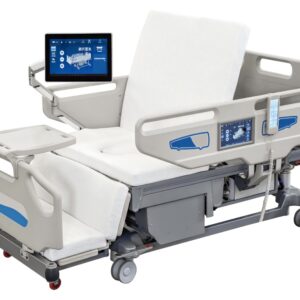
Electric motors drive every adjustment in a power recliner wheelchair. Press a button or move a joystick. The backrest angle changes. Leg rests elevate. Tilt functions activate. No physical effort needed.
What Makes Them Work
The motorized reclining mechanism uses linear actuators or motor drives built into the frame. These parts convert electrical energy into smooth, controlled movement. Battery packs power the system. Most use lithium-ion or sealed lead-acid batteries. You’ll find them mounted beneath the seat or behind the backrest.
A reinforced frame handles the extra weight from motors, batteries, and control systems. Steel or aluminum alloy construction adds 15-25 pounds compared to manual versions. This ensures the structure stays solid during repeated position changes.
Control Systems and Precision
Joystick or controller adjustment gives you fingertip command over multiple functions. Advanced models feature memory settings that store your preferred positions. Some include pressure-mapping sensors. These remind you to shift positions every 30-60 minutes.
The wheelchair seating system works with power mechanisms to maintain proper body alignment during transitions. Actuators move in synced patterns. The backrest reclines while leg rests elevate. This prevents shear forces that damage skin.
Real-World Performance
Hospitals and rehab centers favor power recliners for independent mobility recliner benefits. Patients adjust positions during therapy sessions. Exercises continue without interruption. Home users appreciate overnight comfort. Sleeping angles change without waking caregivers.
Battery life provides 3-7 days of normal use per charge. Quick-release connectors let caregivers swap depleted batteries in under two minutes. No downtime.
Integrated wiring and battery housing designs protect electrical parts from moisture and impact. Medical-grade connectors withstand 10,000+ connection cycles. This reduces maintenance costs over the chair’s 5-7 year lifespan.
Manual Recliner Wheelchairs: How They Work
The manual recliner wheelchair keeps things simple. Caregivers pull levers or push handles to change backrest angles. The system runs on human effort only. No batteries. No charging stations. No electrical parts that can break.

How the Parts Work
A locking hinge system makes manual recline work. Steel or aluminum pins slide through pre-drilled holes in the frame. Each hole gives you a fixed angle. You get 5-7 positions from 90° upright to 175° almost flat.
Release handles sit on both sides of the wheelchair. Easy to reach. Squeeze them together. The locking pins release. The backrest moves. Let go of the handles. Pins snap into the nearest hole. The new position locks in place.
Strong steel or aluminum frames support the system. They don’t add extra weight. Most manual models weigh 35-45 pounds total. That’s 15-20 pounds lighter than power chairs. This lighter weight helps with transport. Caregivers lift them into vehicles easier. Less strain on the back. Storage takes less space in closets or van areas.
Where Manual Models Work Best
Hospitals use manual recliners after surgery. Nurses change patient positions during wound care or physical therapy. The caregiver-operated design removes patient confusion. Users with mental limits don’t need training. Caregivers handle all controls.
Home care settings get easy structure and simple upkeep. You don’t need special repair technicians. Standard tools fix most problems. Replacement parts cost $15-40. Compare that to $150-300 for motorized parts.
Facilities watching their budget pick manual models for smart fleet buys. One unit costs $400-900. Power chairs run $2,500-5,000. Order ten chairs. You save $21,000-41,000 right away.
Power vs Manual Recliner Wheelchairs: 8 Key Differences
Eight factors set power and manual recliner wheelchairs apart. Each affects how you use the chair, what it costs, and how satisfied you’ll be. Here’s what matters most when comparing models.
1. Reclining Method: Motor vs Manual Control
Power chairs use electric motors that respond to button presses. The motor adjusts backrest angles in tiny 1-2° steps. You get endless positioning options between 90° and 180°. No fixed holes. No locked positions. Just smooth movement to the exact angle that feels right.
Manual chairs use lever-operated locks. Caregivers pull handles to release pins. The backrest drops to set positions. You get 5-7 fixed angles. Positions are spaced 10-15° apart. That gap means you might miss your ideal comfort spot.
2. User Effort: Independence vs Help Needed
Power chairs give users control over their own comfort. People with quadriplegia who can move their fingers adjust positions themselves. Stroke survivors with one working hand manage the joystick. MS patients save energy for other activities.
Manual models need zero effort from users but full effort from caregivers. Each adjustment needs a helper nearby. This works in staffed facilities. It fails at home when users are alone for hours.
3. Physical Demands on Caregivers
Power chairs remove caregiver strain. No bending. No lifting. No fighting with stuck levers. Nursing home staff adjust 40-60 chairs per shift without back pain. This cuts worker compensation claims and sick days.
Manual models create repeat stress. Each adjustment takes 8-12 seconds of steady force. Six to eight position changes happen per day. Times 20 patients. Caregiver tiredness becomes a real cost in busy settings.
4. Weight and Transport Reality
Manual models weigh 35-45 pounds. Two people lift them into standard vehicles. They fit through narrow doorways. Storage closets hold four units in the space power chairs need for two.
Power versions hit 60-80 pounds with batteries. The seating system plus motors adds bulk. You need vehicle lifts or ramps. Van transport becomes a must. This matters for therapy appointments and trips with loved ones.
5. Maintenance and Downtime
Manual wheelchairs need grease on pivot points every 90 days. Locking pins wear out after 18-24 months. Replacement cost: $25-40. Any repair technician handles fixes in 15 minutes.
Power chairs need battery swaps every 2-3 years at $180-350 per set. Motors fail after 3,000-5,000 uses. Repairs need special technicians. Parts take 5-10 business days to arrive. The chair sits unused during this time.
6. Total Cost of Ownership
Purchase price tells part of the story. Manual models run $400-900 upfront. Add $50-80 per year for upkeep. Five-year total: $650-1,300.
Power chairs start at $2,500-5,000. Costs per year hit $200-400 for batteries, motor service, and electrical checks. Five-year total: $3,500-7,000.
Tight-budget facilities buy five manual chairs for the price of one power model. Advanced rehab centers invest in power units because patient results justify the cost.
7. User Independence Level
Users who control their own adjustments get better results. Research shows power chair users shift positions 40% more often than manual chair users waiting for help. More position shifts mean better pressure relief and fewer skin problems.
Manual chairs leave users waiting on caregiver schedules. Position changes happen during care rounds—not the moment discomfort hits. This creates a 20-45 minute wait between feeling pressure and getting relief.
8. Best Care Settings
Power recliners work best in:
– Outpatient rehab facilities where therapists work with alert patients
– Private homes with independent users who lack full-time care
– Long-term care units for residents with good thinking skills but poor mobility
– Spinal cord injury programs that focus on self-care skills
Manual models work best in:
– Acute hospital wards with 24/7 nursing coverage
– Memory care units where users can’t operate controls without risk
– Budget-limited community centers needing basic comfort features
– Backup equipment fleets where simple beats advanced
Your wheelchair choice should match staffing levels, user abilities, and care goals—not just catalog specs. Each factor matters more or less based on whether you’re outfitting a 200-bed facility or picking equipment for home use.
Real-World Usage Scenarios: Making the Right Choice
Different care settings need different wheelchair types. Power versus manual? That depends on your staff levels, patient mix, and daily operations.
Hospital Ward Applications
Acute care hospitals keep manual recliner wheelchairs as their main equipment. Emergency departments need chairs that handle 40-60 patient transfers per week. The caregiver-operated recliner works well during rushed code situations. Nurses can reposition patients during wound care. No waiting for battery-powered adjustments.
Post-surgical floors rely on manual models for 3-7 day stays. Power chairs don’t make sense here. Patients leave before they learn the controls. The adjustable backrest wheelchair works for different patient types. Monday brings knee replacement patients. By Friday, the same chair serves appendectomy patients.
Rehabilitation Center Equipment
Outpatient rehab facilities center their therapy programs on power recliner wheelchairs. Spinal cord injury patients learn to change positions on their own during 12-week programs. The independent mobility recliner serves as a training tool. Occupational therapists show patients how to use the joystick. Physical therapists track progress by how often patients adjust their position without help.
Stroke recovery units buy therapeutic positioning technology. Patients need 8-12 angle changes during three-hour therapy blocks. Therapists can’t pause exercises every 20 minutes to adjust chairs by hand. Power systems keep therapy sessions moving. Better patient outcomes justify the $2,800-4,200 cost per chair.
Home Care Decision Factors
Private home buyers face tough choices. Tight budgets point to $600-900 manual models. But wanting independence means looking at $3,500-5,000 power versions.
Homes with full-time caregivers go manual. Caregivers handle all transfers and positioning. The comfort wheelchair features do the job without electrical parts.
Solo users need power options. Part-time care situations too. Working caregivers can’t rush home for position changes. The pressure relief wheelchair works on the user’s schedule—not the caregiver’s.
Wholesale Strategy Implications
Smart medical equipment distributors stock both types. Hospital contracts call for 60-70% manual inventory. Rehabilitation center accounts flip that split—they want 65% power models.
Home medical equipment dealers stock 50/50. Insurance purchases favor manual options. Private-pay customers with bigger budgets pick power technology. Stock both types to capture the full market. You won’t lose sales to competitors.
Conclusion
Three factors help you pick the right wheelchair type. Your physical abilities decide how you control it. Caregiver support affects how you use it each day. Your budget sets limits on what you can buy.
Power recliner wheelchairs give you freedom to change positions without help. You need this if you move often. They stop pressure sores by letting you shift positions regularly. Solo users get more independence. Caregivers face less physical work too.
Manual recliner wheelchairs work well in busy facilities. They suit tight budgets and users with full-time care. Purchase costs stay low. Maintenance needs are minimal. This makes them practical for large equipment groups. Their simple mechanics work well in tough conditions. No electrical setup needed.
Smart buying means matching equipment to real care needs—not fancy features. Look at total cost, not just the price tag. Think about maintenance. Consider training requirements. Factor in long-term satisfaction. The wrong pick wastes money and hurts comfort.
Distributors who stock both types gain an edge. Hospitals want manual models for urgent care. Rehab centers need power options for therapy. Home care buyers choose based on caregiver access and user independence. Stock both types to cover the full market and meet different client needs.