
Advantages: Why They Can Be Worth It
Electric adjustable medical beds bring real health gains and practical benefits. Many patients and healthcare facilities find them worth the cost.
Clinical Health Improvements You Can Measure
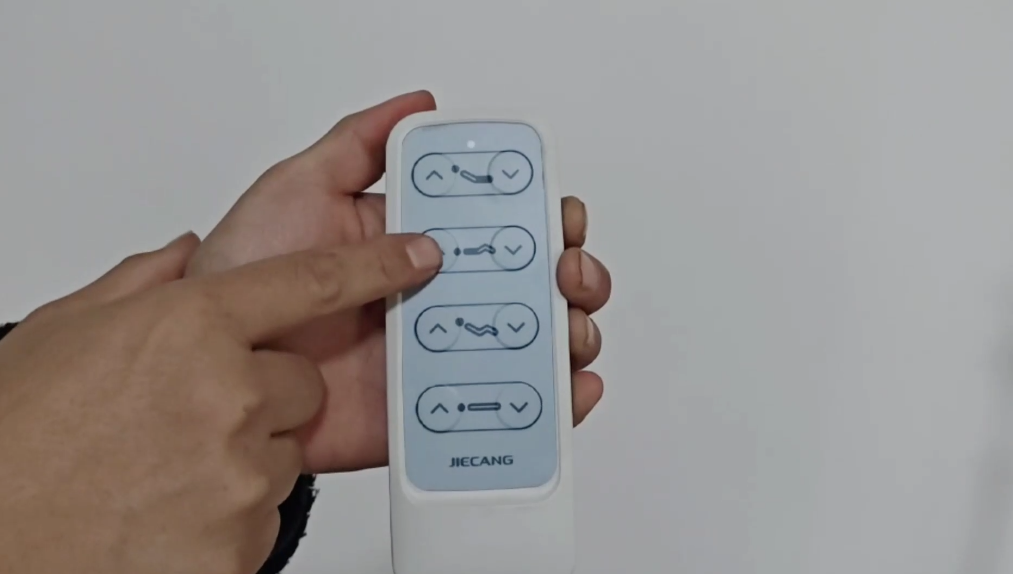
Pain Management and Mobility Support: These beds ease backache and arthritis pain. Customized positioning boosts blood flow through your body. You get button-controlled adjustments. No need to wait for help just to change position. This independence matters for patient dignity and mental health.
Circulation and Swelling Control: Elevation cuts down swollen legs, ankles, and feet overnight. The targeted positioning works better than piling up pillows that shift during sleep. Patients wake up with less discomfort. They move easier to start their day.
Breathing and Sleep Quality: Raised sleeping positions increase oxygen flow. This cuts down snoring and sleep apnea episodes. Allergy and cold sufferers get major relief. Elevated positioning stops nasal congestion from getting worse overnight. The foam mattresses fit your body shape. You get full-body support from head to toe. Standard flat beds can’t match this level of comfort.
Pressure Ulcer Prevention: Smart bed technology has cut pressure ulcer rates in clinical studies. This tackles a major problem from long-term bed rest—a serious issue that can cause infections, longer hospital stays, and higher healthcare costs.
Practical Daily Living Benefits
Beyond Sleep Functionality: The beds make TV watching and reading comfortable. No manual pillow stacking needed. This stops neck and back strain during daytime use. The bed becomes a functional living space, not just a sleeping surface.
Caregiver Efficiency Gains: Adjustable height and positioning cut physical strain on caregivers during patient care. Easy height adjustments help with medical procedures, wound care, and assistance tasks. This advantage prevents caregiver injuries and burnout—key factors in both home care and facility settings.
Hygiene and Safety Features: Multiple side rails make patient hygiene procedures easier. They also keep patients feeling safe and secure. The rails give stability for position changes and transfers. Fall risk drops.
Real-World Application Success
Hospital use shows that advanced features boost patient comfort. They help with medical procedures too. Easy height and position adjustments matter most for patients with limited mobility or those recovering from surgery. They need frequent position changes. Long-term care facilities see growing demand. More patient admissions and the need to handle bed rest problems drive this trend.
Home care settings use these beds more often. Families prefer at-home treatment for older members. The technology keeps aging people independent. It also cuts the physical load on family caregivers who give help each day.
Cost-Benefit Analysis: Practical Investment Considerations
The numbers speak for themselves. A single emergency room visit for a fall-related injury costs $3,000-$30,000 depending on severity. Pressure injury treatment runs between $20,000-$150,000. Electric adjustable medical beds with ultra-low height capability—10 inches or less from the floor—cut these risks significantly. In many cases, the bed investment pays for itself through injury prevention alone.

Medical Cost Avoidance Creates Real Savings
Research shows that proper therapeutic positioning reduces pressure ulcer cases by up to 60% compared to flat beds. This prevention creates massive cost savings. Healthcare facilities avoid expensive wound care treatments. They skip extended hospital stays. They reduce antibiotic therapies. Post-surgical patients using adjustable beds show faster recovery times. They also have fewer post-operative complications. Faster recovery means shorter hospital stays. This leads to lower overall treatment costs.
A single prevented fall can save $3,000-$30,000. One avoided pressure injury saves $20,000-$150,000. For facilities treating high-risk patients, these beds often pay for themselves within 1-3 years through medical cost prevention alone.
Market Growth Reflects Proven Value
The global electric bed market reached USD 4.74 billion in 2024. Analysts project 7.25% annual growth through 2030. The U.S. market dominates with 44.23% of global revenue share in 2024. This growth shows confidence from healthcare providers worldwide. They view electric adjustable medical beds as essential equipment, not optional luxury items.
Hospitals led 2024 market adoption. More surgical procedures and patient admissions drove this demand. These patients needed enhanced safety. General bed segments hold 28.76% of revenue share. Growing hospital admissions power this share. Chronic condition management needs also fuel growth.
North America’s aging population—57.8 million people aged 65+ in 2022—creates sustained demand. More hospitalizations happen each year. More surgical procedures take place. This means consistent need for quality adjustable beds.
Investment Context Within Healthcare Infrastructure
Global healthcare spending reached USD 9.8 trillion (10.3% of global GDP). Government and private sector investments support increased electric bed adoption. This happens across hospitals, long-term care, and home care settings. Healthcare systems now focus on improved patient outcomes. They also prioritize efficient service delivery. Electric adjustable medical beds fit these priorities. They serve as essential equipment rather than optional upgrades.
The home care segment grows fast. Aging populations prefer in-home recovery over institutional care. Families invest in electric beds to support independence. These beds also reduce physical strain on caregivers who provide help each day.
Key Factors for Determining “Worth It”: Who Benefits Most and Why
Not every patient needs an electric adjustable medical bed. The investment makes sense for specific groups facing clear health challenges. Both finances and medical outcomes matter here.
Patients Who Gain Maximum Medical Value
Post-Surgical Recovery Patients get clear advantages. These beds enable quick mobilization. This prevents pneumonia and dangerous blood clots. Button controls let patients adjust positions without straining healing cuts. Recovery times drop. Post-surgery problems decrease. The bed supports healing instead of blocking it.
Respiratory Condition Sufferers feel relief right away. Raising the head improves oxygen levels during sleep. Sleep apnea patients have fewer nighttime episodes. People with chronic allergies or frequent head colds wake up breathing easier. A flat mattress versus raised positioning? That gap means the difference between restful sleep and constant nighttime struggle.
High Fall-Risk Older Patients need ultra-low height most. Doctors rank fall prevention as their top concern for aging patients. Beds that lower to 10 inches or less from the floor create a safety buffer during nighttime bathroom trips. A prevented fall saves far more than money. It preserves independence and prevents the downward spiral that often follows serious injuries in older adults.
Chronic Swelling and Circulation Problems respond well to consistent leg elevation. Patients with swollen legs, ankles, and feet get reliable overnight positioning. Pillow stacking shifts during sleep. Electric beds maintain precise elevation throughout the night. Blood flow improves. Morning stiffness and discomfort decrease.
Arthritis and Joint Pain Patients benefit from custom positioning that targets their specific pain points. Proper positioning improves blood flow to painful joints. Some models include built-in massage features. These provide extra relief beyond simple elevation. Pain medication needs often decrease with positioning that supports natural circulation.
Clinical Consensus and Healthcare System Adoption
The VA healthcare system conducted thorough analysis and chose full electric hospital beds across patient populations. Their research found no medical reasons supporting semi-electric alternatives. This represents clinical consensus—not marketing claims—about which features deliver measurable patient outcomes.
Healthcare systems worldwide now allocate portions of their USD 9.8 trillion annual spending toward electric adjustable bed adoption. Government and private insurers recognize these beds as essential equipment rather than optional comfort items. This systemic support improves access across hospitals, long-term care facilities, and home settings.
The Real ROI Question
The return on investment calculation becomes simple through prevention metrics. One avoided fall-related emergency room visit saves the bed’s cost. One prevented pressure injury covers the investment multiple times over. For patients and families facing these specific risks, are electric adjustable medical beds worth it? The answer depends on matching bed capabilities to documented medical needs—not general comfort preferences.
Making Your Decision: Is It Worth It for YOU?
Look at your patient’s specific medical situation. This tells you if an electric adjustable medical bed brings real value or wastes money. Start with an honest check of current needs, not what might happen later.
Use the Five-Point ROI Framework
-
Identify primary medical condition: Mobility limits, pressure injury risk, chronic pain, or breathing problems
-
Estimate caregiver hours per week: Count actual hands-on positioning and transfer time
-
Compare costs against savings: Prevention value of $3,000-$150,000 per avoided injury
-
Check quality-of-life returns: Better sleep, less pain, kept independence, caregiver health
-
Project use duration: Short-term recovery under 6 weeks versus long-term chronic care
Red Flags That Signal Poor Investment
Skip the purchase for temporary acute conditions lasting under 4-6 weeks. Patients with full mobility and no fall or pressure risk won’t use the medical features enough to justify costs. Budget limits with competing healthcare needs require honest review. Not enough home space creates real barriers that kill the benefits.
Strong Indicators Worth the Investment
Chronic lack of mobility or bedridden status creates instant need. Need for frequent caregiver assists shows clear gains ahead. Existing pressure injuries or high-risk status demand prevention technology. Long surgical recovery beyond 6 weeks builds medical justification. Older patients carry that 30% pressure injury risk. Several caregivers boost injury prevention value across the support network.
Are electric adjustable medical beds worth it? Yes—your specific medical conditions, caregiver situation, and expected use time must match the bed’s core abilities. The investment pays off through stopped injuries, less caregiver strain, and better quality of life for those who need the features.
