
Picking the right electric wheelchair goes beyond just getting around. It’s about getting your independence back, boosting your confidence, and living life your way.
The 2026 market has hundreds of models. Each one comes with different drive systems, batteries, and weight limits. This makes the choice tough.
Do you need something light for travel? Or do you want heavy-duty power for outdoor use? Technical specs like turning radius can be confusing. Medicare coverage rules add another layer of complexity.
This best electric wheelchair buying guide 2026 makes things clear. We break down today’s top models with expert analysis. You get real-world performance comparisons. Plus, we show you a simple way to match features to your lifestyle.
First-time buyer? Upgrading from a manual wheelchair? Either way, you’ll learn which motorized wheelchair features actually matter. We’ll also point out the marketing hype you can ignore. This helps you invest wisely in a chair that fits your needs and budget.

Best Electric Wheelchair Buying Guide 2026
Safety comes first. Check for ISO13485 certification – this medical quality standard shows the chair passed strict safety tests. You need anti-tip systems to prevent backward falls on slopes. Plus, get reliable electromagnetic brakes that stop without skidding.
Battery technology shapes your freedom. Premium lithium-ion cells from LG or Samsung give you 15-25 miles per charge. This range handles most trips without worry about losing power. Cheaper batteries save $200-300 upfront. But they often die within 18 months. Then you pay for replacements.
Pick a wheelchair that fits where you’ll use it most. Compact designs work best indoors. They turn tight. WHILL’s 360° zero-turn models handle narrow hallways and crowded restaurants. Their 20-inch turning radius lets you move through standard doors. No backing up needed.
Outdoor use calls for different features. All-terrain tires grip gravel and grass. Dual motors rated at 500W or higher climb 10-degree slopes. They handle bumpy sidewalks too. Single-motor models can’t climb hills well. They also drain batteries faster on rough ground.
Active people need portability. Folding electric wheelchairs weigh 33-43 pounds. They fit in car trunks. Airlines accept them as carry-ons. Some models fold in 3 seconds with one hand – perfect for solo travel. Grace Medy’s premium line uses lightweight frames. Reinforced steel joints last through years of folding.
Comfort stops fatigue on long trips. Adjustable seats (18-21 inches) work with different table heights. Memory foam padding cuts pressure points. Mesh backrests breathe well during summer. Test these features in person. Online photos miss key details like armrest width and cushion firmness.
Electric wheelchair demand jumped 23% in 2025. Aging Baby Boomers and expanded home healthcare programs drove this growth. The 2026 market brings smarter designs, better batteries, and stricter safety standards.
Commercial buyers face unique challenges. Hospitals need chairs that handle 12+ hour shifts without battery swaps. Nursing homes want models that staff can clean fast between residents. Rental fleets need tough frames. These frames must survive years of heavy use by different users.
Electric Wheelchair Types and Drive Systems Explained
Your wheelchair’s drive wheel position affects everything. Hallway turns, hill climbing, outdoor terrain – it all depends on where the motors sit. Three main types exist. Each one fits different spaces and needs.
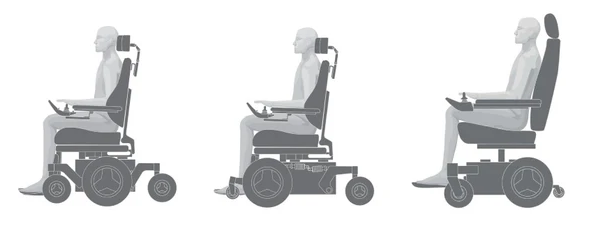
Front-Wheel Drive (FWD): For Outdoor Use
Front-wheel drive puts motors at the front of the chair. This gives you strong obstacle handling. The front wheels climb curbs up to 3 inches high. That’s 40% better than rear-drive models.
Outdoor users get the most benefit. These chairs handle gravel driveways with ease. Thick carpets don’t slow them down. Uneven sidewalks? No problem. The weight sits on the front wheels. This helps you climb slopes up to 12 degrees.
But indoors, there’s a drawback. You need 28-32 inches to make a full turn. Standard doors are 32-36 inches wide. That doesn’t leave much room. Tight restaurant spaces create problems. Narrow store aisles get tricky.
Mid-Wheel Drive (MWD): Made for Indoors
Mid-wheel designs put the drive wheels under your seat. This creates a center pivot point. You can turn in tiny spaces – zero radius turns are possible. Top models spin in their own footprint. This matters in crowded medical buildings.
Hospitals love these designs. One chair works in patient rooms, elevators, and exam spaces. No repositioning needed. Nursing homes save space too. Residents move freely through therapy areas and dining rooms.
Outside use needs care. These chairs have six wheels total – two drive wheels plus four stabilizers. Extra wheels stop tipping on slopes. But they catch on door thresholds over 0.75 inches.
Rear-Wheel Drive (RWD): Built for Speed and Distance
Rear-drive works like car engineering. Motors sit behind the seat. You get steady control at 6-8 mph. Travel long distances? These cover 20+ miles per day. No “wandering” effect like front-drive models create.
Outdoor commuters pick this type. The design runs straight on sidewalks and bike paths. Your hand stays relaxed. No constant joystick adjustments needed. This cuts hand fatigue on long trips.
Turns need 36-40 inches of space. Standard bathrooms require backing up. Small offices too. Grace Medy fixes this with dual-mode controllers. Switch from normal mode to tight-turn mode. Speed drops but turning ability jumps 30%.
Key Selection Factors: Weight Limits and Proper Sizing
Weight limits affect safety and how long the chair lasts. Go over the rated limits? You’ll damage motors, bend frames, and lose your warranty. Most makers set limits at 265-330 pounds (120-150 kg). But these numbers don’t tell the whole story.
Your weight plus equipment counts. Medical oxygen tanks add 10-15 pounds. Bags and personal items add more. Add up the total weight. Then pick a chair rated 50+ pounds above that number. This extra margin stops early wear on motors and batteries.
Heavy-duty models hold 400+ pounds (180+ kg). Bariatric designs use reinforced steel frames. No aluminum here. Wider wheelbases prevent tipping. Dual motors spread the load better than single-motor units. Grace Medy’s heavy-duty line has reinforced steel builds. These work well in busy places like hospitals and nursing homes. The frames hold up through thousands of transfers.
Seat size matters too. Standard 18-inch seats fit users up to 200 pounds. Bigger users need 20-24 inch widths. Measure your hip width while sitting. Add 2 inches for clothes and space to move. Seat depth changes your posture and how pressure spreads. Your thighs need full support. Feet should touch footrests at 90-degree angles.
Parts that adjust make the chair more useful. Armrests that flip back help with side transfers. Footrests that adjust in height fit different leg lengths. Test these features before you buy. Some models need tools for changes. Others adjust without tools in seconds. People who use chairs every day need fast adjustments.
Battery Technology and Range Planning
How you use your chair determines which battery type works best. Lead-acid batteries power most budget models under $2,500. They cost $150-250 to replace every 12-18 months. The tradeoff? These batteries add 15-25 pounds to total chair weight.
Lithium-ion technology makes sense for frequent users. Premium cells from LG or Samsung last 3-5 years before replacement. You pay $400-600 upfront. But check the math: lead-acid needs 3-4 replacements in that same time. Total cost hits $600-1,000. Plus you’re lifting extra weight each time you move your chair.
Battery capacity controls your range. Standard 12Ah lithium packs deliver 12-15 miles per charge. Upgrade to 20Ah? You get 20-25 miles. Most users travel 8-12 miles each day. Calculate your longest typical day. Add 30% safety margin. This keeps you from getting stranded with a dead battery.
Charging cycles show the real long-term costs. Lithium batteries handle 1,000+ charge cycles before losing 20% capacity. Lead-acid units drop after 300-500 cycles. Charge every day? Lithium lasts 3+ years. Lead-acid needs replacement in 10-16 months. Grace Medy’s dual-battery option doubles your range. Swap one pack while the other charges. Perfect for all-day medical facility use.
Cold weather cuts range by 20-30% in both battery types. Keep backup charging options if you live in northern climates. Some models offer fast-charge capability. That’s 80% capacity in 4 hours versus 8-10 hours standard.
Indoor vs Outdoor Performance Features
Where you use your chair matters most. A chair that works great in hospital hallways can struggle on cracked sidewalks. Know these differences before you buy.
Space Constraints Shape Indoor Design
Compact frames solve tight spaces. Premium indoor models measure 23-25 inches wide. They fit through standard 32-inch doorways easily. You can move through bathrooms, offices, and waiting rooms without constant adjusting.
Turning radius determines how well your chair works indoors. Mid-wheel drive systems turn in 20-24 inch circles. Advanced models spin in place. You don’t move forward or backward at all. Outdoor chairs need 32-40 inches to turn. That extra space creates problems in elevators and around furniture.
Motor noise affects your comfort indoors. Brushless motors stay under 55 decibels. That’s quieter than normal talking. Libraries, churches, and medical offices need quiet equipment. Smooth starts prevent jerky movements. You won’t disturb people nearby or knock things off tables.
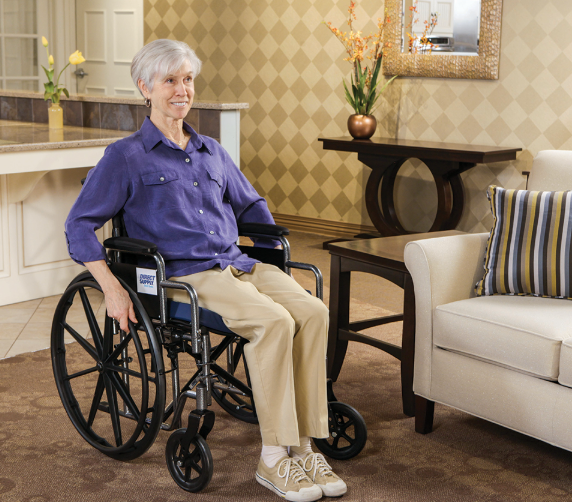
Outdoor Terrain Demands Strong Engineering
Bigger drive wheels make outdoor chairs different. Outdoor models use 12-14 inch wheels. Indoor models use 8-10 inch wheels. Larger wheels roll over bumps better. You clear 2-3 inch curbs, thick grass, and gravel without getting stuck.
High-torque motors at 450W+ per wheel handle slopes and rough ground. Standard indoor motors run at 200-250W. They struggle on slopes above 6 degrees. Outdoor motors keep your speed steady on 10-12 degree hills. They carry your full weight plus bags.
Weather-resistant parts protect your chair. Sealed motor housings block rain and dust. Waterproof joystick controllers handle sudden rain. Grace Medy’s outdoor models use IP54-rated electronics. They’re tested against water splashing from any direction. Your chair lasts longer in tough climates.
Anti-tip systems matter outdoors. Rear stabilizer wheels stop backward rolls on steep slopes. Front caster positioning prevents forward tipping on curbs. These features activate on their own. You don’t need to do anything.

Hybrid models work everywhere. Adjustable suspension lets you switch between smooth indoor mode and rough outdoor mode. Detachable fenders protect your clothes indoors. Remove them for extra clearance outdoors. Hybrid designs cost 15-20% more than specialized chairs. But you only need one chair instead of two.
Travel-Friendly and Portable Models Deep Dive
Portable electric wheelchairs changed how people move outside their homes. These designs focus on three goals: light weight, quick folding, and safe transport. Models in this category weigh 33-50 pounds total. Standard chairs weigh 80-120 pounds. You can lift these into car trunks by yourself.
Folding mechanisms work in different ways. Basic models use manual latches. You pull pins and fold the frame in 4-5 steps. This takes about 45 seconds. Better options have one-button electric folding. Press the button. The chair folds in 3 seconds. Grace Medy’s top portable line uses strong aluminum alloy frames. These frames stay solid through 10,000+ fold cycles. Cheap hinges break after 2,000-3,000 folds.
Airline Travel Requirements
Airlines have strict battery rules. TSA allows lithium batteries under 300Wh in passenger cabins. Most portable models use 24V 10-12Ah packs. That’s 240-288Wh – within limits. Check your battery label before booking flights. Take out the battery during security screening. Gate agents need to see the watt-hour rating.
Size matters for cargo holds. Folded chairs should measure under 30x25x15 inches. This fits standard aircraft storage. Some airlines need 48-hour advance notice for mobility devices. Write down your chair’s specs: weight, folded size, battery type. Keep this info on your phone for quick access.
Real-World Travel Scenarios
Weekend trips need different features than routine commutes. Vacation travelers want compact storage and flight rules met. Regular users want fast setup at destinations. Test folding speed with cold hands or in rain. Can you work latches while wearing gloves? Some systems need good finger control that gets hard during tired moments.
Online buyers can’t test chairs in person. Check return policies with care. Grace Medy offers 30-day trials on portable models. This lets you test real travel cases: loading in your car, moving through airport terminals, storing at home. Photos don’t show how controls feel or if folding systems pinch fingers.
Think about total trip weight. Chair plus battery plus carry bag shouldn’t go over 55 pounds for solo travel. Add luggage? You need help or multiple trips. Top models include padded travel cases. These protect electronics during baggage handling.
Comfort Features: Seating and Ergonomics
Long hours in a wheelchair create pressure points. These lead to skin breakdown and chronic pain. Medical studies show users spend 8-14 hours each day in their chairs. Poor seating causes 60% of discomfort complaints. Getting the setup right from day one prevents these problems.
Pressure-relief cushions protect your skin and tissue. Memory foam molds to your body shape. This spreads weight across a larger area. High-density foam lasts 3-5 years before losing support. Gel cushions distribute pressure better but add 3-5 pounds of weight. Air-filled cushions adjust to different postures. Check air pressure each week though.
Seat depth affects your posture all day. Too short? Your thighs hang without support. This puts extra pressure on your lower back. Too deep? The edge presses behind your knees. Blood flow gets cut off. Measure from your lower back to the back of your knee. Subtract 2 inches. That’s your ideal seat depth. Most chairs offer 16-20 inch depths. Custom depths cost $200-400 extra but solve long-term discomfort.
Backrest angles change how your spine sits. Fixed 90-degree backs force you upright. This tires your core muscles after 2-3 hours. Tilting backrests adjust from 95-120 degrees. You can shift positions to ease pressure. Clinical users benefit most. They move patients around and need different working positions during their shifts.
Breathable fabric stops heat and moisture buildup. Vinyl looks clean but traps sweat. This irritates skin during summer. Mesh fabrics let air flow through. Your back stays dry during long sits. Grace Medy uses germ-fighting mesh on medical models. The material stops bacteria in shared spaces like hospitals and rental centers.
Joystick placement controls hand fatigue. Right-handed users need controls on the right armrest. Left-handed users need left-side mounting. Swing-away controllers work for both hands. Mount height matters too. Your elbow should rest at 90 degrees while gripping the joystick. Wrist strain builds up from reaching up or down all the time. Premium chairs offer tool-free position changes. Budget models lock controllers in one spot.
Armrest width affects transfers and table access. Flip-back arms clear space for side transfers to beds or car seats. Desk-length arms slide under tables. You can pull close for meals without the armrest blocking you. Test both features if you eat out often or work at desks.
Why We Recommend Grace Medy Wheelchair Solutions for B2B Buyers
Grace Medy delivers proven results in electric wheelchair manufacturing. Their factory holds ISO13485 medical device certification. Zero critical audit findings in the past 36 months. You’re placing orders for 50-500 units at a time. This track record protects your investment.
Supply Chain Reliability That Protects Your Business
Manufacturing delays cost distributors thousands in lost sales. Grace Medy keeps 45-day inventory buffers on core parts. Motors, controllers, and battery packs stay stocked all year. Lead times run 25-35 days for standard models. Need rush orders? They ship in 15 days with 20% premium pricing. Competitors quote 60-90 days, then miss deadlines by weeks.
Quality control stops defects before shipping. Each wheelchair goes through 23 inspection points during build. Final testing runs 72-hour cycles at maximum weight. Failure rates stay below 0.8%. Industry average? 2.3-3.1%. Your return costs drop with these numbers.
Certification Support for Global Markets
New markets need specific paperwork. Grace Medy gives you CE marking, FDA registration, and region-specific compliance files at no extra cost. Their technical team handles customs paperwork. They know medical device import rules. One healthcare distributor used Grace Medy’s certification package to expand from the US to 7 countries. No consultant fees required.
OEM Flexibility and White-Label Options
Building your brand needs customization. Grace Medy offers private-label programs starting at 100-unit minimums. Change colors. Add your logo. Modify controller interfaces. They store your custom specs in their system. Reorders ship fast. No need to resubmit design files each time.
Spare parts stay available for 7+ years after model discontinuation. Motors, joysticks, and batteries remain in stock. Your service team keeps customers happy long after purchase. This drives repeat business and referrals. Cheap imports can’t compete with that.
Final Thoughts
Your electric wheelchair choice affects your independence for years. This best electric wheelchair buying guide 2026 covered drive systems, battery tech, weight limits, and portability features. Each factor ties to real-world use.
Buying just a wheelchair creates problems later. You need spare parts, warranty support, and compliance docs. Grace Medy delivers complete systems – not just wheelchairs. Their ISO13485 certification protects your investment. Parts stay available for 7 years. Global compliance files come standard.
B2B buyers face unique pressures. Healthcare facilities need chairs that last through 12-hour shifts. Rental companies want frames that go 5+ years. Distributors need steady supply chains. Fast lead times matter. Grace Medy keeps 45 days of inventory on hand. Their failure rate sits at 0.8%.
Test physical comfort before you buy. Measure seat depth. Check cushion firmness. Verify joystick placement. Online specs miss these details. Request demo units for hands-on testing. Grace Medy offers a 30-day trial program for bulk orders.·
