
Can Disabled People Use Electric Scooters?
Yes, disabled people can use electric scooters. These devices help many people with physical disabilities get around. Match the right scooter type to your needs and abilities.
Electric scooters come in two main types for disabled riders. Medical mobility scooters are built for people with disabilities. They have reinforced frames, adjustable seats, and better stability systems. Standard electric scooters work for people with mild mobility issues who have good balance and upper body strength.
Your physical condition decides which option fits you best. Limited leg strength but stable core? Standard models often work well. Need full support? Wheelchair accessible scooters built for medical use are better.
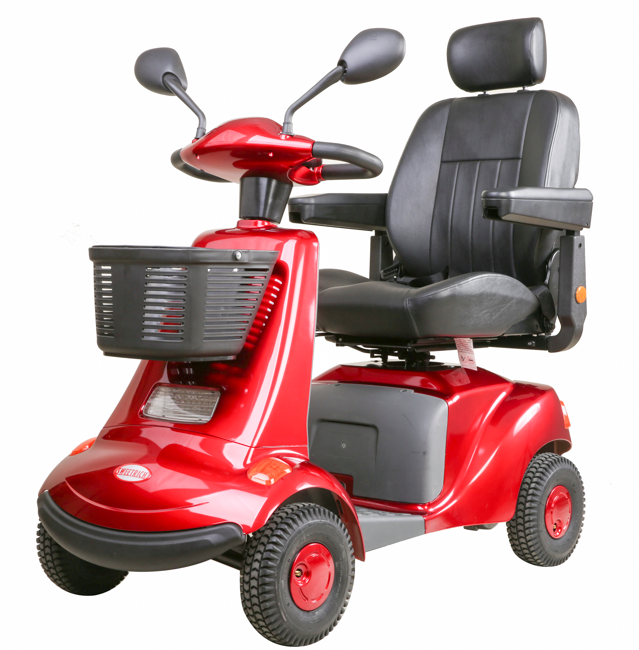
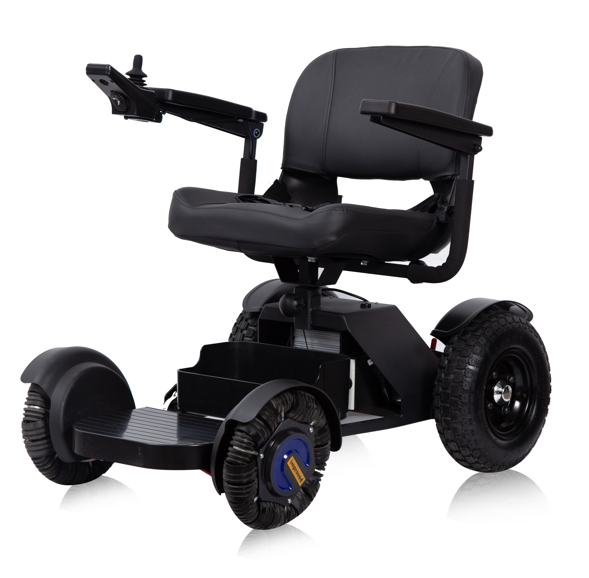
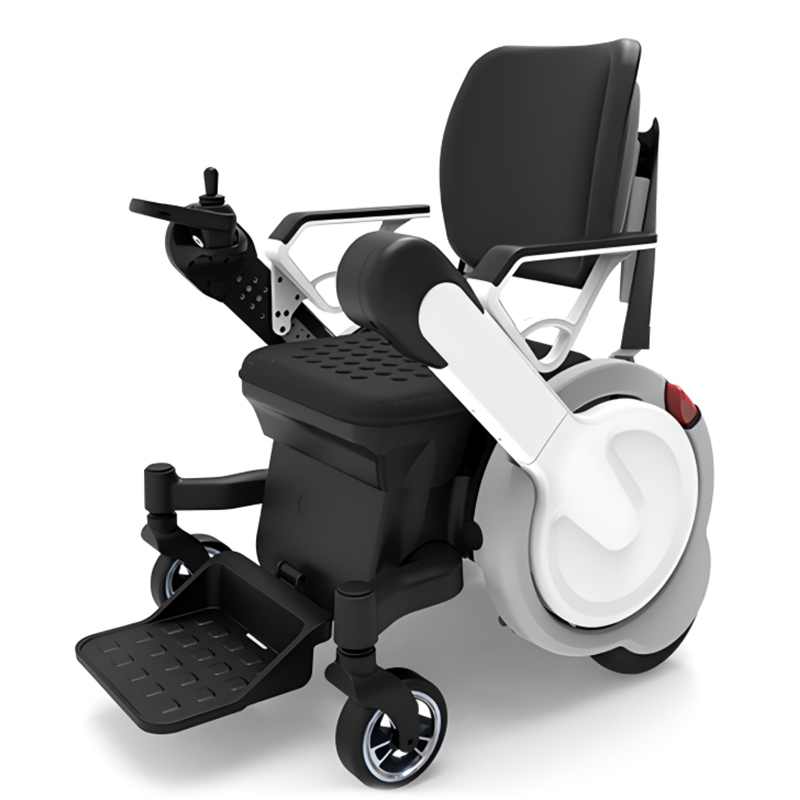
Why Electric Scooters Work Great for Disabled People
Electric scooters offer four key benefits that set them apart from other mobility options.
Get your independence back. Battery-powered motors move you longer distances with zero physical effort. You steer with simple handlebars or a throttle. No arm strength required like manual wheelchairs need. This opens up your world past your front door. Run errands by yourself. Visit friends across town. Explore parks and outdoor spaces on your terms. You direct your own movement instead of relying on others.
Easy to use right away. Turn a key or press a button. You’re moving. That’s all there is to it. You don’t need strong hands or tricky coordination. The seat supports your body in a natural position. Controls stay within easy reach. Most people learn in minutes, not weeks. First-time users feel sure of themselves fast.
Affordable prices make them accessible. Power wheelchairs cost $2,000 to $15,000 or more. Medical mobility scooters run from $600 to $3,000. This price gap makes a real difference. Insurance often doesn’t cover everything you need. These scooters give you solid transportation without emptying your bank account. Lower costs mean you can upgrade easier as your needs shift.
Built for outdoor use. Large air-filled tires roll over grass, gravel, and broken sidewalks. Strong motors climb mild slopes that stop regular wheelchairs. Suspension smooths out rough paths. You’re not stuck on flat indoor floors anymore. Beaches, nature trails, shopping areas, and community events open up again. This flexibility counts because real life doesn’t happen in controlled spaces.
These four perks add up to more than just a mobility device. They help you join in community life for real. Picking your first mobility equipment or upgrading what you have? Electric scooters give you real-world independence that fits how you actually live.
Types of Disabilities That Can Benefit from Electric Scooters
Electric scooters help people with many different physical conditions and mobility issues. Know which disabilities work well with these devices. This helps you pick the right mobility solution.
Mobility Impairments and Chronic Conditions
Arthritis, muscular dystrophy, or cerebral palsy – electric scooters help a lot here. These conditions limit muscle strength and how long you can walk. Your legs might work fine for short trips but tire fast. Electric scooters fix this problem. You save your energy for what matters instead of wearing yourself out just to get there.
Joint pain makes every step hurt. Mobility scooters let you sit down. This takes weight off painful knees, hips, and ankles. You travel without making the swelling worse. Fewer flare-ups mean better quality of life.
Multiple sclerosis, Parkinson’s disease, and spinal cord injuries also work well with scooters. These conditions change your coordination and muscle control from day to day. Some days feel good, others don’t. A scooter gives you reliable transportation no matter how your symptoms shift.
Age-Related Mobility Decline
Older adults face special mobility challenges. Electric scooters tackle these well. Balance problems raise your fall risk while walking. Scooters give you a stable three or four-wheel base. Balance worries disappear.
Stamina drops as you age. You want to shop for groceries, join community events, or walk through the park. But tiredness ends these activities too soon. Electric scooters stretch out your active hours. You join in life instead of staying home to save energy.
Brittle bones come with osteoporosis. A fall could break bones badly. Scooters cut this risk way down. You stay mobile without constant fear of falling and fracturing something.
Temporary Disabilities During Recovery
Post-surgery patients and injury recovery create short-term mobility needs. Hip replacements, knee surgeries, broken legs, or ankle injuries stop normal walking for weeks or months. Crutches and walkers help indoors but struggle outside.
Electric scooters fill this gap. You keep your independence while healing. Doctor visits, physical therapy, and errands stay doable. Recovery works better because you’re not stuck at home.
Many temporary users rent scooters. Why buy gear you’ll need for just three months? Rental programs make these tools affordable for short-term use.
Key Features to Look for in an Electric Scooter for Disabled People
The right electric scooter matches your physical needs and routine. Five core elements separate good scooters from poor choices.
Weight Capacity Determines Safety and Durability
Every electric scooter lists a maximum weight limit. This number matters more than most people realize. Your scooter needs to support at least 50 pounds over your body weight. Why the extra margin? You carry bags, groceries, medical equipment, or personal items. Weather gear adds weight too.
Frame construction tells you about real durability. Steel frames last longer than aluminum but weigh more. Reinforced joints prevent cracking under regular use. Warranty coverage shows manufacturer confidence.
Comfort Features That Matter
Long rides reveal comfort problems fast. Padded seats cushion your body against bumps and vibration. Look for seats at least 16 inches wide with three inches of foam padding. Memory foam works better than basic cushioning.
Adjustable seats adapt to your body size. Height adjustment ranges from 18 to 22 inches off the deck. Width settings from 16 to 20 inches fit different body types. Swivel seats rotate 90 degrees. This makes side transfers much easier for wheelchair users.
Armrests need padding and adjustable height. Fixed armrests cause shoulder strain if they’re too high or low. Flip-up armrests clear space for transfers. Backrest support matters for posture and fatigue prevention. Full backrests with lumbar cushions reduce lower back pain on rides over 30 minutes.
Footrest design affects leg comfort. Wide anti-slip platforms give your feet secure placement. Adjustable angles let you find the position that reduces leg swelling and joint stress.
Battery Range Matches Your Travel Needs
Lithium-ion batteries beat lead-acid types. They weigh less, charge faster, and last through more cycles. Lead-acid costs less upfront but needs replacement sooner. Factor total ownership costs, not just purchase price.
Charging time varies from four to eight hours for full recharge. Dual battery systems let you swap in a fresh battery without waiting. This feature costs more but removes range anxiety.
Safety Systems Built for Protection
Braking power stops you with confidence. Dual braking systems combine electronic and mechanical brakes. Electronic brakes engage as soon as you release the throttle. Mechanical hand brakes add backup stopping power. Anti-lock features prevent wheel lockup on wet surfaces.
Lighting keeps you visible and helps you see. Bright LED headlights light up paths in dim conditions. Rear lights and turn signals alert drivers and pedestrians. Reflective strips on sides boost visibility from all angles.
Stability features include wide wheelbases, low centers of gravity, and suspension systems. Pneumatic tires absorb shocks better than solid rubber. Suspension smooths out cracks, bumps, and rough pavement. Anti-tip wheels prevent backward rollovers on steep inclines.
Horn or alert systems warn others of your approach. This matters in crowded sidewalks and shared pathways. Emergency shut-off switches stop the scooter right away if you lose control.
These features create handicap accessible transportation that works in your real life. Prioritize what matters most for your specific disability and routine.
What to Consider with Your Electric Scooter
Plan before you ride. Three key areas need attention to keep your mobility scooter running well and stay legal.
Keep Up with Maintenance
Battery care comes first. Charge your scooter after each ride, even quick trips. Lithium-ion batteries live longer if you don’t drain them all the way. Store your scooter between 50°F and 77°F. Extreme temps damage battery cells. This can cut your range by 40%.
Tire pressure matters for safety and battery life. Check it each week with a standard gauge. Low tires drain batteries faster. They also hurt steering control. Pneumatic tires need 30 to 35 PSI based on your model. Solid tires crack or get flat spots with wear. Replace them before the tread wears out.
Test your brakes each month. Squeeze hand brakes to feel firm pressure. No sponginess. Electronic brakes should work right away as you let go of the throttle. Grinding sounds? Delayed stops? Get professional help fast. Brake failure is too risky.
Clean your scooter twice a month. Dirt clogs motors. It jams moving parts. Wipe the deck, frame, and controls with a damp cloth. Skip the pressure washer. It pushes water into electrical parts. Add light machine oil to folding joints and wheel axles every three months.
Maintenance costs $100 to $300 per year for medical mobility scooters. Plan for battery replacement every two to four years. Expect to pay $150 to $600 based on the type. Many makers offer service plans. These cover routine work and parts.
Getting Around Access Barriers
Public spaces got better, but problems remain. Older areas have curbs without ramps. This blocks sidewalk access. Check your regular routes ahead of time. Map backup paths around trouble spots. Apps like AccessNow and WheelMap show you good routes and building entrances.
Narrow doors cause trouble getting in. Commercial doors must be 32 inches wide to meet ADA rules. Older buildings and homes often fall short. Measure your scooter width, including armrests. Figure out which places you can enter before you go.
Public transit differs a lot by city. Buses with wheelchair lifts fit most scooters under 30 inches wide and 48 inches long. Subways might block scooters during rush hour. Call transit offices about size and weight limits before you plan trips.
Restaurants, shops, and fun spots bring special issues. Tight aisles, entrance steps, and messy paths make access hard. Call first to ask about access features. Ask for outdoor seats or curbside pickup if getting inside looks tough.
Weather changes how well you can get around outside. Rain makes things slippery. It cuts how far you can see. Snow and ice raise fall risk, even with four wheels. Have indoor backup plans for bad weather. Waterproof covers keep your scooter dry in surprise rain.
Conclusion
Many people face challenges like limited mobility, constant tiredness, or poor balance.Getting the right mobility solution is life-changing for them.It makes a huge difference. It restores independence and empowers people to engage with the world on their own terms.
As a leading wheelchair manufacturer, we engineer our products to deliver precisely that freedom. We understand that true mobility is not one-size-fits-all. That’s why our range focuses on adaptive technology, superior stability, customized seating, and rigorously tested safety mechanisms—all designed to build user confidence with every use.
We provide the durable, needs-specific equipment that your customers rely on. From secure weight capacities to comfort-driven designs, our wheelchairs scooters are built to meet diverse individual requirements, ensuring you can offer a solution that genuinely matches each person’s life.
Partner with us to supply more than just products,and freedom. Let’s discuss how our line can meet the demands of your market and help more people move freely through their communities.
