
How Do Wheelchair Users Take Showers?
For many people who rely on a wheelchair, daily activities require thoughtful planning and supportive equipment. Showering is one of the most important routines for maintaining personal hygiene, dignity, and overall health. However, bathrooms can present challenges such as slippery floors, limited mobility, and difficult transfers.
Fortunately, modern accessibility equipment and well-designed bathrooms make showering much safer and easier for wheelchair users. With the help of assistive devices like wheelchairs, shower chairs, and bathroom grab bars, people with mobility limitations can bathe independently or with minimal assistance.
As a professional wheelchair manufacturer and rehabilitation equipment supplier, we design products that improve daily life and support safe bathroom routines. In this article, we explain how wheelchair users typically take showers, the equipment that helps, and how proper rehabilitation products can make bathing comfortable and secure.
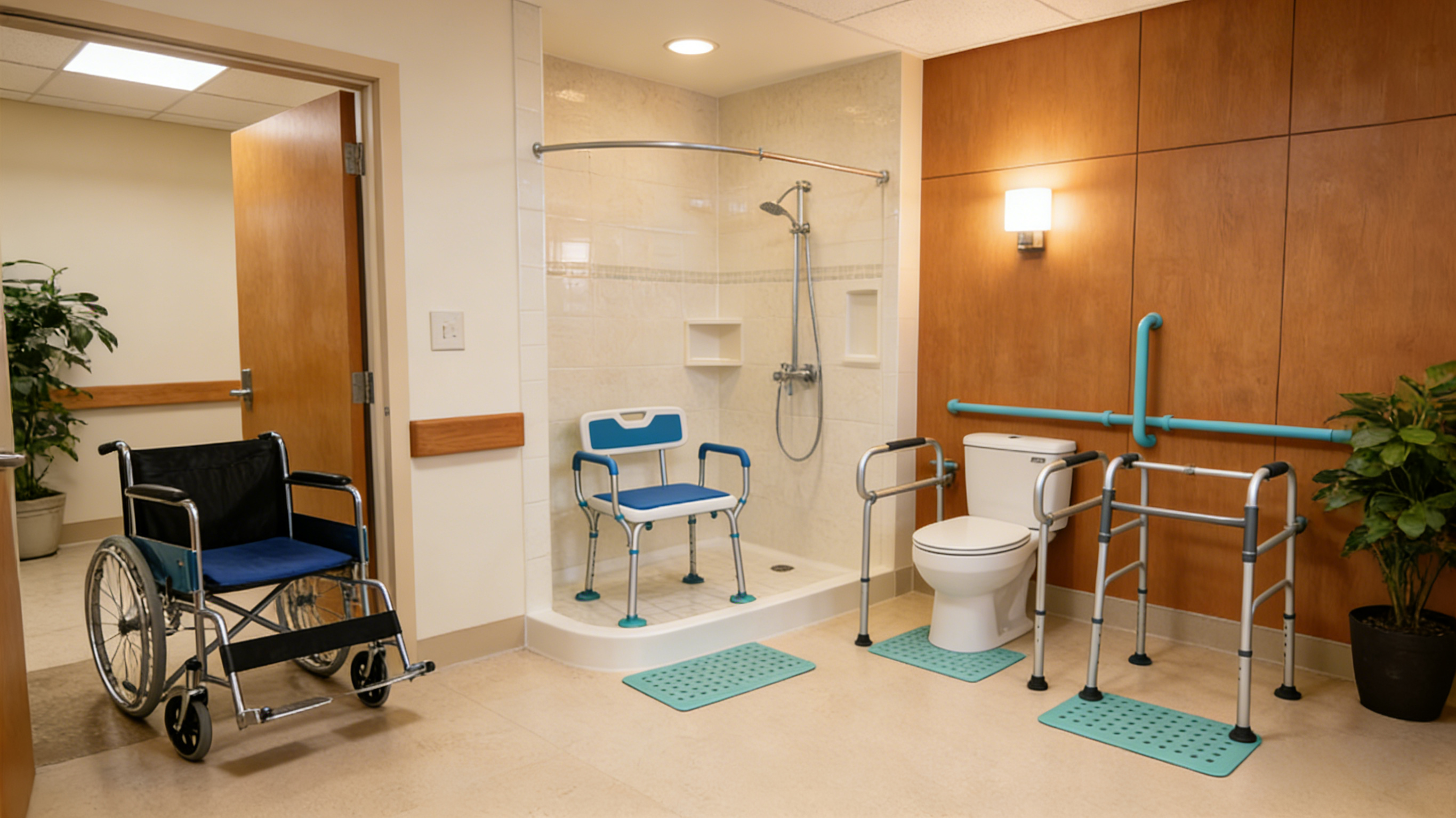
Common Challenges Wheelchair Users Face When Showering
Before discussing solutions, it is helpful to understand the main obstacles wheelchair users encounter in the bathroom.
1. Transfer Difficulties
Moving from a wheelchair to the shower area can be difficult, especially for people with limited upper body strength or balance. Traditional bathtubs often require stepping over a high edge, which increases the risk of falls.
2. Slippery Surfaces
Water, soap, and smooth tiles can create dangerous slippery conditions. This is one of the biggest safety concerns for people with reduced mobility.
3. Limited Stability While Sitting
Some individuals cannot stand while showering. Without proper support, maintaining balance during bathing can be exhausting and unsafe.
4. Limited Reach and Mobility
Users may have difficulty reaching shower controls, soap, or towels while sitting.
Because of these challenges, accessible bathroom equipment is essential.
Three Main Ways Wheelchair Users Take Showers
There is no single method that works for everyone. The best approach depends on a person’s mobility level, the type of bathroom, and available assistive devices.
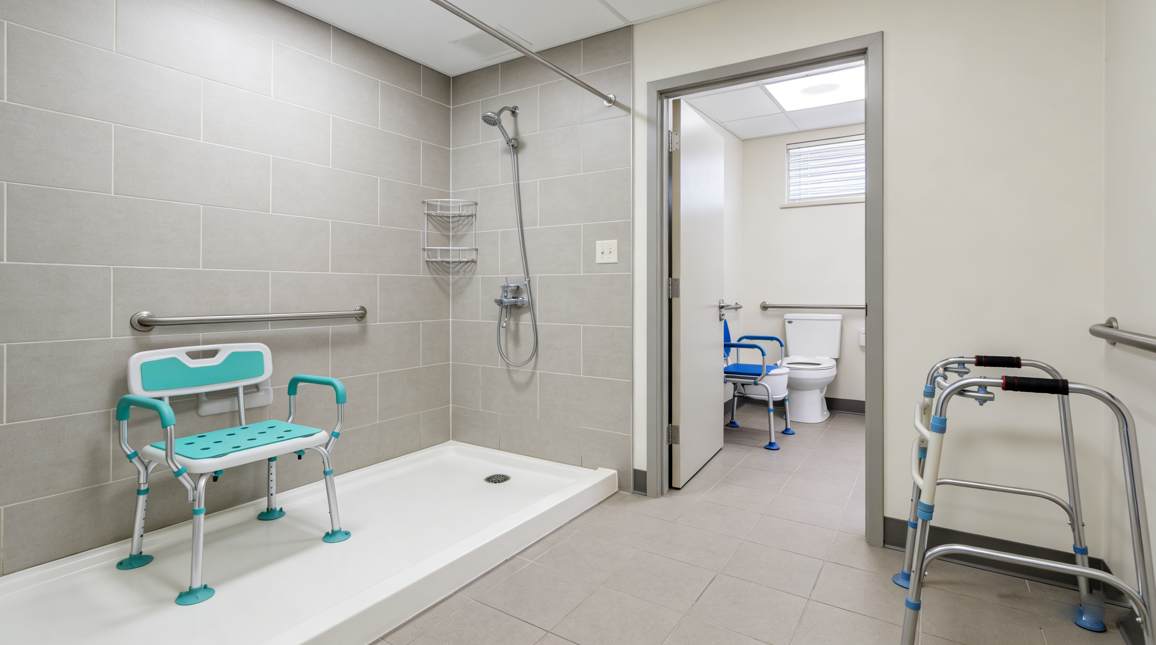
1. Transferring to a Shower Chair
One of the most common methods is transferring from a wheelchair to a shower chair.
A shower chair is a waterproof seat designed specifically for use in wet environments. It allows users to sit safely while bathing.
Typical steps include:
-
Position the wheelchair close to the shower entrance.
-
Lock the wheelchair brakes.
-
Use grab bars for support.
-
Transfer from the wheelchair to the shower chair.
-
Sit comfortably while showering.
Shower chairs are popular because they are stable, simple to use, and suitable for most bathrooms.
As a rehabilitation equipment supplier, we design shower chairs with:
Rust-resistant aluminum frames
Non-slip rubber feet
Adjustable height
Comfortable ergonomic seats
Drain holes for water flow
These features improve safety and comfort during bathing.
2. Using a Rolling Shower Commode Chair
For users who have difficulty transferring, a rolling shower commode chair can be a better solution.
This type of chair functions as both a mobility chair and a shower seat. The user can remain seated while caregivers move them directly into the shower.
Benefits include:
Reduced transfer risk
Easier caregiver assistance
Multi-functional design (toilet and shower use)
Waterproof materials
Many rehabilitation centers and hospitals prefer this equipment because it improves patient safety and efficiency.
A professional wheelchair supplier often manufactures shower commode chairs using corrosion-resistant materials, durable wheels, and secure locking systems to ensure safe movement in wet environments.
3. Roll-In or Wheel-In Showers
In modern accessible bathrooms, roll-in showers allow wheelchair users to enter the shower area directly without transferring.
These showers are designed with:
Barrier-free entrances
Floor-level drainage
Wide space for maneuvering
Wall-mounted grab bars
Foldable shower seats
A waterproof wheelchair or shower wheelchair may be used inside the shower area.
This setup is commonly used in:
hospitals
rehabilitation centers
nursing homes
accessible homes
When designed properly, roll-in showers provide the highest level of independence for wheelchair users.
Essential Bathroom Safety Equipment
Creating a safe shower environment requires more than just a chair. Several assistive devices work together to improve accessibility.
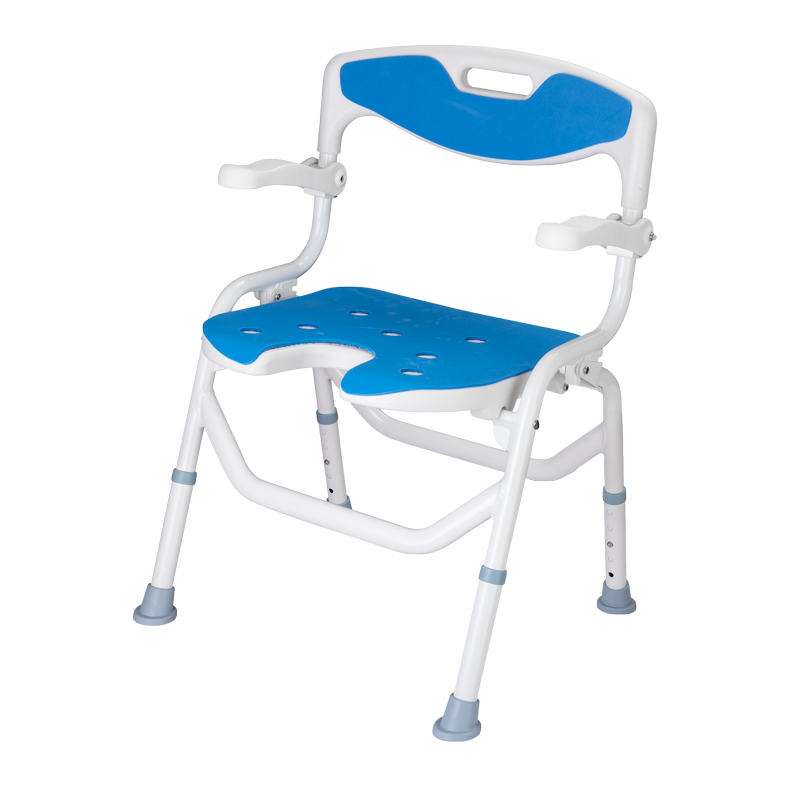
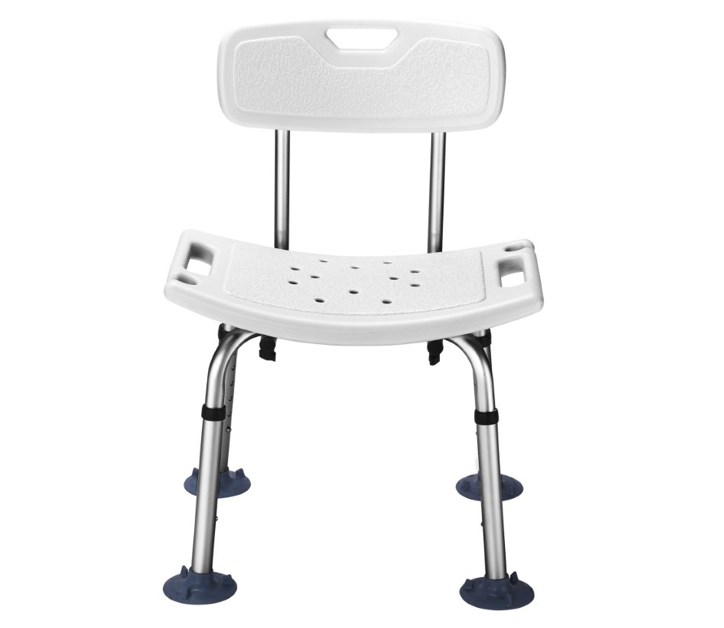
Shower Chairs
A high-quality shower chair provides stability and comfort while bathing. Important features include:
Anti-slip legs
Adjustable height
Lightweight but strong frame
Easy cleaning materials
Many rehabilitation equipment suppliers now produce shower chairs specifically designed for long-term medical use.
Bathroom Grab Bars
Grab bars are one of the most important safety features in accessible bathrooms.
They help users:
maintain balance
transfer between wheelchair and seat
prevent falls
Grab bars are usually installed near:
shower entrances
toilet areas
bathroom walls
Durable stainless steel grab bars with textured surfaces provide better grip, even when wet.
Non-Slip Flooring
Non-slip mats or textured flooring reduce the risk of slipping during showers.
These small changes can greatly improve safety.
Handheld Shower Heads
A handheld shower head allows users to control water direction easily while seated.
This makes washing more comfortable and efficient.
How Wheelchair Design Supports Bathroom Independence
Not all wheelchairs are suitable for bathroom use. High-quality wheelchair design can significantly improve the showering experience.
As an experienced wheelchair manufacturer, we consider several factors when developing mobility equipment.
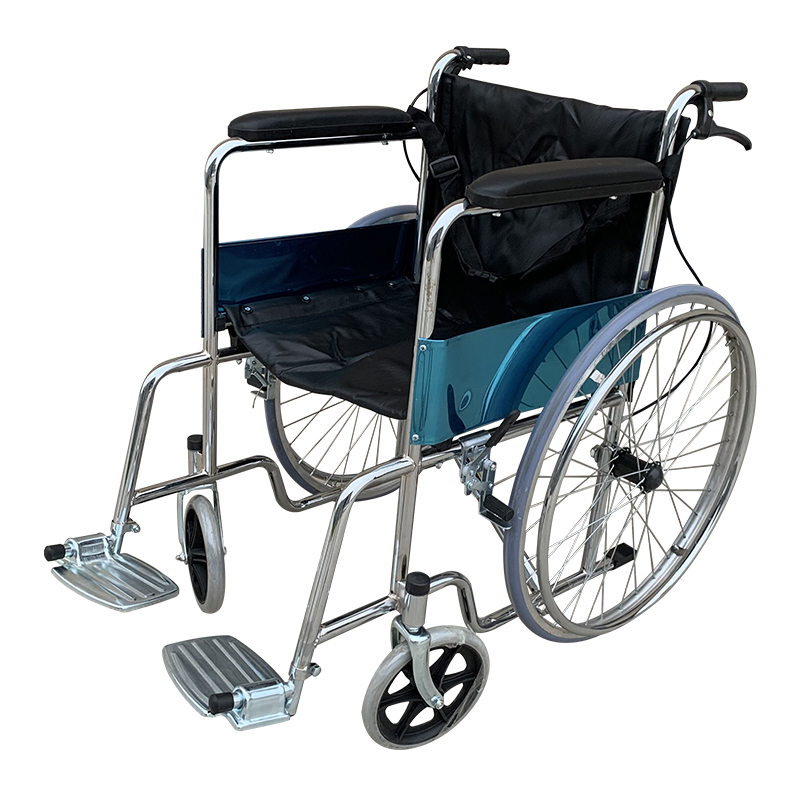
Compact Frames for Small Spaces
Bathrooms are often narrow. Wheelchairs with compact frames and good turning radius make it easier to move in tight areas.
Durable, Water-Resistant Materials
Wheelchairs used near water must resist corrosion. Materials such as aluminum alloy and stainless steel improve durability.
Reliable Braking Systems
Wheelchair brakes are essential during transfers. Secure locking prevents movement when users shift weight.
Comfortable Seating
Users may sit for long periods during bathing routines. Ergonomic cushions improve comfort and posture.
Caregiver Tips for Assisting Wheelchair Users in the Shower
For some individuals, caregiver assistance may still be necessary.
Here are a few safety tips:
Prepare the Bathroom First
Before the user enters the bathroom:
place towels within reach
adjust water temperature
ensure grab bars and chairs are secure
Preparation reduces stress and improves efficiency.
Lock the Wheelchair Brakes
Always lock wheelchair brakes before transferring.
This prevents unexpected movement.
Use Proper Transfer Techniques
Caregivers should assist with transfers carefully to avoid injury. Transfer boards or mechanical lifts may help in some situations.
Maintain Privacy and Dignity
Respect and communication are essential when assisting someone with personal hygiene.
Choosing the Right Accessibility Equipment
When selecting shower equipment for wheelchair users, several factors should be considered.
User Mobility Level
Some users can transfer independently, while others require full support.
Bathroom Space
The layout and available space influence equipment choice.
Weight Capacity
Bariatric users require reinforced chairs and mobility equipment.
Material Quality
Medical-grade materials ensure durability and hygiene.
Working with an experienced wheelchair manufacturer ensures that the equipment meets safety and quality standards.
Creating a Safer Future for Accessible Living
Showering should never be a stressful or dangerous task. With the right equipment and thoughtful bathroom design, wheelchair users can maintain independence and dignity in their daily routines.
Innovations in rehabilitation equipment continue to improve accessibility worldwide. From ergonomic wheelchairs to stable shower chairs and strong grab bars, modern mobility solutions make everyday life easier for millions of people.
As a professional rehabilitation equipment supplier, our mission is to develop safe, reliable, and user-friendly products that support people with limited mobility. By combining advanced manufacturing with practical design, we help healthcare providers and distributors deliver better care.
Accessible bathrooms are not just a convenience—they are an essential part of inclusive living.
If you are a distributor, hospital buyer, or healthcare provider looking for a trusted wheelchair supplier or wheelchair manufacturer, choosing a company with strong production experience and strict quality control ensures that users receive safe and dependable mobility solutions.
With the right equipment, showering can remain a comfortable, safe, and empowering part of daily life for wheelchair users.
