
You’re planning a day trip to the local park. But a question stops you: will your electric wheelchair make it there and back? You’re not alone. How far can an electric wheelchair go on a full charge is one of the most critical questions affecting independence, safety, and freedom for millions of users worldwide.
The answer isn’t as simple as checking a spec sheet. Manufacturers often claim impressive numbers like “20-mile range.” Real-world performance tells a different story. Your mileage depends on battery type, user weight, terrain, and even temperature. These factors can cut advertised ranges by 30-50%. Maybe you’re researching your first purchase. Or frustrated by diminishing wheelchair battery capacity. Or planning extended outings. Understanding these variables helps you avoid getting stranded. It’s the key to making confident decisions that match your lifestyle needs.
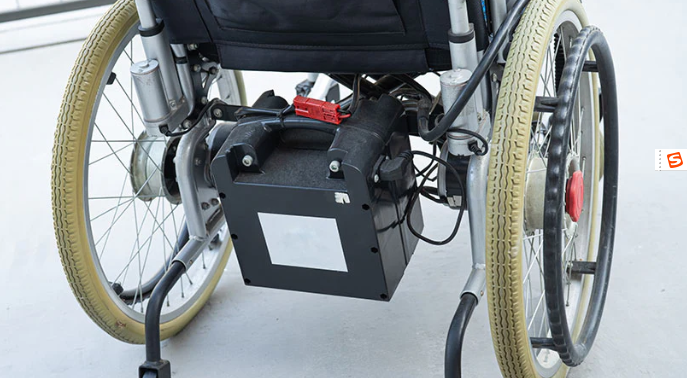
Average Electric Wheelchair Range by Battery Type
Battery technology decides how far you’ll travel before needing a recharge. Most electric wheelchairs use a 24V system—two 12V batteries connected in series. The chemistry inside those batteries changes everything about performance, cost, and how long they last.
Lead-Acid Batteries: The Budget Standard
Lead-acid batteries are the most common choice in entry-level and mid-range wheelchairs. They deliver 65-80% energy efficiency. This means a big chunk of stored power gets lost as heat during use. You can expect a typical range of 8-15 miles per charge under ideal conditions.
These batteries need 6-10 hours of charging time to reach full capacity. They’re heavy—often 40-60 pounds for a pair. This weight impacts power wheelchair mileage because it forces the motor to work harder. Real-world users report closer to 8-12 miles in mixed terrain with a 200-pound user.
These batteries last 2-3 years or 300-500 charge cycles, whichever comes first. Replacement costs run $150-$300 per set. This becomes a regular expense you’ll need to plan for.
AGM vs. Gel Batteries: Lead-Acid Variants with Trade-offs
AGM (Absorbed Glass Mat) and gel batteries are both lead-acid types. Each has its own benefits:
AGM batteries give you about 10% greater range than standard Group 22NF batteries. You get up to 20% more range each day compared to gel batteries. They provide steady power output through the whole discharge cycle. This makes them great for regular routines. But they still don’t match lithium-ion for run times.
Gel batteries trade range for toughness. They offer 20% less range than AGM on typical days. But they recharge more times, so they last longer overall. They work better in extreme temperatures—both hot and cold—where AGM batteries struggle. Pick gel batteries if you live in harsh climates or need maximum wheelchair battery capacity life over distance.
Lithium-Ion Batteries: Premium Performance
Lithium-ion technology is the top choice for electric mobility scooter range. With 95% energy efficiency, these batteries waste very little power as heat. The real-world benefits are clear:
-
Lighter weight (often 60% lighter than lead-acid) reduces motor strain and boosts range by 15-25%
-
Faster charging: Full recharge in 4-6 hours versus 8+ hours for lead-acid
-
Longer run times: 18-30+ miles on a single charge depending on capacity
-
Extended lifespan: Up to 5 years or 5x the cycle life of lead-acid (1,500-2,000 cycles)
The upfront cost runs $600-$1,200 per battery set—triple the price of lead-acid. But look at wheelchair battery replacement frequency and performance gains together. Lithium-ion often gives better long-term value for active users who need reliable wheelchair charging time and maximum freedom.
|
Feature |
Lead-Acid Batteries |
Lithium-Ion Batteries |
|---|---|---|
|
Energy Efficiency |
65-80% |
95% |
|
Range per Charge |
8-15 miles (ideal conditions) |
18-30+ miles (depending on capacity) |
|
Charging Time |
6-10 hours |
4-6 hours |
|
Weight |
40-60 lbs (for a pair) |
60% lighter than lead-acid |
|
Lifespan |
2-3 years or 300-500 cycles |
5 years or 1,500-2,000 cycles |
|
Cost |
$150-$300 per set |
$600-$1,200 per set |
|
Durability in Harsh Conditions |
Poor in extreme temperatures |
Works well in hot and cold temperatures |
|
Maintenance |
Requires more frequent replacement (2-3 years) |
Long-lasting with fewer replacements needed |
|
Impact on Motor Strain |
Heavier weight reduces range and strains motor |
Lighter weight improves range and reduces strain |
|
Typical Use |
Entry-level and mid-range wheelchairs |
High-end or long-distance wheelchairs |
Electric Wheelchair Range by Model Category
Each wheelchair design meets specific mobility needs. Range numbers reflect these differences. A compact folding model can’t hold as much battery as a heavy-duty bariatric wheelchair. Know these categories. This helps you pick a chair that fits your lifestyle and real-world use.
Standard and Top-Tier Models: The 10-20 Mile Sweet Spot
Most electric wheelchairs fall into this range. They balance daily use with fair pricing. The EVOX WC 104 R gives 9-12 miles on lead-acid batteries. Great for local trips and moving between indoors and outdoors. Upgrade to lithium-ion like the Esleh Travel? You get 15 miles. That covers full-day outings without worrying about battery life.
Mid-tier models with lithium-ion go further. The eFlexx hits 7-9 miles despite its small size. The EVOX WC 107 reaches 9 miles. These numbers fit a 180-200 pound user on flat ground. Hills or rough pavement cut power wheelchair mileage by 20-30%.
Lightweight and Folding Models: Portability Comes at a Cost
Carbon fiber and ultra-portable wheelchairs focus on light weight, not big batteries. The Pride Jazzy Carbon weighs 43.6 pounds. It claims 12-15 miles. Real users report 7-10 miles in mixed conditions. Still good, since the light weight makes car loading easy.
This pattern shows up across the category. The Richall CF-EW01 and W3902 claim 12-15 mile ranges. Users get closer to 7-10 miles. The Golden Technologies Stride rates its lithium-ion system at 9.3 miles. This matches real use better than pumped-up claims.
These compact models work well for split-time users. Drive to appointments. Use the wheelchair for 3-5 mile stretches. This routine fits well. Planning a full day at a theme park? You’ll need a mid-day charge.
Heavy-Duty and High-Capacity Champions: Maximum Range for Maximum Users
Bariatric and heavy-duty wheelchairs use the biggest batteries. They support 450-600 pound weight capacities. The Merits Atlantis tops this category at 32-mile range. All-day use without charging worries. This wheelchair battery capacity comes from dual lithium-ion packs. They add weight but kill range anxiety.
The Pride Jazzy EVO 614HD offers 21.5 miles while holding 450 pounds. These models cost $3,000-$6,000. They give freedom to users who need strong build and long battery life. Larger motors and frames use more power per mile. Bigger batteries make up for it.
Mid-Wheel Drive Performance Models: Maneuverability Meets Range
Mid-wheel drive gives great indoor handling. Turning circles as tight as 20 inches. Most models hit 9-15 miles per charge. High-end options in the Grace Medy Foldable Electric wheelchair reach 9-15 miles with premium lithium-ion batteries.
The compact wheelbase limits battery space. Range stays below heavy-duty models. But tight-space navigation in homes, offices, and stores? This trade-off works. Plan your electric mobility scooter range around 10-12 miles for daily use. These chairs handle city settings well.
Key Factors That Reduce Your Wheelchair’s Range
Battery specs tell half the story. Real-world conditions eat into your advertised range fast. A wheelchair rated for 15 miles might deliver just 9-10 miles on hills, in cold weather, or with a heavier user. These drain factors help you plan trips and choose a model that meets your needs.
User Weight and Positioning
Every pound matters for wheelchair battery capacity drain. Manufacturers test ranges using a standard 165-pound dummy. Add 50 pounds to that baseline? You’ll lose 15-20% of advertised range right away. The motor works harder. It pulls more current from the battery. Physics doesn’t negotiate.
Weight distribution affects performance more than total weight. Research shows greater loading on drive wheels reduces propulsion effort (R² values of 0.45-0.57 in validated models). This matters more than fitness factors. Shifting your rear axle forward increases the rear wheel unloading/loading ratio to 0.810 (σ=0.027). Better traction means less wasted energy spinning wheels.
Your seating position creates real impacts too. Moving just ±1.5 cm from the backrest base or top changes performance outcomes by 6.1-10.6%. Reclined backrests cut forward tipping risk the most. But they also shift weight distribution. This changes how your motor converts battery power into forward motion. Heavier users cause frame flex on bumps. This flex absorbs energy that could extend your power wheelchair mileage.
Terrain and Environmental Obstacles
Flat, smooth pavement gives you maximum range. Anything else costs you miles. Average wheelchair use covers 3,374 meters (2.1 miles) at 0.77 m/s with 68.65 minutes of drive time and 146 stops. These numbers drop fast on tough surfaces.
Hospital transport wheelchairs average just 186 meters in 6 minutes on rough tracks. Compare that to motivation models hitting 380 meters in the same time. That’s a 104% performance gap from design differences in handling uneven ground. Uneven surfaces top the list of self-reported accident causes. They also slash your practical range.
Physical barriers force you to stop and restart. Each stop wastes energy. Your motor pulls maximum current during acceleration. Coast through a parking lot without stops? You’ll travel 30-40% farther than crowded sidewalks with pedestrians.
Speed and Obstacle Navigation
Wheelchair speed impacts energy use and safety margins. Traveling at ≥5 km/h (3.1 mph) lets you roll over higher bumps compared to ≤3 km/h (1.9 mph). But speed also increases tipping risk—both forward/backward and over obstacles. Higher speeds mean higher current draw. You’ll drain batteries 25-35% faster at top speed versus cruising at 60% max.
Bump height creates key thresholds. Wheelchairs roll over bumps <1.5 cm (0.6 inches) with ease. Above that height? Tipping risk jumps. Each inch of caster diameter increase allows 2-3 mm higher bump rollover capability. Forcing your wheelchair over curb cuts and rough transitions drains battery power fast. The motor surges to overcome resistance. Your electric mobility scooter range shrinks with every obstacle.
Mechanical Efficiency Losses
Poor wheelchair maintenance kills range. Average 40% tire inflation increases rolling resistance compared to proper inflation. You’re forcing the motor to work harder every rotation. That’s thousands of extra watts wasted per mile.
Wheel alignment issues make the problem worse. Average 1.53° toe/slop plus 3° camber increases rolling resistance. Rear wheel friction changes impact outcomes by 10.6%—that’s the difference between making it home or calling for help. Caster friction affects performance by 1.5%. Small percentages add up fast over a full day’s use.
Coast-down friction tests show big differences based on maintenance. Poorly maintained chairs show 0.28±0.03 m/s² deceleration across terrains. Well-tuned wheelchairs achieve 0.11±0.03 m/s². That 154% difference affects wheelchair charging time frequency and how far you travel between charges.
Temperature extremes stress batteries too. Cold weather below 32°F can cut lithium-ion range by 20-30%. Lead-acid batteries lose 35-50% capacity in freezing conditions. Summer heat above 95°F degrades battery chemistry. This speeds up the need for wheelchair battery replacement and cuts range by 10-15%.
Proven Ways to Maximize Your Wheelchair Battery Life
Battery degradation happens to everyone. You control how fast it happens, though. Simple habits make the difference. Replace batteries every 18 months, or stretch them to 4-5 years. These practices protect your investment and keep you moving on your own.
Charge Smart, Not Just Often
Charge every day—it matters more than you think. Plug in after each use, even short trips. Lead-acid batteries hate sitting with a partial charge. The sulfation process starts right away. It forms crystals that cut capacity for good. Lithium-ion batteries handle partial charges better. Daily top-ups prevent deep discharge cycles that speed up wear.
Planning to store your wheelchair? Maintain 35-50% charge during storage. Use a trickle charger—also called a maintainer—to fight self-discharge. Batteries lose 3-5% charge per month sitting idle. Let them drop to zero? You’ll cause damage you can’t fix. A $30 trickle charger protects a $600 battery investment.
Drive Conditions That Preserve Power
Limit use to under 10 miles on flat, hard surfaces each day. This one practice cuts mechanical and electrical strain way down. Smooth pavement demands less from motors and batteries. Grass, gravel, or uneven sidewalks work them harder.
Hills destroy batteries faster than anything else. A 15% slope cuts your range by more than 50%. Climbing forces motors to draw max current. This creates heat that breaks down battery chemistry. Plan routes that avoid steep inclines.
Keep your speed moderate to extend both range and battery life. Top speed operation means more acceleration and braking cycles. Each hard stop wastes energy as heat. High speeds shake battery internals. Connections loosen. Cell structure takes damage over time.
Weight Management and Environmental Control
Control total system weight to reduce power demands. Every 50 pounds of extra user weight or cargo increases current draw by 15-20%. Higher voltage systems (36V vs. 24V) handle heavy loads better. They don’t overwork batteries.
Store wheelchairs in climate-controlled spaces at 65-75°F year-round. Warmer climates can extend battery life—but only with moderate temperatures. Extreme heat above 95°F causes electrolyte loss in lead-acid batteries. It speeds up chemical breakdown in lithium-ion cells. Cold below 32°F slows chemical reactions. This cuts capacity for a while. Repeated freeze-thaw cycles cause swelling and shrinking. Internal components crack.
Maintenance Checks That Matter
Check tire inflation often. Firm tires roll without drag. Under-inflated tires increase rolling resistance by 40%. Motors work harder. Batteries drain faster. Check pressure each week.
Monitor these replacement warning signs:
-
Range drops 30% or more from original performance
-
Sluggish acceleration even on flat ground
-
Longer wheelchair charging time than manufacturer specs
-
Dimming lights during operation
-
After 300-500 charge cycles (lead-acid) or 1,500+ cycles (lithium-ion)
Catch degradation before you get stranded. Budget for wheelchair battery replacement before complete failure. Lead-acid sets run $150-$300. Lithium-ion costs $600-$1,200 but lasts 3-4x longer. The math favors lithium for users logging 5+ miles each day.
Conclusion
How far can an electric wheelchair go on a full charge? Knowing this helps you make better choices. Whether you’re buying your first mobility device or getting more from your current one, this knowledge matters. Most wheelchairs cover 8-20 miles per charge in real-world use. Your actual range depends on several factors: battery type, terrain, user weight, and how well you maintain it.
Here’s good news: You’re not stuck with wheelchair manufacturer estimates. Lithium batteries outlast gel batteries. Keep your tire pressure right. Avoid hard acceleration. Store your wheelchair where temperatures stay stable. These steps extend your wheelchair battery capacity well beyond baseline specs.
Before you buy, think about your routine. Do you run quick errands? Or do you plan day-long trips? Match the wheelchair’s proven mileage to how you live. Not to what you hope for. Getting shorter range than expected? Check our optimization list. Small changes often bring big improvements.
Looking for your perfect match? Browse our range-tested electric wheelchairs. Each one comes with verified real-world mileage data. Or contact our mobility specialists. (E:[email protected] WhatsApp:+86 19333723988)They’ll give you custom advice based on what you need.
