
Bed Type Cost Ranges
Medical beds come in a wide price range. The price depends on how they work, how much weight they hold, and what clinical features they offer. Understanding each category helps you match your budget to your care needs. You won’t pay for features you don’t need.
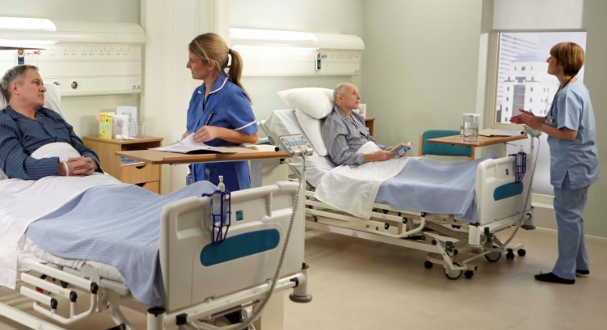
Manual Hospital Beds: The Budget-Conscious Choice
Manual hospital beds are the most affordable option for professional patient care equipment. These beds cost between $500 and $1,000. Entry-level models average around $700. They’re affordable because they’re simple. You adjust bed positions with hand cranks, not electric motors.
This category works well for home caregivers with stable patients. These patients don’t need frequent position changes during the day. Long-term care facilities often buy manual beds in bulk. They use them for residents who need minimal mobility help. Quality manual beds still provide essential head and foot elevation. This helps with comfort and circulation.
Semi-Electric Hospital Beds: Balanced Functionality
Semi-electric models cost $1,000 to $2,500. These beds offer motorized head and foot adjustments. Height control stays manual. You get a practical mix of convenience and cost. Caregivers like the reduced physical strain from electric controls. The budget stays manageable too.
Partial motorization improves caregiving efficiency compared to manual beds. Patients can control their comfort on their own. They don’t need caregiver help for every adjustment. This independence alone justifies the higher price for many families managing chronic conditions at home.
Full Electric Hospital Beds: Premium Comfort and Care
Full electric hospital beds cost from $2,500 to over $10,000. This reflects their complete motorized functionality. Standard models in the $2,500 to $5,000 range give you full electric control. Head, foot, and bed height all adjust through simple remote controls.
Premium clinical-grade beds start at $5,000 and climb past $10,000. These include advanced safety systems and pressure care technology. High-end models feature programmable positioning memories. You get massage functions and smart monitoring systems. These track patient movement patterns. Hospitals and specialized care facilities buy these units for critical care. Patient safety monitoring and pressure ulcer prevention are top concerns.
Upper-tier electric beds include fall prevention alarms. They offer automatic weight distribution adjustments. They work with facility management software systems. These features explain the higher price compared to basic electric models.

Overall Market Pricing
The medical bed market covers a wide price range. Budget options start at just $500. Specialized clinical units reach $18,000 or higher. This eleven-thousand-dollar gap makes sense. It shows real differences in build quality, features, and where you’ll use the bed.
Most buyers land somewhere in the middle. Home care purchasers spend between $500 and $5,000. This range includes basic manual frames and full-electric models with standard safety features. Most home medical beds cost $2,000 to $4,000. This price point gives you electric controls without clinical extras.
Hospitals and nursing facilities work with different budgets. They invest $5,000 to $10,000 per bed. Their equipment takes constant use from multiple patients. They need advanced safety monitoring. They need materials that resist infection. They need systems that connect to electronic medical records. The higher price pays off. These beds last seven to ten years with less maintenance.
Refurbished beds offer another option worth checking. Quality reconditioned units cost $2,000 to $6,000. You save 30% to 50% compared to new beds. Good medical equipment dealers inspect these units. They repair them. They certify them to meet safety standards. You give up the newest features. But you get proven reliability. Many home users accept this trade for temporary needs or long-term care on a budget.
Prices vary based on what the bed can do. A $3,000 full-electric bed gives you basic positioning controls. Add fall prevention sensors, pressure monitoring, and memory settings. The price jumps to $7,000. The extra cost buys real improvements in patient safety and caregiver ease. Smart technology alone adds $1,500 to $3,000 to the base price.
Know these pricing tiers. You’ll target the right segment before you compare specific models.
Add-On Costs
The base price of your medical bed is just the starting point. Most setups need several extra parts to work well and keep patients safe. These extras can push your total cost much higher than the advertised bed frame price. You need to understand these additions before you make your budget.
Medical Mattresses: Essential Comfort Investment
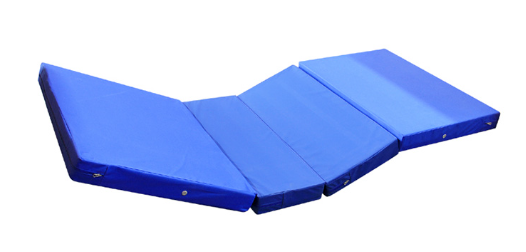
Medical mattresses cost $300 to $2,000 based on their therapeutic features. Basic foam mattresses start around $300 to $500. These work fine for short-term recovery. They also suit patients with few pressure concerns. Mid-range innerspring and multi-layer foam mattresses run $600 to $1,200. They give better weight distribution. Plus, they last longer with regular use.
Premium pressure-relief mattresses sit at the top of the range. Gel-infused memory foam systems cost $1,200 to $1,800. Advanced alternating pressure mattresses reach $2,000. These prevent bedsores by shifting pressure points. This matters a lot for immobile patients who spend most of their day in bed. The mattress quality affects patient comfort and skin health. Don’t cheap out here if medical needs demand better support.
Safety Rails: Fall Prevention Essentials
Medical bed rails cost from $50 to $1,000 based on design. Basic half-rails cost $50 to $150 per pair. These prevent rolling but allow easier bed exits. Full-length rails run $200 to $400. They give maximum fall protection for confused or high-risk patients.
Specialized assist rails cost more. Rotating rails that swing down cost $300 to $600. These help patients pull themselves up. They also prevent nighttime falls. Premium padded rails with gaps for IV lines and medical equipment reach $800 to $1,000. Hospitals prefer these for safety rules and patient comfort during long stays.
Controls and Bedside Accessories
Electronic controls and bedside accessories range from $100 to $2,000. Replacement or upgraded hand controls cost $100 to $300. Pendant controls with larger buttons for arthritis patients run $150 to $250. Voice-activated smart controls push toward $400.
Overbed tables add $150 to $500 based on adjustability and surface size. IV poles cost $75 to $200. Trapeze bars for patient self-positioning run $100 to $300. These seem like small purchases on their own. Together they add $500 to $1,000 to your setup costs. Budget for at least basic accessories from day one.
Rental Cost Considerations
Renting a medical bed cuts your upfront expenses compared to buying. Rental fees range from $150 to $600 per month based on bed type and rental length. This option works well for temporary care needs. You can also test a bed before you buy.
Cost-Saving Alternatives
Medical bed expenses don’t lock you into premium pricing. You can cut costs by thousands of dollars. Patient safety and basic functions stay intact. These approaches work for home care or facility setups.
Choose Manual Over Electric When Usage Allows
Manual beds start around $500. Semi-electric models cost $2,500 to $6,000. This $2,000+ difference comes from removing motor systems and electronic controls. Your upfront cost drops fast. Maintenance expenses disappear too. No electrical components means nothing electronic can break.
Manual beds make sense for patients who don’t need frequent position changes. They work well for overnight use or daytime rest periods. Caregivers handle adjustments through simple hand cranks. Yes, this requires physical effort. But for stable patients in home settings, the massive savings justify manual operation.
Select Entry-Level Electric Models
Standard electric beds range from $700 to $2,500. These provide basic motorized positioning without clinical-grade features. You get height adjustment and head-foot controls. You skip the advanced pressure monitoring, programmable positions, and vital sign systems that push premium beds past $5,000.
This middle ground works for most home care situations. Patients gain electric convenience. Caregivers reduce physical strain. Your budget stays reasonable. The $2,500 to $3,000 you save buys years of quality mattresses or other necessary medical supplies.
Stage Your Accessory Purchases
Accessories let you control spending through smart timing. Mattresses cost $300 to $2,000. Rails run $50 to $1,000. Controls and accessories add $100 to $2,000. These ranges show huge price gaps between basic and premium options.
Start with essential basics. A quality foam mattress in the $300 to $500 range gives enough support for many patients. Standard half-rails at $50 to $100 prevent rolling without premium padding. Basic pendant controls work fine at $100 to $150. You’ve built a functional bed system while saving $1,000 to $3,000 compared to premium accessories.
Add upgrades later as specific needs show up. This staged approach spreads costs over time. You invest in advanced pressure-relief mattresses or specialized rails when patient conditions require them.
Leverage Bulk Purchasing Power
Healthcare facilities managing multiple locations should bundle bed purchases together. Volume agreements with major medical bed manufacturers unlock big discounts. Single-unit buyers can’t access these prices. The hospital bed market reached $1.49 billion in 2023 and projects to $1.94 billion by 2030. Manufacturers compete hard for large contracts in this growing market.
Facilities purchasing 20, 50, or 100+ beds at once negotiate prices 15% to 30% below standard rates. This bulk pricing applies to replacement schedules too. Plan multi-year equipment refreshes as bundled purchases. This maximizes leverage. Even smaller facilities can join group purchasing organizations. This gives access to volume pricing that major health systems normally get.
