
How to lower bed rails on Drive medical bed?
Lowering bed rails looks easy—pull a lever or push a button, right? But here’s the catch: one wrong move creates dangerous gaps. Patients can get trapped in these spaces. Even worse, the rail might not lock right when you raise it back up. Drive Medical bed rails need specific steps before you touch that release. Skip even one safety check, and you put your patient at real risk.
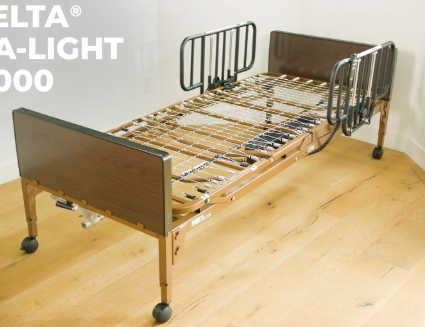
Safety Steps Before Lowering Bed Rails
Safety matters most with Drive Medical bed rails.
Check for Entrapment Risks
Inspect the medical bed rail system often. All parts need to stay secure. Hardware and attachment points must work right. Loose parts create gaps. Patients can get trapped in these spaces. Watch the areas between mattress and rails. These spots are dangerous.
Use a mattress that fits your Drive Medical bed frame. Gaps between mattress edges and rails are risky. Body parts can slip through. Raised foam edge mattresses work well. They fill gaps and add protection.
Set Up the Space Right
Drop the bed to its lowest height. Lock the wheels before lowering rails. This cuts down injury risk if someone rolls or falls. Only raise the bed during care tasks or transfers.
Clear everything around the bed rails. Move objects, furniture, and obstacles out of the way. Nothing should block the rails’ path down. Make sure patient arms, legs, and body stay away from the rail parts.
Look at all power cords and equipment. Cables can’t run between moving bed parts. Cords trapped under rails create pinch points. Crush injuries can happen.
How to Lower Full-Length (Telescoping) Drive Medical Bed Rails
Full-length telescoping rails run from head to foot on your Drive Medical bed. These rails adjust to three spots: up, half, and down. You can set different protection levels based on what each patient needs.
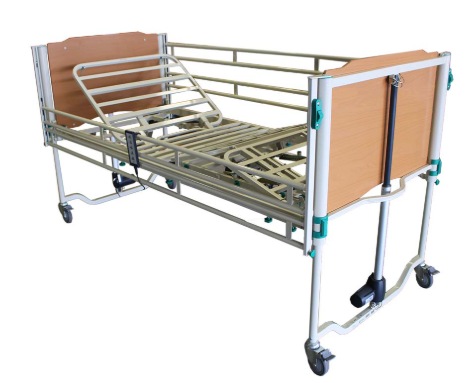
Prepare the Rail System
Measure the distance between crossbraces first. They need to sit 45 to 72 inches apart for the rails to work right. Wrong spacing stops the rails from locking tight. Patients can get trapped in the gaps this creates.
Lower the Head-End Position
Insert the outer telescoping rail into the barrel at the head-end crossbrace. Push it all the way in. Pull and hold the spring-loaded knob on the barrel. This frees up the locking parts inside.
Guide the rail down while holding the knob. You’ll feel it catch at each stop point. Drive Medical rails lock at three heights. The lowest spot sits close to the mattress top. The middle spot raises halfway. The highest spot extends to full height.
Let go of the spring-loaded knob at your target height. Listen for a clear “click” sound. This click means the rail locked in place. No click? The rail isn’t secure. Pull the knob again and adjust until you hear it.
Test the rail by pulling up. A locked rail won’t move or slide. Wobbling or movement means it didn’t lock right. Reset the rail and try again.
Adjust the Foot-End Position
Insert the inner telescoping rail into the barrel at the foot-end crossbrace. This end uses the thinner tube part. Push it deep into the barrel opening until it stops.
Do the same spring-loaded knob steps you used at the head-end. Pull and hold the knob. Lower the rail to match your head-end height or pick a different spot. Care homes often lower foot-end rails alone while keeping head-end rails up. Patients can exit the bed this way. They still have support at the top for sitting up or moving around.
Let go of the knob at the right spot. Feel for the rail to stop hard against the barrel. The click might sound softer at the foot-end. You can feel the resistance that tells you it locked right.
Check Your Work
Look at both ends after adjustment. Each barrel connection must sit flush. Check for gaps between the rail tube and crossbrace barrel. Gaps mean you didn’t insert it all the way. Take out the rail and put it back in right.
Grab each rail and shake it a bit. Secure rails don’t rattle or shift. Both the head and foot connections should feel solid. Movement at either end makes the whole rail length unstable.
How to Lower Half-Length Drive Medical Bed Rails
Half-length rails of medical nursing bed cover just part of the bed side—either the upper or lower section. These shorter rails make it easier for patients to get in and out of bed. Drive Medical built them with a pull pin release system. Height changes happen quick and simple.

Find the Release Mechanism
Check under the rail bracket. Look for a silver release lever or pull pin attached to each bracket mount. This pin sits in a hole that locks the rail at different heights. The pin keeps the rail steady during use.
Most Drive Medical half-length rails use spring-loaded pull pins. These pins pop back into lock position on their own. Some older models have manual pins. You must push these back in yourself. Check your bed’s manual to see which type you have.
Pull the Release Pin
Grip the pull pin with your thumb and fingers. Get a good hold on it. Pull the pin straight outward until it clears the bracket holes. The spring tension will push back. You need steady pressure to pull it out.
Hold the pin out while you lower the rail. Let go too soon and the pin catches in a higher hole. The rail won’t reach the bottom if the pin locks mid-way down.
Watch your fingers during this step. The pin spring can snap back fast. You might lose your grip. Keep a secure hold until the rail reaches where you want it.
Guide the Rail Down
Pull the pin out and the rail moves free in its track. Slide the rail down with control. Don’t let it drop or slam down. Fast drops can damage the bracket. Plus, they create loud noises that startle patients.
The rail glides along guide tracks inside the mounting brackets. You’ll feel smooth resistance as it moves. Any grinding, sticking, or rough spots? Something’s wrong. Stop and check for debris or bent parts.
Lower the rail to the bottom position. Half-length rails have two or three height settings. The lowest position sits almost level with the mattress surface. Patients get maximum access to enter and exit the bed.
Lock the Rail in Place
Release the pull pin once the rail reaches the bottom. Listen for the pin to click as it engages in the lower bracket hole. This click tells you the locking mechanism caught. No click? The rail isn’t secure.
Test the lock by pulling upward on the rail. A locked rail won’t budge or rattle. Any movement means the pin didn’t engage all the way. Pull the pin out again. Adjust the rail position up or down a bit until you hear the click.
Some Drive Medical beds like the Competitor II Semi Electric model need you to check both rail brackets. Each side has its own pull pin. Both pins must lock at the same height. Uneven heights create a rail that won’t protect right.
Safety Rules for Half-Length Rails
Drive Medical’s safety guidelines are clear: Use one set of half rails per bed side. Never mount two half-length rails on the same side. Two rails create dangerous gaps between the sections. Patients can get caught in these spaces.
Lower both bed rails during patient transfers. Keep at least one rail up while the patient stays in bed. All rails down? You’ve removed fall protection. Time your rail adjustments to match patient movement needs.
Verify Your Work
After lowering rails, run through this final check:
Both pull pins clicked into locked position
Rails sit at matching heights on each bracket
No gaps appear between rail sections and mattress
Rails don’t move during a push or pull test
Walk around the bed to inspect from different angles. Side views show alignment issues you might miss from the foot or head position. Take an extra minute for this inspection. It stops serious safety problems later.
Troubleshooting: Common Issues When Lowering Medical Bed Rails
Rails that won’t budge frustrate caregivers and delay patient care. Drive Medical bed rails can stick, jam, or fail to lock for several reasons. Most problems come from mechanical issues you can fix yourself. Some need professional help.
Quick Diagnostic Checklist
Run through these steps if rails won’t lower on your Drive Medical bed:
Press release parts all the way and hold them
Remove all bedding, cords, and equipment near rails
Verify rail alignment with mounting brackets
Tighten all visible securing knobs and fasteners
Center mattress within bed frame boundaries
Clear any weight or objects hanging from rails
Inspect for bent metal, cracks, or visible damage
Check power connections on electric bed models
Confirm you’re using correct rails for your bed type
Measure gaps after lowering to catch new hazards
Contact Drive Medical technical support at their service line if basic fixes don’t work. Ongoing mechanical problems need factory-trained technicians. Don’t force stuck rails—you risk creating worse damage and safety hazards.
