
How To Make A Manual Wheelchair More Comfortable?
Hours in a manual wheelchair don’t have to mean constant pain, pressure points, or a nagging backache. You might feel shoulder fatigue from poor positioning. Painful pressure spots might develop. Or you get exhausted after short periods of use. The good news? Your wheelchair comfort can change.
Most discomfort comes from improper setup, poor cushioning, or missing accessories. These are fixable problems. You don’t need to buy a new wheelchair.
This guide shows you evidence-based adjustments and proven modifications. Wheelchair users and occupational therapists recommend these methods. You’ll learn how to select the right pressure relief cushion. You’ll learn how to fine-tune your seating position for better support.
We cover budget-friendly DIY solutions. We also cover professional-grade upgrades. These address the root causes of wheelchair discomfort. Plus, they prevent serious problems like pressure sores later on.
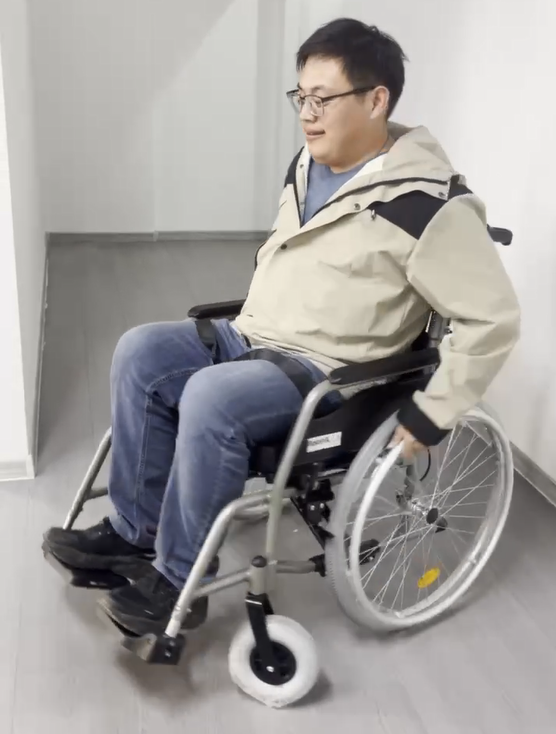
Find Your Wheelchair Discomfort Sources
Know where your discomfort comes from. This makes fixes work better. Most wheelchair users feel pain in several spots at once. Each spot needs its own fix.
Common Discomfort Types
Pressure Points and Skin Issues
Your body weight presses down on small areas. This creates concentrated pressure. Your sit bones (ischial tuberosities), tailbone (coccyx), and thighs carry most of the load. Sitting too long without a good pressure relief cushion creates hot spots. These hot spots can turn red. For some people, they become painful pressure sores within hours. Numbness, tingling, or burning? These warn you about reduced blood flow. They show up before you see any damage.
Spinal and Postural Discomfort
Back pain in wheelchairs comes from three main issues. First, poor back support wheelchair design. Second, wrong seat depth adjustment. Third, bad seat-to-backrest angle. Your lower back needs the right contour. This keeps your spine in its natural curve. Slouching forward? Your backrest doesn’t fit your torso length. Or it’s not firm enough. Upper back strain means something else. Your shoulders roll forward because armrests sit too high or too wide apart.
Muscular Fatigue and Joint Strain
Stiff shoulders, arms, or wrists? You have poor wheelchair ergonomics and positioning. Reaching too far to grab wheels causes shoulder problems. Wrong armrest heights make your muscles work constantly. They strain just to hold your arms in place. Hip discomfort points to seat depth problems. Too deep? You can’t reach the backrest. Too shallow? Your thighs lack support.
Do Your Personal Assessment
Spend 30 minutes in your wheelchair. Do your normal activities. Write down each discomfort as it appears. Note where you feel it. Note what makes it worse—which movement or position. This mapping shows you what you need. Maybe cushioning upgrades. Maybe ergonomic wheelchair setup changes. Maybe specific wheelchair comfort modifications to contact points.
Adjust Your Wheelchair Settings for Better Comfort
Most manual wheelchairs come with factory settings that don’t fit anyone well. Your body size, weight, and what you do each day need custom changes. These tweaks cost nothing but change how your wheelchair feels.
Seat Depth: The Foundation Adjustment
Measure from your buttocks to the back of your knees while seated. Your ideal seat depth should be 1-2 inches shorter than this measurement. Too deep? You’ll slouch forward. Your back loses contact with support. Too shallow? Your thighs hang without support. This puts pressure on your knees.
Reposition the backrest upholstery or move the seat pan forward. Test the change by sitting down. Check that gap behind your knees. Your thighs should rest on the seat without pressure at the knee edge.
Seat Height: Ground Connection Matters
Good height puts your feet flat on footrests. Knees should bend at 90 degrees. Your thighs should sit parallel to the ground. This spreads weight across your sitting surface. It cuts tailbone pressure.
Lower seats help shorter users reach wheels easier. Higher positions make transfers easier for taller people. Change axle position or footrest length to adjust. Make sure your wheelchair positioning keeps hips a bit higher than knees. This protects your lower back.
Backrest Angle: Spine Protection
Your backrest should match your spine’s natural S-curve. Most stock backrests sit too upright at 90 degrees. This flattens your lumbar curve. It strains back muscles. A slight recline of 95-105 degrees takes off pressure.
Tension backrests let you adjust firmness. Tighter settings work for active users who shift weight often. Looser settings suit those who need pressure relief during long sits. The goal: back support wheelchair contact from tailbone to shoulder blades with no gaps.
Armrest Height: Shoulder Relief
Set armrests so your elbows bend at 90 degrees. Shoulders should relax. Too high? Your shoulders lift all the time. This means muscle fatigue. Too low? You lean sideways for support. This throws off your spine.
Good armrest padding height keeps forearms level. Your shoulders drop into a comfortable spot. Wrists stay neutral during wheel pushing. This ergonomic wheelchair setup stops strain injuries that build up over months of bad positioning.
Choose the Right Wheelchair Cushion and Padding
Your cushion decides if you sit in comfort for hours or feel painful pressure points in 30 minutes. This part absorbs impact, spreads your weight, and protects tissue from breaking down. Get it wrong? You face discomfort, skin damage, and breaks in your day.
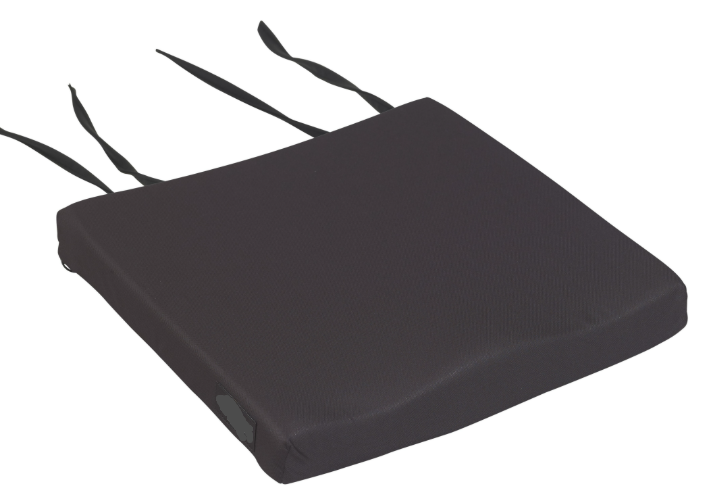
Foam Cushions: Everyday Reliability
Foam gives you the simplest wheelchair seat cushion option. High-density memory foam shapes to your body. Active wheelchair users get stable support, even with constant position changes. Foam weighs less than other options—usually 1-3 pounds. Transfers get easier. Your wheelchair weighs less overall.
The drawback? Foam breaks down over time. Standard foam cushions last 1-2 years with regular use before they lose support. Heat can build up during long sits. Sitting 4+ hours each day without breaks? Foam alone won’t give you enough pressure sore prevention.
Gel Cushions: Temperature and Pressure Balance
Gel pressure relief cushions spread weight across a wider area. The thick material flows around bony spots like sit bones and tailbone. This shapes a custom fit that cuts peak pressure by 40-60% versus flat foam.
Gel cushions also cool better than foam. Users feel cooler during long sits. The downside is weight—gel cushions usually weigh 5-8 pounds. They feel heavier during wheelchair movement and transfers. Gel can shift inside the cover over time. You’ll need to spread it out again to keep even support.
Air Cushions: Maximum Pressure Distribution
Air-filled cells offer the best wheelchair ergonomics for pressure control. These cushions use linked air chambers that adjust on their own as you move. Your weight spreads out no matter how you sit. Research shows air cushions cut pressure ulcer rates by up to 75% in high-risk people.
You can adjust air cushions. Control firmness by adding or releasing air through a valve. Softer settings work for lighter users. They also help those who need maximum shaping. Firmer inflation suits heavier people. It also helps those who need more stability during transfers.
You need to maintain these cushions. Check air levels each week. Small holes can cause slow air loss. Most quality air cushions come with repair kits for fast fixes.
Targeted Padding for Contact Points
Beyond your main seat cushion, armrest padding removes hard edges that squeeze nerves and block blood flow. Gel or foam armrest covers cost $15-30 per pair. They stop numbness in forearms during long use. Add side thigh pads if your wheelchair feels too wide. These fill gaps that cause sideways tilt and hip pain.
Upgrade Wheels and Tires for Smoother Rides
Sidewalk cracks send vibrations through your wheelchair frame. Parking lot potholes create bumps. Uneven pavement jolts your body. These shocks pile up fast. Your spine takes the compression. Your shoulders handle the stress. Fatigue hits sooner than it should. Your wheels and tires decide how much punishment reaches your body.
Wheel Size: Navigate Obstacles with Less Effort
Most manual wheelchairs come with 24-inch rear wheels. Switch to 25 or 26-inch wheels. You’ll get better ground clearance. Roll-over ability improves too. Bigger wheels climb curbs easier. They handle threshold transitions with 30-40% less arm force. Gravel becomes manageable. Grass won’t stop you. Cracked pavement? No problem.
Pneumatic Tires: Built-In Shock Absorption
Air-filled tires compress on impact. The cushioning soaks up shocks. Your spine and joints stay protected. People compare solid tires to pneumatics as “night and day” on rough terrain.
You’ll need to maintain them. Check air pressure every week. Low pressure makes tires roll harder. You lose shock absorption too. Most wheelchair pneumatic tires need 50-65 PSI. Keep a portable pump handy. Grab a patch kit for flats. Quality pneumatic tires run $40-70 per pair. They last 18-24 months with good inflation.
Solid Tire Alternatives for Low Maintenance
Puncture-proof solid tires never go flat. Modern foam-filled types give moderate cushioning. Not as soft as pneumatics. But much better than old hard rubber. They handle indoor floors well. Paved trails work great too.
Look for softer solid tires (60-70 on the Shore A scale). They balance comfort with durability. Harder rubber lasts longer. But you feel more vibration. Quality solid tires cost $50-90 per pair. Their cushioning holds up past two years.
Essential Wheelchair Comfort Accessories
Simple accessories boost wheelchair comfort. You don’t need to replace your whole setup. These add-ons fix pressure points and support gaps that standard wheelchairs leave out.
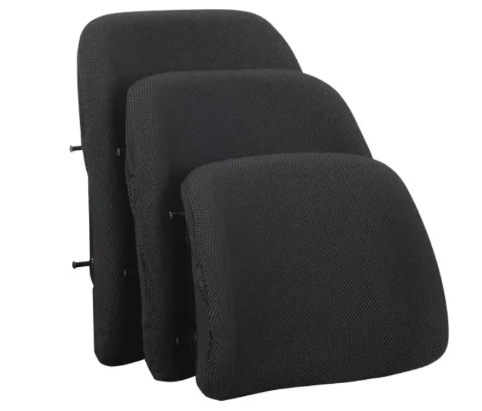
Lumbar Support Cushions: Spine Curve Protection
Your lower back needs extra support. Lumbar support cushions fill the space between your spine’s natural curve and flat backrests. Medical-grade options use shaped memory foam or gel inserts. They keep the S-curve your spine needs. This stops muscle fatigue.
People with chronic back pain feel 40-50% less discomfort after adding proper lumbar support. The cushion stops slouching during 4+ hour sits. Your core muscles don’t work as hard to hold posture.
Backrest Seat Pads: Layer Extra Cushioning
Standard wheelchair upholstery has little padding. Add seat pads over your current setup for instant comfort. Sheepskin covers control temperature naturally—cool in summer, warm in winter. They also cut friction against skin.
Foam overlay pads (1-2 inches thick) soften hard plastic or canvas seats. Look for high-density foam rated at 50+ ILD (indentation load deflection). This firmness supports your body. It won’t bottom out. Prices range $30-80 based on material quality.
Backrest pads should add to—not replace—your main pressure relief cushion. They work best for comfort on rigid backrests. They also protect shoulder blades from hard frames.
Adjustable Footrests: Lower Body Alignment
Good footrests do more than hold your feet. Swing-away models ($40-90 per pair) make transfers easier. Elevating footrests cut leg swelling during long sits. They boost circulation. Angle-adjustable versions let you fine-tune knee bend for better wheelchair positioning.
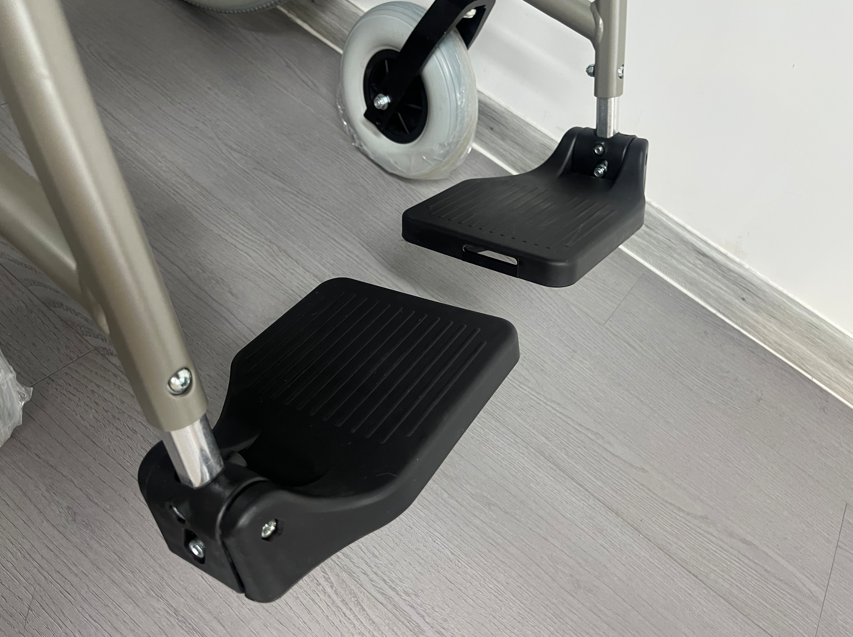
Set footrest height so your thighs rest flat. Your knees should bend at 90 degrees. This spreads weight across your sitting surface. It doesn’t pile pressure at your tailbone.
Armrest Pads: Nerve Protection
Hard armrests press on nerves in your forearms. This causes numbness and tingling. Gel-filled armrest padding ($20-35 per pair) creates a soft barrier. The padding spreads pressure over a wider area.
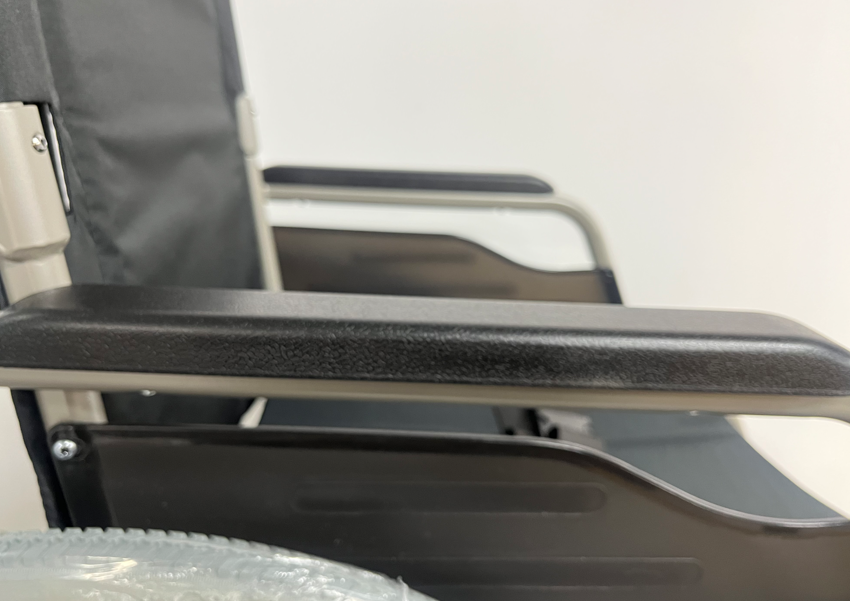
Wraparound designs cover the top and sides of armrests. They protect elbows during transfers too. Memory foam versions shape to your arm position. They keep support even after months of use. These wheelchair comfort modifications stop ulnar nerve pressure—the “funny bone” pain that shoots to your pinky finger.
Tilt-in-Space vs Traditional Manual Wheelchairs
Manual wheelchairs come in two main types. The key difference? How they handle pressure management.
Tilt-in-Space wheelchairs recline the entire seat and backrest as one unit. The angle between seat and backrest stays the same. Your whole body tilts back—15 to 50 degrees from upright.
This tilt moves weight off your sit bones and tailbone. Pressure goes to your back and upper thighs instead. High risk for pressure sores? You get relief without moving yourself. Limited upper body strength? This design helps most. Can’t shift weight on your own? You stay protected during 6+ hour sits.
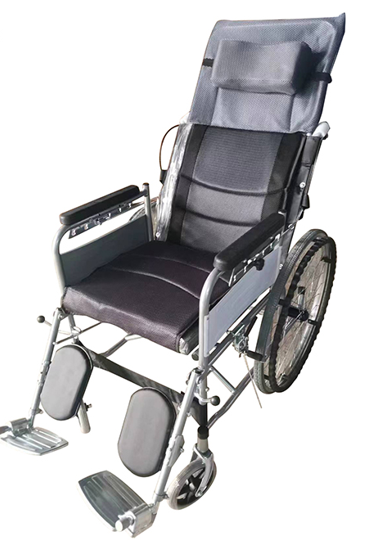
Traditional manual wheelchairs work more simply. The seat and backrest stay at fixed angles. You get basic tweaks—seat height, backrest tension, armrest position. The chair doesn’t tilt. You shift your body position yourself for pressure relief. This design costs $200-800 less than tilt-in-space models. Plus, it weighs 8-15 pounds lighter. Transfers and transport get easier.
Tilt-in-Space models cost $1,500-4,000 based on features. The extra weight—35-55 pounds total—makes pushing harder on flat ground. But the pressure sore prevention beats these downsides for high-risk users.
Pick tilt-in-space if you sit 6+ hours each day without changing position. Go with traditional manual chairs if you shift weight often and need light, easy mobility. Your wheelchair positioning needs and pressure ulcer risk show which design protects your health long-term.
Prevent Pressure Sores and Long-Term Health Issues
Pressure sores develop fast. Sitting still for just 2-3 hours damages skin and tissue below the surface. You won’t feel pain at first. By the time you see redness or discomfort, damage has started. Stage 1 ulcers show as red patches. These patches stay red even after you press them. Stage 2 creates open wounds. Stage 3 and 4 go deep into muscle and bone. Severe ulcers need months of treatment. Some need surgery.
The 15-Minute Pressure Relief Rule
Set a timer for every 15-30 minutes during long sits. Shift your weight at each timer. Lean forward for 30 seconds. This moves pressure from your tailbone to your thighs. Push down on armrests and lift your body 1-2 inches off the seat. Hold for 15-20 seconds. This gives your sit bones and tailbone fresh blood flow. Do side-to-side weight shifts too. Lean left for 30 seconds, then right.
Limited upper body strength? Tilt your wheelchair back if you can. Ask a caregiver to help you move. Small movements make a difference. The goal: don’t let pressure stay in one spot for more than 30 minutes.
Use quality pressure relief cushions with active positioning habits. Your cushion spreads pressure during normal sitting. Your weight shifts prevent damage during extended use. These strategies together cut pressure sore risk by 80-90% compared to standard wheelchair setups.
Conclusion
A comfortable manual wheelchair isn’t a luxury. It’s essential for your health, independence, and quality of life. A high-quality pressure relief cushion helps. So does adjusting your seat depth or upgrading to smoother tires. Each change brings you closer to pain-free mobility. Plus, it helps prevent pressure sores.
Start with the basics. Check your current setup. Find what causes discomfort. Then prioritize changes based on your needs and budget. Wheelchair comfort modifications don’t need to happen overnight. Small adjustments make a difference. Add armrest padding. Reposition your footrests. You’ll notice the change today.
Your wheelchair should support your lifestyle, not limit it. Still uncomfortable after these adjustments? Consult a seating specialist or physical therapist. They can give you personalized recommendations. At Grace Medy, we help you find solutions that work. Comfort isn’t just about feeling better. It’s about living better. Pick one change from this guide. Try it today. That’s your first step toward a more comfortable tomorrow.
