
Is It Okay To Sit In A Wheelchair All Day?
The answer depends on how you manage your sitting time. Wheelchair use isn’t harmful by itself. What matters is how you sit, how long you sit, and what steps you take during the day.
Bottom line: Yes, you can sit in a wheelchair all day. You just need to manage risks through smart equipment choices and regular care routines.
Health Risks of Sitting in a Wheelchair All Day
Using a wheelchair for long hours puts stress on your body at specific contact points. Poor management of these pressures can lead to medical problems. Some are just uncomfortable. Others can be life-threatening. Know these risks so you can act before problems start.
Pressure Sores: The Two-Hour Danger Window
Pressure sores—also called bedsores or pressure ulcers—are the biggest threat for wheelchair users. These wounds form when pressure cuts off blood flow to your skin and tissue below. Your tailbone, hips, sitting bones, and heels face the most risk. Any spot where bone sits close to skin is in danger.
Here’s why pressure sores are so serious: they can start forming in as little as two hours. Stage 1 shows as red skin that doesn’t turn white when you press it. Stage 2 creates open wounds that break through the skin. Stage 3 goes into fat tissue. Stage 4 reaches muscle and bone. These late stages bring infection risks and hospital stays. Some need surgery. Recovery takes months. Prevention takes minutes.
Muscle Atrophy and Joint Stiffness
Your muscles follow a simple rule: use them or lose them. Sitting still for hours triggers muscle atrophy. That’s muscle wasting from lack of use. Your leg muscles, core, and back muscles all get weaker without regular use. This happens slowly but adds up over weeks and months.
Joint stiffness develops as muscles weaken. Your hips, knees, and ankles need regular movement to stay flexible. Without movement, tissues tighten. Joints get stiff. Transfers get harder. Getting dressed takes more time. Less movement creates more stiffness. This makes movement even harder.
Circulation Problems and Blood Clot Formation
Gravity pulls blood down to your lower body while sitting. Your leg muscles pump this blood back up through your veins. Sitting still stops this pumping action. Blood pools in your legs. Circulation slows way down.
Poor circulation causes cold feet and swelling. It also raises your risk for deep vein thrombosis (DVT). These are blood clots that form in deep leg veins. DVT causes pain, warmth, and swelling in the affected leg. The real danger? A clot can break free. It travels through your blood to your lungs. This creates a pulmonary embolism. Blood flow in your lungs gets blocked. This is a medical emergency.
Chronic Back Pain from Poor Positioning
Your wheelchair setup affects your spine health. A seat that’s too deep pushes your pelvis backward. Too shallow and you slide forward. Wrong backrest height gives no lower back support. Wrong footrest position twists your hips.
These problems create back pain that builds all day. Your muscles work overtime to keep your spine stable. Discs compress on one side more than the other. Vertebrae shift from normal positions. Poor posture over months and years causes lasting spinal changes. You get nerve compression and constant pain that medicine can’t fix.
How to Reduce Health Risks of Sitting in a Wheelchair All Day
Prevention beats treatment every time. Small changes in equipment and routine make the difference between health problems and healthy wheelchair use. These strategies work for full-time wheelchair users, caregivers, and B2B suppliers picking products for healthcare facilities.
Invest in High-Quality Pressure Relief Cushions
Your cushion is your first defense against pressure sores. Standard foam cushions compress and lose their shape within months. They create pressure hot spots that damage tissue. High-quality pressure relief cushions use gel, air, or foam combinations that distribute weight across your sitting surface.
Gel cushions conform to your body shape and spread pressure out. They stay cool and don’t trap heat like basic foam. Air cushions adjust to your movements throughout the day. Each shift in position triggers automatic pressure redistribution. Hybrid cushions combine multiple materials for maximum protection.
Look for cushions with clinical testing data. The best products show pressure mapping results. These maps use color coding to display exact pressure levels at every contact point. Red zones mean dangerous pressure. Green and blue zones show safe distribution. Choose cushions that keep your pressure map green and blue.
Replace cushions on schedule. Most high-use cushions need replacement every 12 to 18 months. Compression testing tools measure when cushions lose their protective ability. Don’t wait for visible damage. Internal breakdown happens first.
Follow a Strict Weight Shift Schedule
Tissue damage starts when pressure cuts off blood flow for more than two hours. Your goal: relieve pressure before the two-hour mark. Set timers for every 15 to 30 minutes during waking hours. Each pressure relief should last at least 30 seconds.
You can push up on armrests to lift your body weight. Lean forward to shift pressure from tailbone to thighs. Lean to each side for 30 seconds. These small movements restart blood flow to compressed areas. Caregivers should help users who can’t reposition on their own. Support the person while they lean or assist with forward bends.
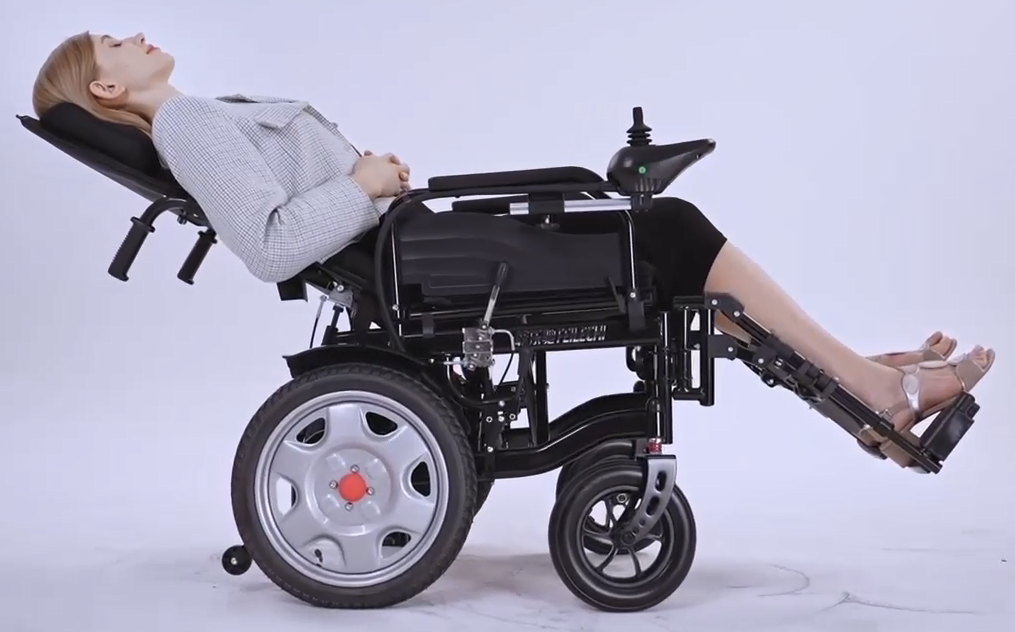
The Grace Medy Deluxe Folding Wheelchair includes an adjustable backrest for easy reclining. This feature lets users shift to a semi-reclined position without transferring out of the chair. Pressure moves from sitting bones to the entire back and buttocks. Blood returns to compressed tissue. Muscles get a break from holding upright posture.
Document your repositioning schedule. Healthcare facilities should keep pressure relief logs. Track every position change with time stamps. This protects users and creates accountability for care teams.
Optimize Wheelchair Fit and Adjustability
A bad wheelchair fit creates pressure points and posture problems. Seat depth affects everything. Measure from the back of your buttocks to the back of your knees. Subtract two inches. That’s your ideal seat depth. Too deep and you can’t use the backrest. Too shallow and you slide forward.
Seat width should allow one inch of space on each side of your hips. Wider seats let you slouch sideways. Narrower seats create pressure on hip bones. Seat height positions your feet flat on footrests with knees bent at 90 degrees. Wrong height tilts your pelvis and strains your back.
Adjust footrests so your thighs contact the seat cushion flat. Footrests set too high lift your thighs off the seat. All your weight crushes your sitting bones. Too low and your knees drop below your hips. This slides you forward and removes back support.
Backrest height should reach your shoulder blades for full support. Lower backrests work for active users who need shoulder mobility. Higher backrests support users who can’t hold themselves upright. Armrest height should let your shoulders relax while your elbows rest at 90 degrees.
Maintain Hydration and Skin Inspection Routines
Dehydration makes skin fragile and speeds up pressure sore formation. Wheelchair users need 8 to 10 glasses of water each day. Keep a water bottle attached to your wheelchair. Take sips throughout the day instead of large amounts at once. Set reminders on your phone every hour.
Check your skin twice a day—morning and evening. Use a long-handled mirror to inspect areas you can’t see. Look at sitting bones, tailbone, heels, and any spot that touches the wheelchair. Pressure damage shows as red areas that don’t turn white when pressed. Catch problems at this stage and they heal in days. Miss them and you face weeks of treatment.
Put moisturizer on dry areas but avoid wetness between skin folds. Pat skin dry after washing. Don’t rub. Friction damages stressed tissue. Change position right away if you notice any redness or warm spots. Report skin changes to your healthcare provider within 24 hours.
Build in Movement and Exercise Programs
Muscle strength protects against injury and makes transfers safer. Physical therapy maintains what sitting tries to take away. Upper body exercises keep arms strong for pushing and transfers. Resistance bands add challenge without needing special equipment. Attach bands to wheelchair frames for rows, chest presses, and shoulder work.
Range of motion exercises keep joints flexible. Move each joint through its full arc twice a day. Ankle circles, knee extensions, and hip rotations prevent the stiffness that makes movement painful. Even users with limited movement benefit from passive range of motion. Caregivers can move joints through their normal patterns.
Wheelchair yoga and seated tai chi build core strength and balance. These practices improve breathing and reduce stress too. Find certified instructors with wheelchair experience. Many programs offer virtual classes that work from home.
Utilize Tilt-in-Space and Reclining Technology
Modern wheelchairs offer positioning options that were impossible ten years ago. Tilt-in-space systems change your angle without changing your hip or knee position. The entire seat tilts backward as one unit. This shifts pressure from your buttocks to your back and thighs. Your posture stays supported. No sliding or shearing forces damage your skin.
Reclining backrests work a different way. The backrest angles backward while the seat stays level. This opens your hip angle and relieves back muscle tension. Combine reclining with elevated legrests for maximum pressure relief. Blood flows easier when your legs lift to heart level.
The Grace Medy Deluxe Folding Electric Wheelchair combines both technologies. Users control tilt and recline with a joystick. Position changes happen throughout the day. No transfers needed. No caregiver assistance required. This independence encourages frequent repositioning. More position changes mean better pressure relief and circulation.
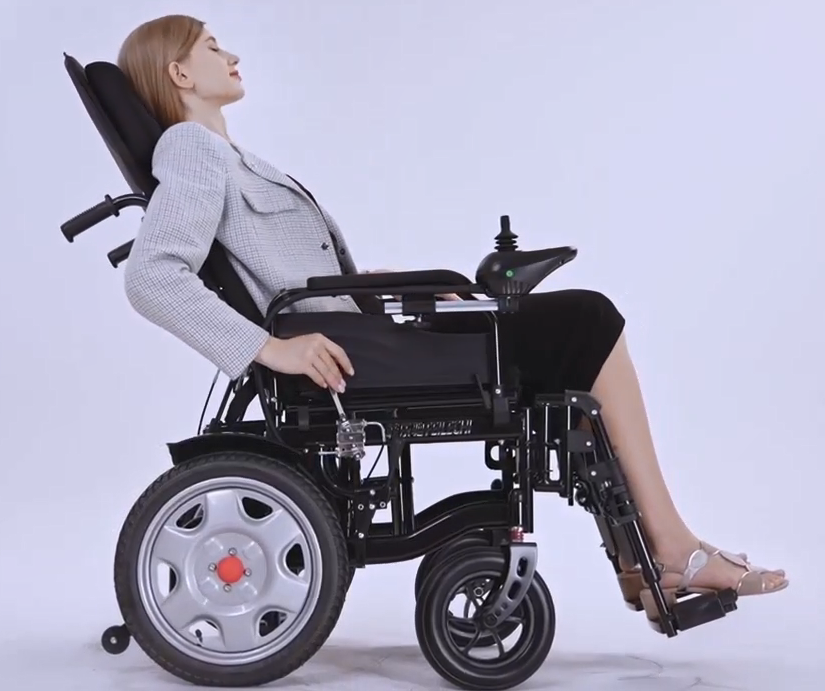
These features benefit everyone. Active users gain comfort for long days out. Users with higher needs get medical-grade positioning. Healthcare facilities reduce staff injury from manual repositioning. Insurance often covers these features when medical need is documented.
Choosing the Right Wheelchair for Long-Term Use
Picking a wheelchair for long-term use needs careful thought. You want features that protect your health during extended sitting. A basic wheelchair differs from an all-day model in comfort, safety, and health results over months and years.
Comfortable and Supportive Cushions: The Foundation of All-Day Seating
Cushion quality decides if a wheelchair prevents or causes pressure sores. Basic foam cushions wear out within three to six months of regular use. The foam crushes in high-pressure zones. Weight spreads unevenly. Pressure hot spots form right where tissue damage starts.
Premium cushions use advanced materials built for long-term pressure relief. Medical-grade gel flows around body contours. This creates even weight spread across the entire sitting surface. Air cell technology adjusts as users shift position throughout the day. Memory foam returns to its original shape after each use. It keeps its protective properties for years.
Look for cushions with removable, washable covers. Protection layers stop moisture from reaching foam cores. Antibacterial treatments cut down odor and germ growth. Cushion thickness matters too—most therapeutic cushions measure 3 to 4 inches thick when new. Thinner cushions can’t give enough protection for users sitting more than four hours each day.
Adjustable Backrest and Recline Functions for Active Pressure Management
Built-in repositioning lets you avoid transfers for pressure relief. Manual recline mechanisms let caregivers adjust positioning without lifting users. Electric recline systems give users control over their position changes. Both options create needed variety in pressure patterns.
Backrests should adjust in height to match torso length. Lumbar support depth affects spine alignment. It cuts lower back strain. Lateral supports stop sideways leaning that creates uneven pressure on one hip. These adjustments must lock tight and hold position under regular stress.
The Grace Medy Deluxe Folding Wheelchair combines manual recline with tool-free adjustments. Users and caregivers can change backrest angle in seconds. This promotes frequent position changes instead of waiting for scheduled times. More changes mean better blood flow and lower pressure sore risk.
Customizable Seat Dimensions and Footrest Positioning
One-size-fits-all wheelchairs fit most users poorly. Seat width should match hip width plus one inch on each side. Narrower seats create hip pressure points. Wider seats allow slouching that throws off spine alignment. Weight concentrates on the tailbone.
Seat depth adjustments fit different thigh lengths. You need two inches of clearance between the seat edge and the back of your knees. Proper depth lets you sit back against the backrest. This engages lumbar support and spreads weight the right way.
Footrest height and angle adjustments stop knee elevation that causes forward sliding. Swing-away footrests make transfers simpler. They cut injury risk during position changes. Elevating legrests boost circulation during rest periods. They reduce leg swelling after hours of sitting.
Lightweight Construction for Caregiver Safety and Transport Efficiency
Wheelchair weight affects everyone who handles the equipment. Heavy wheelchairs increase caregiver injury rates and limit user independence. Transport gets difficult. Getting wheelchairs in and out of vehicles needs multiple people or mechanical lifts.
Aluminum frames give durability at half the weight of steel. High-strength alloys keep structural strength while cutting pounds from total wheelchair weight. Folding mechanisms let wheelchairs collapse for vehicle storage with no disassembly needed.
The weight difference shows up in real-world use. A 45-pound wheelchair lifts into car trunks with ease. A 65-pound model needs two people or risks back injury. Lighter wheelchairs also push easier over carpet, thresholds, and outdoor surfaces. Less effort means users keep energy throughout the day.
Durable Materials That Keep Performance Over Years
Long-term use shows material quality differences that don’t appear in showroom testing. Frame joints must handle thousands of folding cycles without loosening. Fabrics need tear resistance and color stability after repeated washing. Wheel bearings should roll smooth after years of regular use.
Medical-grade vinyl resists staining. It cleans well with standard disinfectants. Reinforced stitching at stress points stops seam failure. Rust-resistant hardware keeps appearance and function in humid environments or after outdoor exposure.
Check warranty coverage before buying. Quality makers back wheelchairs with multi-year frame warranties. Cushions and fabric should carry separate coverage. These warranties show maker confidence in material strength and build quality.
Conclusion
Extended wheelchair use presents health risks. These include pressure injuries and reduced circulation. However, these risks can be managed. Success depends on user habits and the right equipment.
The wheelchair itself is critical. A properly fitted chair with advanced cushioning is the first defense. It supports health when used correctly.
We design our products for long-term well-being. Our seating systems promote better posture and pressure relief. Our designs encourage proper positioning.
But equipment is only one part. Users must also change position regularly. They should perform recommended exercises. Healthcare professional guidance is essential.
We give you the tools to support your customers. Our chairs are health-partners, not just mobility devices. They are built for safety, comfort, and durability.
Partner with us. We provide the products that support healthy, active lives. Let’s discuss how our range meets the needs of your market.
Your customers deserve reliable, health-conscious mobility solutions. We are here to help you provide them.
