
Picking a wheelchair feels tough with so many choices. You see countless options and specs everywhere.
Manual models give you lightweight portability. Power wheelchairs let you move around with no effort. Each type fits different needs and lifestyles.
This guide breaks down the core wheelchair types. We cover specialized options you might not know about. You’ll get a practical way to choose.
Manual Wheelchairs: Self-Propelled Mobility Solutions
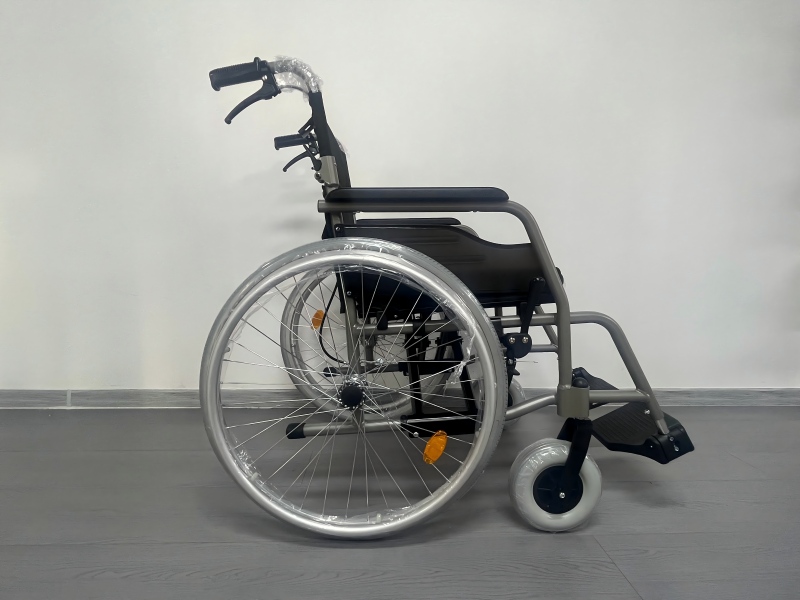
Manual wheelchairs run on human power. You push the wheels yourself using hand rims. A caregiver can push from behind using the handles. No batteries. No motors. Just simple mechanics.
This simple design makes manual wheelchairs the top choice around the world. Hospitals stock them in every department. Rehab centers use them for therapy sessions. Long-term care facilities depend on them for resident transport. No electronic parts means less can go wrong.
Built for Reliability and Everyday Use
The frame decides how well a manual wheelchair holds up. High-strength steel frames handle heavy use without bending or warping. These models support users up to 250-300 pounds. Steel wheelchairs cost less upfront. This makes them a smart choice for bulk orders.
Aluminum frames weigh 30-40% less than steel. Less weight means less strain on your arms. Caregivers love this during long shifts. Users with upper body strength can push themselves with less effort. Aluminum fights rust better too. This means the wheelchair lasts longer in humid places.
Custom Fit for Different Body Types
Standard manual wheelchairs don’t fit everyone. Adjustable parts solve this problem.
Adjustable armrests flip up or down. This makes side transfers easier – to beds, cars, or toilets. Height adjustment fits users from 5’2″ to 6’4″.
Footrests swing away or come off. You can get closer to desks and tables. Caregivers can do foot care without hassle. Elevating leg rests reduce swelling for people with circulation problems.
Seat width options range from 16 to 24 inches. The right width prevents pressure sores. Too narrow? You get painful contact points. Too wide? Your arms work harder to push.
Why B2B Buyers Pick Manual Models
Manual wheelchairs give strong cost control to institutions. A quality manual wheelchair costs $150-$400 per unit. Power wheelchairs start at $2,000. For a 100-bed facility, that price gap makes a big difference.
The supply chain stays stable. Production uses standard materials and basic steps. Lead times don’t shift. Bulk orders ship fast. Replacement parts stock with no headaches across different batches.
Maintenance costs stay low for years. No battery swaps. No motor fixes. Just tire checks and some bearing grease now and then. A manual wheelchair works for 5-7 years in institutional settings.
Power Wheelchairs: Electric-Powered Independence
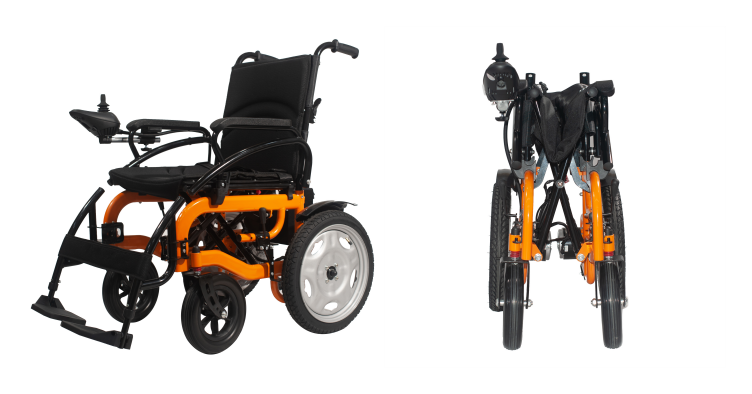
Electric motors replace arm strength in power wheelchairs. A joystick controls speed and direction. The battery pack sits under the seat or behind the backrest. Users with weak upper bodies move without depending on others.
These wheelchairs change life for people with progressive conditions. Multiple sclerosis patients stay independent as their strength fades. Spinal cord injury survivors navigate campus or office buildings. Older users with arthritis avoid shoulder strain and fatigue.
Motor Systems That Drive Performance
Dual motor configurations power the best models. Each rear wheel gets its own motor. This setup creates tight turns in narrow hallways. You can rotate 360 degrees without backing up. Single motor systems cost less but struggle with carpets and slopes.
Motor power ranges from 200 to 800 watts per wheel. Higher wattage climbs steep ramps better. A 400-watt motor handles 8-10 degree inclines. Lower power works fine for flat indoor spaces like nursing homes.
Brushless motors last 3-5 years longer than brushed types. They run quieter too. Less noise means better use in libraries, offices, and quiet residential areas. Maintenance needs come every 6 to 18 months.
Battery Life That Matches Real Schedules
Lithium-ion batteries deliver 15-25 miles per charge. That covers a full day of normal use – breakfast, activities, meals, and social time. Lead-acid batteries cost 40% less upfront but reach 8-12 miles. They also weigh 15-20 pounds more.
Charging takes 6-8 hours for a full cycle. Smart chargers stop damage from overcharging. Battery life hits 2-4 years based on how often you use it. Facilities need backup batteries to avoid downtime during replacements.
Safety Features Built Into Every Component
Programmable controllers let therapists adjust maximum speed. Set it at 3 mph for confused residents. Raise it to 6 mph for outdoor users. Speed profiles stop accidents in high-traffic areas.
Electromagnetic brakes engage when you release the joystick. The wheelchair stops within 2-3 feet at full speed. Manual wheelchairs need hand strength to brake. Power models work for users with grip weakness.
Anti-tip wheels attach to the rear frame. They stop backward falls on ramps and curbs. Front casters handle rough terrain – gravel paths, grass, and uneven pavement. Suspension systems absorb shock for comfort.
Value Proposition for Institutional Buyers
Power wheelchairs cost $2,000-$8,000 per unit. The higher price brings reduced labor costs. Staff spend less time pushing residents. One caregiver supervises multiple independent users instead of giving one-on-one transport.
These models suit facilities with sicker patients. Rehab hospitals bill more for advanced mobility equipment. Skilled nursing facilities attract residents who value independence. The equipment backs up premium care rates.
Warranty coverage includes 3 years on electronics and 5 years on frames. Service contracts add 10-15% to costs each year but guarantee uptime. Replacement parts ship within 48 hours from most makers.
Transport Wheelchairs: Caregiver-Assisted Portability
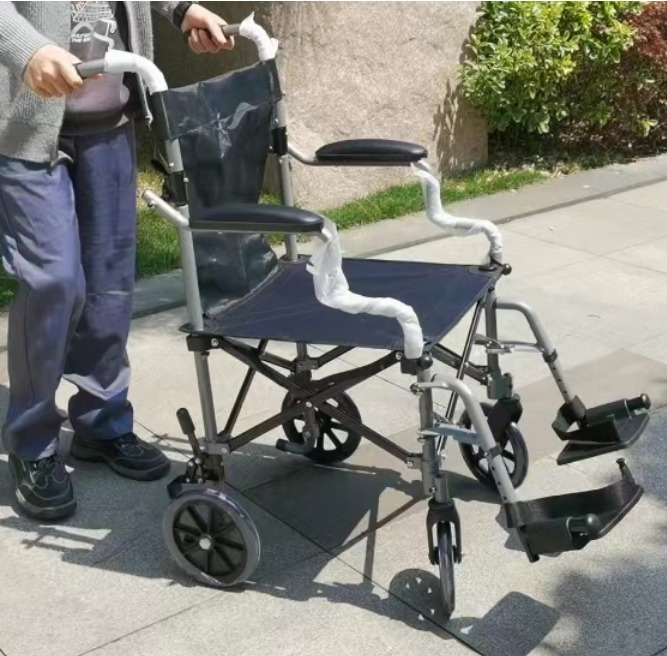
Transport wheelchairs keep mobility simple. Four small wheels. A light frame. Handles for pushing. No hand rims. No way to move yourself. The caregiver controls everything from behind.
This design makes a unique wheelchair type. It’s different from manual and power chairs. Users sit as passengers. Caregivers steer and push. Give up independence? You get easy transport and portability in return.
Where Transport Wheelchairs Excel
Medical facilities rely on transport wheelchairs more than anywhere else. Emergency rooms move patients from check-in to treatment rooms fast. Clinics wheel patients between the front desk, labs, and exam rooms. Imaging centers move people to MRI and X-ray machines.
Travel spots need these compact models. Airport workers push older passengers through long terminals. Hotels keep them on hand for guests who need help getting around. Shopping malls stock them at service desks. Cruise ships have them on every deck.
The big win? Fast setup. A caregiver opens a transport wheelchair in 3-5 seconds. No tweaking needed. No prep time. Just unfold and roll.
Built for Daily Use
Transport wheelchairs weigh 15-25 pounds. That’s half what regular manual wheelchairs weigh. Caregivers lift them into car trunks with ease. They carry folded units upstairs if the elevator breaks.
Strong cross-braces stop frame damage from constant folding. Cheap models break down after 200-300 folds. Good ones last 2,000+ folds. Joints stay tight. Welds don’t crack.
Smaller back wheels (8-12 inches) make tighter turns possible. This helps in tight spaces. Exam rooms. Airplane aisles. Ambulances. The wheels also cut overall width by 2-3 inches versus regular manual wheelchairs.
Quick-release footrests help caregivers move users close to surfaces. Pop them off for car transfers. Swing them aside for bathroom access. This speeds up daily tasks.
Cost Structure for Volume Buyers
Transport wheelchairs cost $80-$200 each. This price works for busy places where equipment goes missing or breaks often. Hospitals buy 50-100 units at a time. No major hit to the budget.
Storage space matters to managers. Ten folded transport wheelchairs fit where four standard manual wheelchairs go. This opens up room in packed medical centers.
Upkeep stays easy. No motors to fix. No batteries to change. Just pump up tires now and then. Check brake pads sometimes. A transport wheelchair runs 3-5 years in hospitals and clinics before you replace it.
Specialty Wheelchairs: Targeted Solutions
Standard wheelchairs don’t meet every need. Some users require features that manual, power, and transport models lack. Specialty wheelchairs bridge these gaps with focused design.
These models help users who don’t fit typical needs. Kids who grow through childhood. Adults over 300 pounds. Patients who can’t sit upright long. People at high risk for pressure sores. Each group gets custom solutions.
Pediatric Wheelchairs: Support for Growing Bodies
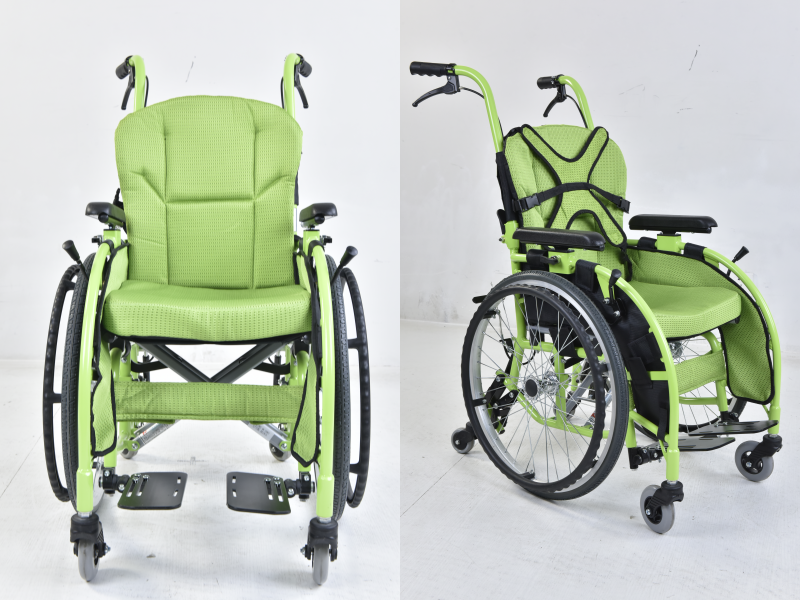
Children’s bodies change quickly. A wheelchair that fits at age 5 fails by age 8. Pediatric wheelchairs fix this with adjustable parts.
Seat depth extends 2-4 inches as legs lengthen. Back height raises to support taller torsos. Armrest positions move up in 1-inch steps. One wheelchair lasts a child 3-4 years. No need for replacements every 18 months.
Bright colors and custom patterns cut the medical equipment stigma. Kids choose their favorite designs. They want to use the wheelchair. Frame weights start at 18-22 pounds. Parents and school staff can lift them easily.
Schools, pediatric hospitals, and therapy centers keep multiple sizes in stock. Prices run $600-$2,500 per unit. Cost depends on adjustment features and materials.
Bariatric Wheelchairs: Built for Higher Weight
Users over 300 pounds damage standard wheelchairs. Frames bend. Wheels buckle. Seats sag after weeks. Bariatric wheelchairs use tough construction throughout.
Seat widths range from 20 to 30 inches. Top models hold 500-700 pounds. Double cross-braces stop frame flex. Heavy-duty casters (6-8 inches wide) spread weight better than standard 3-inch wheels.
Extra width causes problems. Most building doorways measure 32-36 inches. A 28-inch wheelchair fits through with little room. Facilities must measure hallways and patient rooms before buying. Some models use tapered frames – wider at the seat, narrower at the wheels.
Basic manual bariatric models start at $800. Power versions cost $4,000-$9,000. Bariatric care units and long-term care facilities with heavier patients need this investment.
Reclining and Tilt-in-Space Models: Pressure Relief
Sitting upright all day creates pressure sores. Blood flow drops in compressed tissue. High-risk patients develop wounds in 2-4 hours. Reclining wheelchairs let users change position without leaving the chair.
Backrests recline 90-180 degrees. Users shift pressure from buttocks to back. Caregivers can perform medical tasks without moving patients to beds. Leg rests lift to reduce swelling.
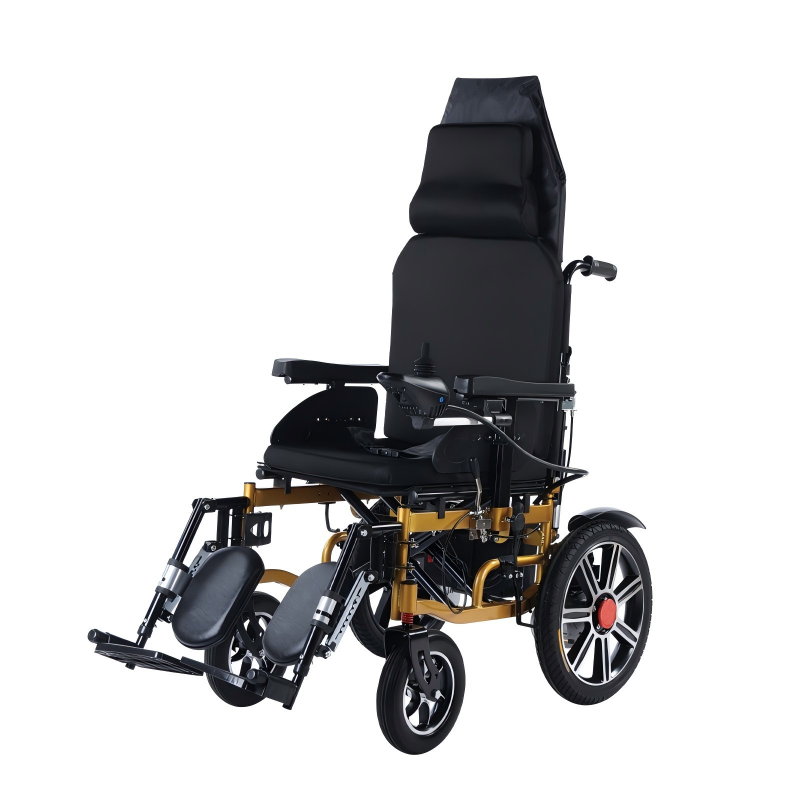
Tilt-in-space wheelchairs tip the entire seat backward. The body angle stays the same. Pressure spreads out without moving the user’s position in the seat. People who can’t move themselves need this. Quality models tilt 35-45 degrees.
Stroke survivors, spinal cord injury patients, and anyone with limited mobility use these systems. Rehab facilities, nursing homes, and home care agencies buy these models often. Manual recliners cost $1,200. Power tilt systems run $6,000 or more.
Selection Guide: Matching Wheelchair Type to User Needs
Usage Frequency and Ownership Models
All-day use needs comfort features and strength. Power wheelchairs with cushioned seats and adjustable backs stop fatigue. Users sit 8-12 hours each day. Manual wheelchairs work for part-time use – a few hours at the mall or during medical visits.
Shared equipment pools in hospitals favor transport wheelchairs. Ten different patients use the same unit each week. Simple designs mean less training for staff. Quick wipe-down cleaning between uses keeps infection control simple. No personal adjustments needed.
Personal ownership makes higher spending on custom features worth it. A person using their wheelchair for 5-7 years gets value from custom seat widths, special cushions, and personal controls. The $3,000-$7,000 spent on a custom power wheelchair makes sense. Rental or short-term users stick with standard manual models.
Cost-Benefit Analysis for Bulk Buyers
Care ratio math guides facility purchases. One caregiver manages six independent power wheelchair users. That same caregiver handles two manual wheelchair patients who need pushing. Labor costs shift the value equation toward power models in facilities short on staff.
Patient care levels set your equipment mix. Acute care hospitals need 60-70% transport wheelchairs for quick patient movement. Assisted living communities stock 50% manual and 30% power wheelchairs for resident independence. Rehab centers put more money in specialty models – 40% of their fleet.
Budget $250,000 for a 100-bed facility’s full wheelchair inventory. Split it across types based on patient population. Track replacement cycles – manual wheelchairs every 5 years, power units every 6-7 years, transport chairs every 3-4 years. This creates clear capital planning.
Conclusion
Picking the right wheelchair starts with knowing what are the three types of wheelchairs and how each fits different mobility needs. Manual wheelchairs give active users affordable independence. Power wheelchairs work great for long distances, especially if you have limited upper body strength. Transport wheelchairs offer easy portability for caregivers handling occasional trips.
Your perfect wheelchair isn’t about finding the “best” option. It’s about matching the type to your lifestyle and physical abilities.
