
Standard Medical Bed Size
The standard Medical bed size is 36 inches (91 cm) wide and 80 inches (203 cm) long. This is the most common size for adult patients in hospitals and home care. These beds focus on patient comfort, safety, and smart use of room space.
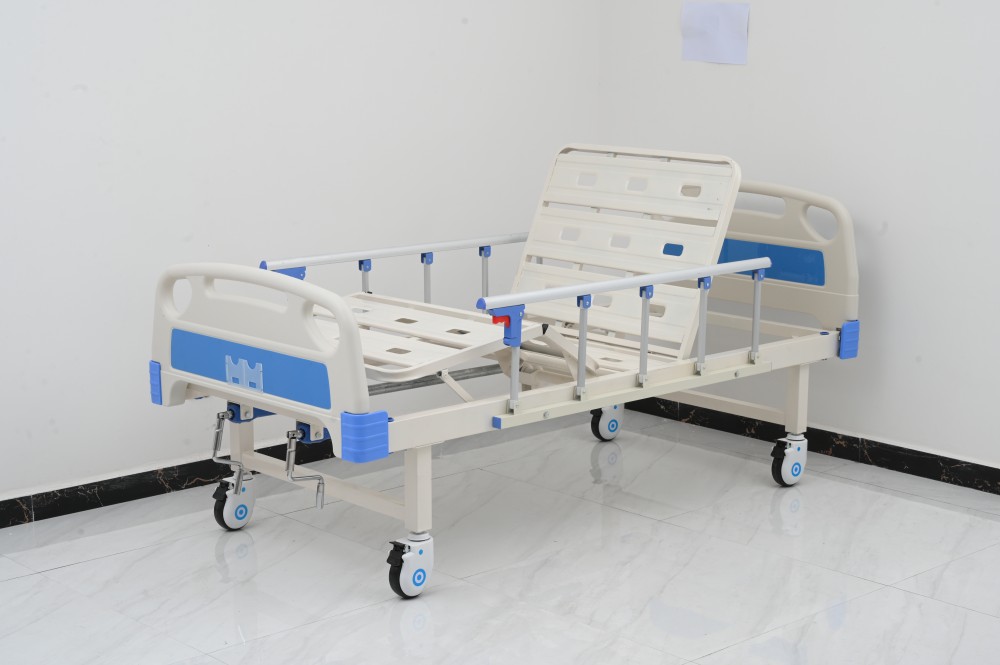
Key Specifications for Standard Hospital Beds
Width:
Standard adult medical beds are 36 inches (91 cm) wide.
Need more space? Beds come in 42 inches or 48 inches wide for bariatric care.
Length:
The typical length is 80 inches (203 cm). This fits most adults.
Taller adults can choose special options up to 84 inches or more.
Height:
Most beds have adjustable height. They range from about 16 to 30 inches from the floor to the top of the mattress. This makes patient transfers easier. Plus, caregivers can access the bed better.
Weight Capacity:
Standard beds support up to 350 pounds (159 kg).
Bariatric models hold more weight for heavier patients.
Choosing the Right Size
Match the medical mattress size to the bed frame. This keeps things safe and functional.
Think about the patient’s size. Consider their medical needs and the room space available before picking a bed size.
Pediatric (Children’s medical Bed) Size
Pediatric medical beds support the unique needs of infants, children, and teenagers. You’ll find them in hospitals and home care settings. Their sizes and features differ based on age, size, and medical needs.
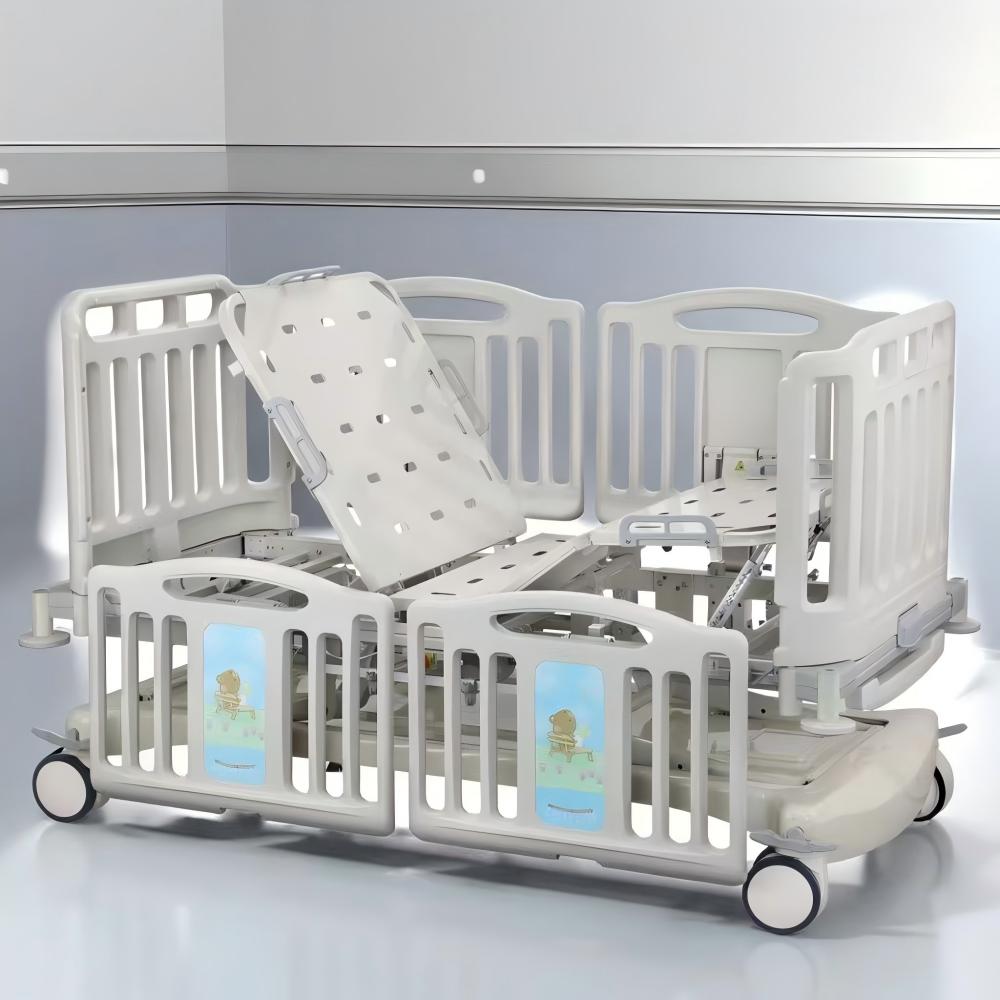
Common Pediatric Hospital Bed Dimensions
General pediatric hospital mattresses have platforms 26.8–29.5 inches wide (680mm–750mm) and 55.1–74.8 inches long (1400mm–1900mm).
Adjustable pediatric beds reach overall lengths of 70.9–78.7 inches (1800mm–2000mm). Widths range between 31.5–35.4 inches (800mm–900mm).
Home care pediatric beds measure around 63 inches long × 30 inches wide (160cm × 76cm).
Pediatric cribs (for infants 0–3 years) are 52 inches long × 27 inches wide (132cm × 69cm).
Beds for older children (3–12 years) are 60 inches long × 36 inches wide (152cm × 91cm).
Some hospital beds designed for children have lengths of 46.1 inches (1170mm), widths of 35.4 inches (900mm), and heights of 25 inches (635mm).
Standard pediatric hospital bed example: 74 inches × 35.4 inches × 25.6 inches (1880mm × 900mm × 650mm). The back section adjusts from 0–75°. The foot section adjusts 0–40°. Weight capacity reaches up to 264.5 lbs (120 kg).
Cribs for newborns/infants: length 31.5 inches (800mm), width 19.7 inches (500mm), height 30–38.5 inches (760–1000mm).
Teen beds have adjustable lengths up to 78.7 inches (2000mm) and widths up to 35.4 inches (900mm).
Weight Capacity and Adjustability
Weight capacities: Most pediatric beds support 120–150kg (260–330 lbs). Heavy-duty beds can reach 225kg (495 lbs).
Height adjustment: Beds lower to 15.7 inches (400mm) for safe transfers. They rise to 27.6 inches (700mm) for better caregiver access. Many beds offer electric adjustment and overload protection.
Safety and Additional Features
Safety comes first: Pediatric beds include high side rails, enclosed sides, head and footboards, and lockable castors. These prevent movement and falls.
Fall prevention: Guard rails are essential for infants and young children.
Other features: You get adjustable height, removable guard rails, IV poles, crank or electric controls for back and knee support. Some include built-in entertainment systems.
Design focus: Easy caregiver support and secure access for the child.
Pediatric Hospital Bed Size Chart
|
Age Range |
Type/Bed Name |
Length (inches) |
Width (inches) |
Height (inches) |
Features |
|---|---|---|---|---|---|
|
0–3 years |
Crib |
52 |
27 |
30–38.5 |
High rails, compact for infants |
|
Newborn/Infant |
Pediatric Crib |
31.5 |
19.7 |
30–38.5 |
Advanced features for babies |
|
3–12 years |
Older Child Bed |
60 |
36 |
25–26 |
Wider/longer, protective side rails |
|
Teenagers |
Pediatric Bed |
Up to 78.7 |
Up to 35.4 |
25–27.6 |
Larger capacity, adjustable length/height |
Summary of Pediatric Bed Selection
Choose bed size based on patient age, size, and care needs
Check for safety features like side rails and height adjustability
Match weight capacity and adjustability to patient and caregiver needs
Extra features boost comfort and support for different pediatric care situations
ICU (Intensive Care Unit) Bed Size and Key Dimensions
ICU beds differ from standard hospital beds. They’re built for critical care settings. The typical ICU bed size is 84 x 36 inches (213 x 91 cm), but dimensions vary by model and brand. The length of ICU beds ranges from 80 to 90 inches (203 to 229 cm). The width falls between 40 to 48 inches (102 to 122 cm). This extra size fits the intensive care environment and specialized equipment.
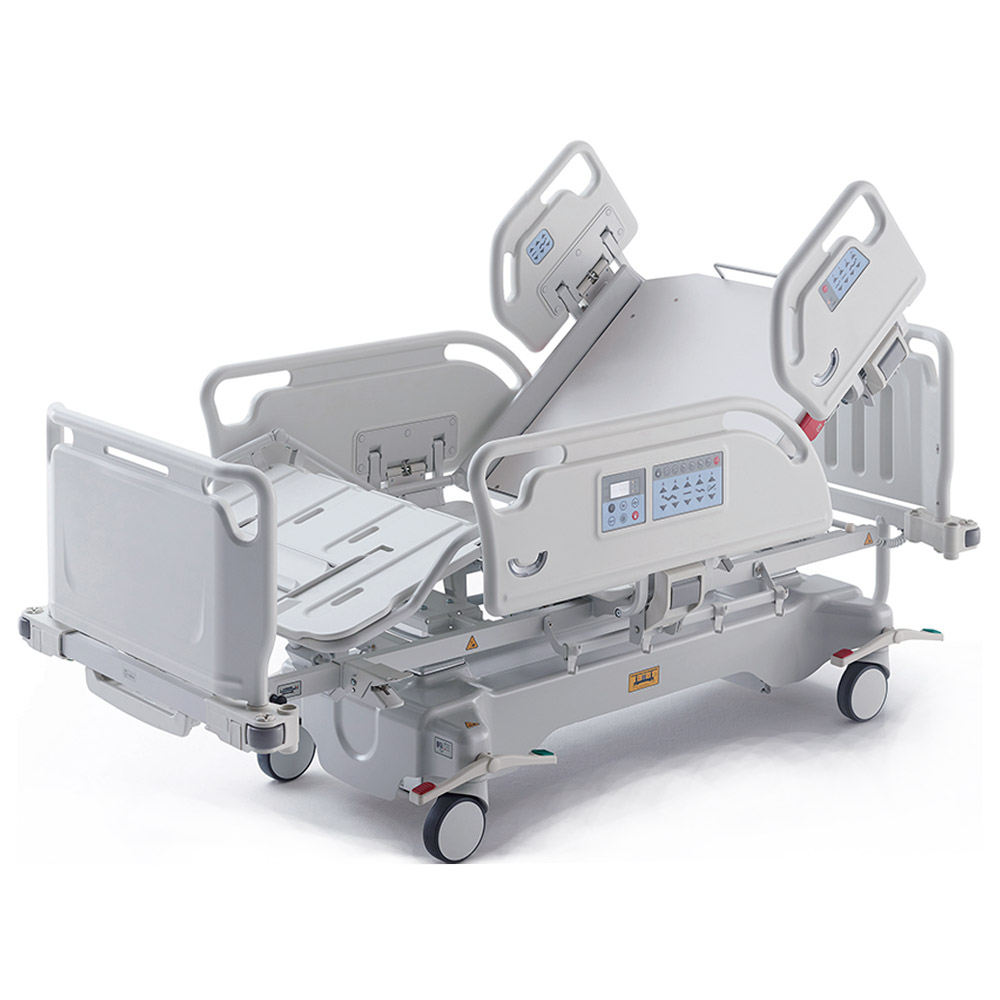
Height Adjustability and Safety Features
ICU beds offer high adjustability to help with complex medical procedures. Bed heights range between 16 and 33 inches (40.6 to 83.8 cm) for the mattress platform. Some models adjust from 57 to 82 cm. Wide height adjustment lets staff perform care, patient transfers, and resuscitation tasks at the best levels.
Weight Capacity
ICU beds have strong weight capacities for critical care needs. Most standard ICU beds support 500 to 550 pounds (227 to 249 kg). This capacity keeps the bed stable for heavier patients. It also supports medical equipment attached to the bed.
Space Allocation for ICU Beds
Space planning matters in ICUs. A minimum of 36 inches (91 cm) clearance on each side of the bed is needed. This lets medical staff move and respond fast. The recommended total area per ICU bed, including all necessary clearance and equipment, is 150 to 200 square feet (14 to 19 square meters). This space fits the bed and lifesaving equipment like ventilators and monitoring devices.
ICU beds are larger and more adjustable than standard hospital beds. They support higher weight limits and need more open space for better patient care and fast medical responses.
Summary Table: Medical Bed Dimensions Comparison
This table shows common medical bed sizes. You’ll find both standard and specialty options used in hospitals, home care, and bariatric settings. Look at these key dimensions to pick the right bed for patient care, space, and mobility needs.
|
Type of Medical Bed |
Width (inches) |
Length (inches) |
Width (cm) |
Length (cm) |
Notes |
|---|---|---|---|---|---|
|
Standard Hospital Bed |
36 |
80 |
91 |
203 |
Most common size, fits average adult |
|
Narrow Hospital Bed |
30 |
80 |
76 |
203 |
For limited space or smaller patients |
|
Queen Hospital Bed |
60 |
80 |
152 |
203 |
Larger sleeping area, less common |
|
King Hospital Bed |
76 |
80 |
193 |
203 |
Largest standard size, for extra space or shared use |
|
Bariatric Hospital Bed (Small) |
42 |
88 |
107 |
224 |
For heavier patients, increased width |
|
Bariatric Hospital Bed (Mid) |
48 |
94 |
122 |
239 |
Wider and longer for higher weight capacity |
|
Bariatric Hospital Bed (Large) |
54 |
94 |
137 |
239 |
Maximum width and length for bariatric needs |
|
Bariatric Hospital Bed (Extra Large) |
60–72 |
80–96 |
152–183 |
203–244 |
Custom sizes for extreme bariatric requirements |
|
Length Extension Kit |
— |
84 |
— |
213 |
Adds 4 inches to standard length |
|
Length Extension Kit |
— |
88 |
— |
224 |
Adds 8 inches to standard length |
|
Length Extension Kit |
— |
96 |
— |
244 |
Adds 16 inches to standard length |
Practical Tips for Selecting Medical Bed Dimensions
Measure the hospital ward room first.
Confirm what both patient and caregiver need. This includes transfer space and weight capacity.
Stick with safe, compatible mattress and bed frame combos. This gives you the best patient care.
