
What Is The Best Brand For Electric Wheelchairs?
The electric wheelchair market has several top manufacturers. Each one excels in different areas. Your ideal brand depends on your specific needs, not a universal answer.

Grace Medy leads in B2B reliability and global distribution. They operate in 100+ countries. This manufacturer serves distributors, hospitals, and care facilities. Their strength? Consistent chains, fast factory support, and custom solutions for bulk orders. Grace Medy knows electric
wheelchair buyers need more than specs. They need partners who deliver on time, control quality, and provide after-sales tech help.
Pride Mobility dominates North America with tough outdoor models. Their Jazzy series handles rough terrain well. Weight capacity goes up to 450 lbs. Medical equipment suppliers love Pride. Why? Strong warranty programs and easy-to-get replacement parts.
Permobil targets premium rehab markets. They offer advanced seating systems and controls you can program. Users with complex mobility needs rely on them. Physical therapy centers and clinics pick Permobil for heavy clinical customization, even at higher costs.
Invacare mixes low prices with European safety certs. Their compact indoor models fit assisted living facilities. Tight hallways and doorways? No problem.
Quantum Rehab focuses on power seating tech. Their iLevel system lets users rise to standing height. Great for people who want more independence in routine tasks.
Each brand serves different market groups. Your best pick matches your customers’ main needs. That could be bulk buying reliability, clinical features, budget efficiency, or special functions.
What is the best brand for electric wheelchairs? Your answer depends on what you prioritize—performance, budget, portability, or durability.
This guide breaks down the top five electric wheelchair brands that stand out in 2024. We compare their strengths across real-world criteria like maneuverability, weight capacity, battery life, and price points. You’ll find which brand fits your lifestyle needs and budget. This helps you make a confident decision without guesswork or buyer’s remorse.
Pride Mobility – Industry Leader in Performance and Reliability
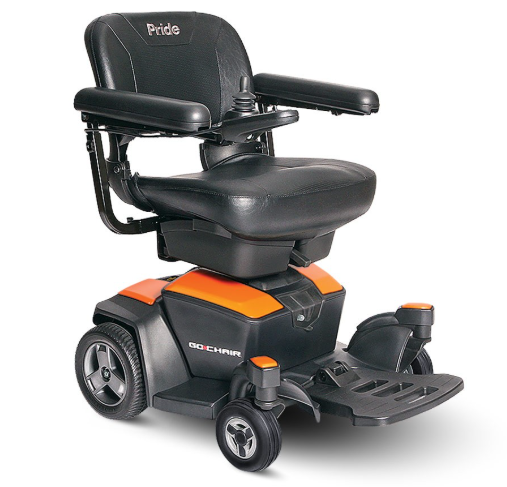
Pride Mobility has built its reputation over decades. They focus on motor power and terrain handling. Their electric wheelchairs use advanced electronic controls. You get smoother acceleration and braking than entry-level brands. This helps on slopes, gravel paths, and uneven sidewalks.
Built for Demanding Outdoor Environments
Pride’s strength is motor construction. Most Pride models use high-torque brushless motors. These motors keep steady speed on inclines up to 10 degrees. The suspension systems handle shocks from curbs and rough pavement better than budget options. Spend time outdoors at parks, shopping centers, or suburban areas? You’ll appreciate this durability.
Pride wheelchairs have smart battery management systems. They make energy use more efficient. Many models go 15-20 miles per charge in normal conditions. The batteries have thermal protection. This stops overheating during long use. Dealers get fewer emergency service calls because of this reliability.
B2B Considerations for Distributors
Pride offers strong brand value for wheelchair distributors. End consumers know the name. This speeds up your sales cycles. Their dealer network covers North America and parts of Europe. You get local repair services. This cuts down warranty problems for resellers.
The trade-off? Pride keeps strict pricing structures. Bulk discounts exist but stay limited. Compare this to manufacturers like Grace Medy who offer flexible MOQ negotiations. Customization options are restricted too. You can’t rebrand or modify components without difficulty. This cuts into chances for building your own product lines.
Replacement parts are easy to get. Joysticks, armrests, and battery packs ship fast from regional warehouses. Medical equipment suppliers need this after-sales support. Long repair downtimes aren’t an option for them.
Who Benefits Most from Pride Wheelchairs
Healthcare facilities trust Pride’s consistency. Hospitals and rehab centers stock their models. Staff already know the control interfaces. Training time goes down with similar systems across multiple units.
Target premium retail markets or government contracts? Brand reputation drives buying decisions in these spaces. Pride’s market position gives you a competitive edge. Yes, wholesale costs run higher. But the brand strength offsets this.
Grace Medy – Best Overall Value and Indoor Maneuverability
Grace Medy is a factory-direct electric wheelchair manufacturer. We focus on two main areas: indoor performance and B2B partnership flexibility. Tight hallways in nursing homes? Narrow doorways in older apartments? We design compact frames and responsive steering systems for these tight spaces.
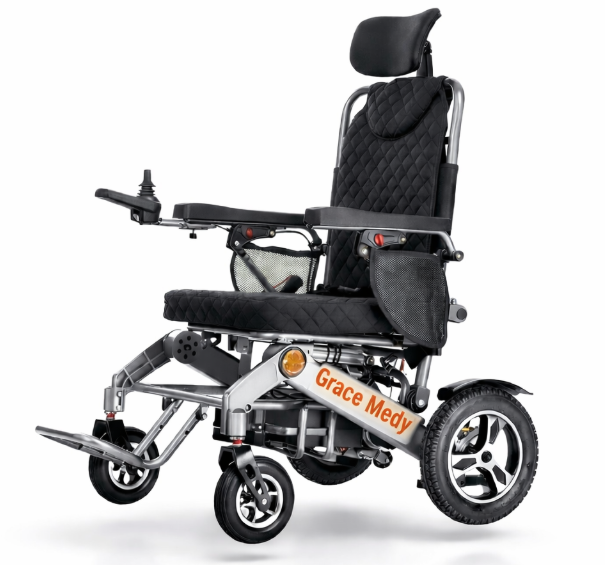
Grace Medy electric wheelchairs are built for easy use, comfort, and daily reliability. Most models use a foldable and lightweight frame, which makes them easy to carry and store. They fit well in car trunks and small spaces. The joystick control is simple and smooth. Users can turn and stop with little effort. The motors provide stable power for both indoor floors and outdoor paths. The wheels handle small bumps and gentle slopes well. The seat is soft and supportive. Armrests and backrests are adjustable for better comfort. High-quality batteries give a steady driving range for daily trips. Built-in safety systems, such as electromagnetic brakes and anti-tip wheels, improve user safety. Grace Medy focuses on strong structure and careful assembly. These wheelchairs are suitable for home, shopping, and outdoor travel. They help users move with more freedom and confidence.
B2B Advantages for Distributors and Resellers
Grace Medy’s real strength shows up in wholesale partnerships. We provide OEM and private label services. You can build your own wheelchair brand. No factory investment needed. You control branding, packaging design, and market positioning. We handle production, quality checks, and component sourcing.
Minimum order quantities stay flexible. Smaller distributors entering new markets appreciate this. Compare this to established brands with rigid 100+ unit minimums. Grace Medy works with initial orders as low as 20-50 units. This depends on how much customization you need.
Our production runs stable year-round. Standard configurations take 25-35 days to produce. Custom color schemes or modified armrests add 10-15 days. Emergency restocks ship faster through priority scheduling. Medical equipment suppliers restocking after busy seasons count on this quick response.
Long-Term Support Infrastructure
Spare parts availability sets real partners apart from short-term suppliers. Grace Medy keeps component inventory for discontinued models up to 5 years after production ends. Joystick controllers, battery connectors, and motor assemblies stay in stock. Your customers won’t hear “model obsolete, no parts available” after three years.
We hold FDA, CE, and ISO 13485 certifications. This documentation speeds up approvals in different markets. Distributors entering Europe or North America save months on paperwork. Factory audits already passed. Test reports come ready for submission.
Pricing sits 15-25% below similar indoor models from Pride or Invacare. Volume discounts start at 50 units, then again at 200+ units. Resellers keep healthy margins even in tough retail markets. Budget-focused facilities like assisted living centers get quality mobility equipment. No premium brand markups.
Grace Medy targets distributors who want control over their market strategy. You’re not just reselling someone else’s brand. You’re building your own product line with factory backing.
ComfyGo – Lightweight Travel Champion
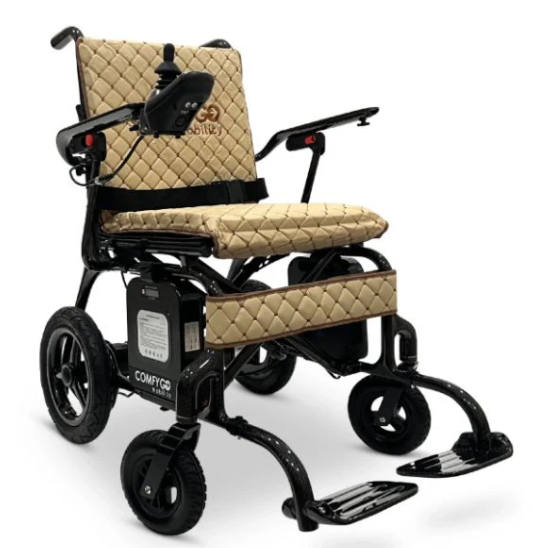
ComfyGo builds electric wheelchairs with one goal: make them portable. Their product lineup weighs 35-50 lbs per model. You can lift these wheelchairs into car trunks alone. The frames fold in 3-5 seconds. Quick-release hinges do the work. No tools needed. Press a button. The backrest collapses. The seat platform folds. This compact size fits in airplane overhead bins or small car storage spaces.
Designed for Frequent Travelers
Airport rules shape how ComfyGo designs their chairs. Their batteries meet FAA air travel rules. Most models use lithium-ion packs under 300 watt-hours. Airlines accept these without extra paperwork. Business travelers and vacationers skip the hassle of medical forms or advance notices.
The frames use aircraft-grade aluminum alloys. This keeps them light but strong for regular use. Weight capacity maxes out at 220-265 lbs across their range. Pride’s models hold 450 lbs. Grace Medy’s standards support 300 lbs. The trade-off is clear—you get portability, not heavy-duty strength.
B2B Market Positioning
ComfyGo targets wheelchair retailers who sell online and direct to customers. Their products look good in web catalogs. Marketing highlights travel freedom and independence. Active seniors love this message. So do people who refuse to stay home.
Wholesale prices stay competitive for portable chairs. Resellers earn good margins. Customers pay more for travel convenience. The challenge? These lighter models get returned more often. Users underestimate their mobility needs. Someone buying for constant indoor use picks a travel chair. Then they find it wobbles on carpets or feels too delicate.
ComfyGo handles after-sales support through their customer service team. Distributors get less direct factory access than with makers like Grace Medy. Replacement parts ship from U.S. warehouses. The selection covers common items like batteries and controllers. Special frame parts take longer to get.
ComfyGo works well for specific markets. Vacation rental companies use them. Travel agencies serving seniors stock them. Retail shops near airports or tourist spots carry them. Your customers value packing ease over all-day tough performance? This brand gives them what they want.
Merits Health – Budget-Friendly Heavy-Duty Options
Merits Health fills a gap that big manufacturers miss. They build electric wheelchairs for bariatric users and people who need strong motors at fair prices. Weight capacities start at 300 lbs. Some models handle 450+ lbs. The motors give steady power on outdoor ground. Wholesale costs run 20-30% less than similar heavy-duty models from Pride or Permobil.
Strength Where It Counts Most
Merits builds with reinforced frames and bigger parts. Steel tubing goes into high-stress joints. Seat platforms run 20-24 inches wide. Standard models measure just 18 inches. Armrests spread wider apart. Footrests sit lower and spread weight better. Users above 250 lbs often find regular wheelchairs too tight or wobbly. These design details solve that problem.
Most models use two batteries. Two 12V batteries team up for longer trips. You get 12-18 miles per charge, even with heavy loads. The motors keep speed on hills that slow down lighter chairs. Parks work fine. Shopping centers too. Uneven sidewalks don’t drain your battery fast.
B2B Trade-Offs for Resellers
Wheelchair distributors like the value here. You can sell heavy-duty performance at middle-range prices. This creates chances in markets others skip. Bariatric care facilities run tight budgets. They need gear that holds 350+ lb residents each day. Merits fills orders that premium brands make too expensive.
Product variety stays limited though. Merits sticks to core heavy-duty models. Color choices run thin. Customization stays basic. Control panels keep it simple. Grace Medy does OEM work and private labels. Merits skips those options. You sell their catalog as-is. No custom branding. No special specs.
Parts come at a decent pace but not fast. Joysticks and batteries ship on normal schedules. Special frame pieces or unique electronics take more time. Some resellers stock extras to handle quick fixes.
Merits Health fits distributors who serve clear markets. Medical supply companies stock these for bariatric clinics. Recreation programs for plus-size people pick them too. Need affordable heavy-duty mobility for your customers? Merits gives you solid performance without the luxury price tag.
VEVOR – Best Entry-Level Budget Choice
VEVOR cuts mobility equipment down to basics. Their electric wheelchairs skip advanced features and premium parts. This drops retail prices 40-50% below established brands. Basic joystick controls. Standard battery packs. Simple steel frames. You get working mobility without extras.
Target Markets for Budget-Conscious Buyers
VEVOR chairs work best for short-term needs. Recovering from surgery? Taking occasional outdoor trips? These fit their product range. The motors handle flat ground and gentle slopes. Battery life runs 8-12 miles per charge. Weight capacity sits around 220-265 lbs across most models.
Online retailers move VEVOR stock fast. The low price draws first-time wheelchair buyers testing the market. E-commerce sites show strong sales. Customers spot cheap mobility tools. They click buy without deep research.
Rental businesses use VEVOR for vacation spots and event services. Someone needs mobility gear for a weekend wedding. A tourist wants help exploring a theme park. VEVOR chairs handle these light uses. Rental companies recover their cost in 15-20 rentals. Premium brands take twice as long.
B2B Limits for Serious Distributors
After-sales support runs thin. VEVOR works through third-party sellers. Direct factory contact stays limited. Parts ship slow. Special parts might vanish after 2-3 years. Grace Medy commits to 5 years of parts inventory.
Custom options don’t exist. No OEM services. No private labels. No custom colors or changed specs. Wheelchair distributors building their own brand won’t find partners here.
Quality shifts between production batches. Some units arrive perfect. Others need fixes out of the box. Resellers face more customer complaints than mid-range makers. Budget buyers accept this. Medical centers and long-term care providers skip these risks.
VEVOR serves price-focused markets. College students recovering from injuries buy them. Families on tight budgets choose them. Event rental companies stock them. Your customers put saving money over long-term reliability? VEVOR gives working mobility at rock-bottom wholesale prices.
How to Choose the Right Brand for Your Specific Needs
Your business goals matter more than product specs. Selling to retirement communities? You need different partners than an online store shipping to homes. Match what the maker does best to what your customers expect.
Map Your Customer Demographics First
Find out who uses your electric wheelchairs. Nursing homes need sturdy indoor models. Staff must maintain them with ease. Travel agencies serving active seniors want lightweight folding options. Bariatric clinics need reinforced frames with 400+ lb capacity. Each customer group has specific needs. Pick brands that excel in your core market. Don’t try to serve everyone.
Budget levels split markets too. Government-funded facilities work with fixed allowances. They focus on cost per unit and parts availability. Premium features come second. Private buyers with extra income pay more for comfort tech and custom colors. Know which price tier drives your sales volume.
Evaluate Supply Chain Flexibility
Minimum order quantities affect your cash flow. They also create inventory risk. Big brands like Pride enforce strict MOQs—often 100+ units per SKU. New distributors can’t commit that much capital upfront. Some makers offer flexible MOQs around 20-50 units. You can test markets before scaling. Grace Medy structures orders this way for growing resellers.
Lead times matter during peak seasons. Hospital expansions create demand spikes. So do insurance reimbursement cycles. Can your supplier rush production? Standard 30-day production works most months. Emergency orders taking 45+ days? You lose contracts. Ask about priority scheduling before you sign agreements.
Check Partnership Infrastructure
OEM and private label options separate contract makers from strict brand licensors. Building your own wheelchair brand needs factory partners. They customize frames, controllers, and packaging. This brand ownership boosts margins 15-30% compared to reselling known names. Grace Medy provides full OEM services. You control market positioning. We handle production details.
After-sales support protects your long-term revenue. Parts available for 5+ years keep customers from leaving. Direct factory access beats third-party service networks. You solve tech problems faster. Warranty claims through the maker? Resolution drops from weeks to days.
Quality certifications open regulated markets. FDA approval speeds U.S. hospital sales. CE marking unlocks European distribution. ISO 13485 certification proves consistent production. Verify documentation exists before you buy inventory. Recertification costs fall on you otherwise.
The right electric wheelchair manufacturer aligns with your growth strategy. Not just your current product needs.
