
Choosing the wrong material for a wheelchair ramp isn’t just a costly mistake — it can be a dangerous one. Setting up a safe entryway for an aging parent, outfitting a home for long-term accessibility, or sourcing equipment for a medical facility — the material you pick shapes daily safety and how long the ramp holds up. Aluminum, wood, concrete, steel — each comes with its own trade-offs. What works well in one situation can fall flat in another. This guide cuts through the confusion. Stop second-guessing and start making a decision you’ll feel confident about.
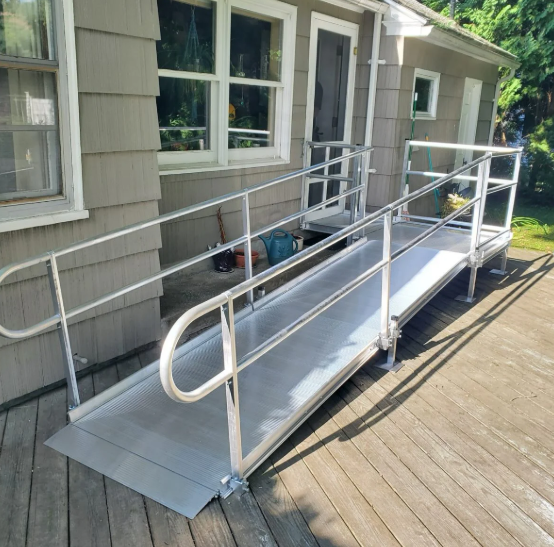
What Is The Best Material For A Wheelchair Ramp?
There’s no single right answer — and that’s the point.
A ramp that works great on a sunny California porch may crack and warp under the freeze-thaw cycles of a Minnesota winter. A setup that fits a temporary home use could fall short at a busy rehabilitation clinic that sees dozens of patients a day. The best material is the one that matches your specific situation — your climate, your budget, your user’s needs, and how long you need the ramp to last.
Most ramps fall into four core material categories:
Aluminum — lightweight, rust-resistant, and low-maintenance. It’s the top choice for both portable and permanent installs.
Wood — affordable and easy to customize. It needs regular upkeep to stay safe and hold its structure over time.
Concrete — built to last and great for permanent commercial or residential builds. It costs more and can’t be moved once it’s in place.
Steel — handles heavy loads well. Without proper treatment, it will rust.
Each material has its own strengths, limits, and best use cases. Manual wheelchair users, power chair users, and caregivers all use a ramp in different ways. You’re not just picking a material. You’re picking a daily experience for someone who counts on it.
The sections ahead break down every variable that matters.
Why Aluminum Wins for Most People
Aluminum has become the default choice for wheelchair ramps — and for good reason.
It’s not trend-driven. It’s practical. Aluminum holds up against rain, humidity, and temperature swings. No rusting. No warping. You install it once, and it doesn’t demand much after that. No seasonal sealing. No repainting. No watching it fall apart through a wet winter.
Weight capacity matters too. A heavy-duty power wheelchair puts real stress on a ramp. Aluminum handles both manual wheelchair users and heavier electric wheelchair users without issue. That makes it useful across the board — not just for one type of user.
Then there’s portability. Concrete and wood stay put. Aluminum modular ramp systems don’t. You can reconfigure them or move them to a new location. Someone moves house — the ramp goes with them. That kind of flexibility has real value.
Where Aluminum Shows Up
You’ll find it everywhere — and that says a lot. Homes, hospitals, rehabilitation centers, and public buildings all choose aluminum. They need a portable or permanent wheelchair ramp that checks the most boxes at once. Aluminum does that consistently.
✅ Rust-resistant and weather-tolerant
✅ Meets substantial ramp weight capacity requirements
✅ Low maintenance over the long term
✅ Compatible with ADA compliant ramp specifications
✅ Available in both modular and threshold configurations
For most people, aluminum isn’t a compromise. It’s the clear answer.
Aluminum Wheelchair Ramps: The Gold Standard for Home & Outdoor Use
Walk into almost any home modification supply store, rehabilitation center, or hospital loading bay. You’ll notice one thing: aluminum ramps are everywhere. That kind of popularity doesn’t happen by accident.
This material earns its place by solving problems that other materials can’t. And it does it without asking much in return.
Built Light, Built Strong
Here’s something that surprises a lot of people: aluminum is much lighter than steel or concrete. Yet it’s strong enough to carry the full load of a heavy power wheelchair or mobility scooter. That combination — low weight, high strength — is rare in building materials. It’s exactly what makes aluminum so practical for ramps.
Because it’s light, two people can carry and set up a modular aluminum ramp system in an afternoon. No heavy equipment. No contractor on a three-week waiting list. No tearing up a doorway to make it work. For homeowners who want real accessibility without a full construction project, that ease of setup is a big deal.
Outdoor Conditions Don’t Touch It
Steel rusts. Wood warps. Concrete cracks under freeze-thaw pressure. Aluminum just… sits there, season after season, doing its job.
Rain, humidity, and temperature shifts leave almost no mark on a well-made aluminum wheelchair ramp. After years of outdoor exposure, the surface stays solid and safe. Live in a wet climate — the Pacific Northwest, a coastal region, anywhere with hard winters? That weather resistance isn’t a bonus. It’s essential.
Maintenance That Barely Exists
The real upkeep routine for an aluminum ramp? Rinse it off now and then. That’s it.
No seasonal sealing like wood. No rust treatment like steel. No professional inspection every few years. That low-maintenance reality makes aluminum a smart long-term buy. This matters most for caregivers who already have a full plate — the last thing you need is ramp maintenance added to it.
For a non-slip ramp surface, most aluminum ramps include built-in textured grating or grip strips. Safety is part of the design from day one, not something tacked on later.
Wood Wheelchair Ramps: The Budget-Friendly Option With Trade-Offs
Wood has a real appeal that’s hard to argue with. It’s familiar, it’s easy to work with, and it costs less upfront than almost anything else on the market.
For homeowners on a tight budget, that lower price point is hard to ignore. A basic wooden ramp takes standard lumber and a few hours of weekend work. No specialist contractor needed. No waiting around. Got an unusual entrance shape or an awkward doorway angle? Wood fits the problem. You cut it, shape it, adjust it on the spot. Aluminum modular systems can’t do that.
But the savings come with a catch.
The Hidden Cost of Wood
Wood is porous. Moisture gets in — and once it does, the clock starts ticking. Boards swell. Surfaces turn slippery. Over months or years, rot builds up beneath the surface. Insects move into weakened grain. What started as a cheap fix starts eating into real money just to stay functional and safe.
Maintaining a wooden wheelchair ramp isn’t optional. It means:
Sealing and repainting every season or two
Inspecting boards on a routine basis for soft spots, cracks, or warping
Replacing damaged sections before they become hazards
For someone using a manual wheelchair or a heavier electric wheelchair, a worn-out surface isn’t just annoying — it’s a fall risk.
Wood holds up well as a short-term or low-traffic fix, especially in dry climates with covered entrances. But long-term safety and a non-slip ramp surface cost more to maintain than most people expect. That ongoing upkeep often closes the price gap faster than the numbers first suggest.
Concrete Wheelchair Ramps: Maximum Durability for Permanent Installations
Concrete doesn’t ask for much attention. It just stands there, decade after decade. Heavy foot traffic, harsh weather, medical transport equipment, power wheelchairs — it takes all of it without flinching.
That kind of reliability is why hospitals, schools, public buildings, and commercial facilities choose concrete for permanent accessibility. These aren’t quiet, low-traffic spaces. They’re busy environments where a ramp failure affects real people every day.
Built for the Long Haul
A solid concrete ramp carries serious weight without strain. Electric wheelchairs, mobility scooters, medical transport equipment — concrete handles them all. The structure stays put. No flexing, no shifting underfoot. That stability is critical in locations where dozens of people use the ramp daily.
A concrete ramp installed correctly can last 30 to 50 years with little maintenance needed. No wooden or aluminum ramp comes close to that lifespan.
The Trade-Off Worth Knowing
Permanence is concrete’s greatest strength — and its biggest limitation.
Once it’s poured and set, it doesn’t move. Want to reconfigure it? That means jackhammers and construction crews. Installation requires professional labor from the start, which pushes costs well above other materials. For most private homeowners, that mix of high cost and zero flexibility points them toward other options.
Concrete works best at scale — large facilities, public infrastructure, and commercial builds where long-term durability justifies the upfront expense.
Steel Wheelchair Ramps: High-Load Capacity for Heavy-Duty Demands
Steel earns its place in environments where nothing else will do.
Hospitals managing bariatric patients. Warehouses moving equipment around the clock. Transport loading bays where heavy motorized chairs roll in and out all day. These aren’t places where aluminum or wood gets the call. They need something stronger — and steel delivers.
Strength That Stands Apart
Steel beats aluminum on raw load capacity. Aluminum handles most home and clinical needs well. But steel is built for the extreme end — bariatric wheelchairs, heavy mobility scooters, industrial transport equipment. Serious weight demands? Steel handles them.
That structural strength also means a longer lifespan. A well-maintained steel ramp holds its shape under repeated heavy use, year after year. For high-traffic commercial or industrial settings, that kind of durability is what the job demands.
The One Problem You Can’t Ignore
Steel has a weakness that aluminum doesn’t — rust.
Expose untreated steel to moisture and the damage starts slow, then spreads fast. Protective coatings slow it down. But they don’t remove the need for regular inspection and upkeep. In wet or coastal climates, that maintenance load is real and never stops.
For most home users, that trade-off doesn’t make sense. But in heavy-duty settings where load capacity is the top priority, steel is a legitimate choice — and sometimes the sole option that works.
Head-to-Head Comparison: Aluminum vs Wood vs Steel vs Concrete
Four materials. Four very different stories. Put them side by side, and the differences become clear fast.
|
Material |
Strength |
Maintenance |
Weather Resistance |
Installation |
|---|---|---|---|---|
|
Aluminum |
High |
Low |
Excellent |
Easy |
|
Wood |
Medium |
High |
Poor to Moderate |
Easy |
|
Steel |
Very High |
Medium |
Moderate |
Moderate |
|
Concrete |
Exceptionally High |
Very Low |
Excellent |
Complex |
The table tells most of the story — but not all of it.
What the Numbers Don’t Say
Wood and aluminum both go up with ease. That one shared trait can make them look interchangeable on paper. They’re not. Aluminum asks for almost nothing once it’s in place. Wood keeps asking — for sealing, for inspection, for board replacements. Those ongoing costs add up in both time and money. The savings that first made wood appealing tend to disappear faster than you’d expect.
Concrete and aluminum both hold up well against weather. But concrete is fixed. It stays put — no adjustments, no relocating, no flexibility. Life changes. People move. Needs shift. Living arrangements evolve. An aluminum modular ramp system moves with those changes. Concrete never does.
Steel carries more raw weight capacity than any other option here. For bariatric equipment or industrial-grade ramp weight capacity demands, that strength matters a lot. In a home setting, though, that extra capacity doesn’t justify the rust management and the heavier installation process.
The Honest Verdict
For the widest range of users — home accessibility, clinical settings, portable wheelchair ramp needs, ADA compliant ramp requirements — aluminum delivers the most balanced performance. Not the cheapest upfront. Not the absolute strongest. But it holds up across every dimension that matters in real, day-to-day use. That kind of all-around reliability is hard to beat.
Best Wheelchair Ramp Material by Use Case: Find Your Perfect Match
Material choice gets real the moment you think about the actual person using the ramp — their chair, their routine, the doorway they cross every morning.
That picture changes everything. Here’s how each material fits real situations.
For Home Use
Aluminum is the clear answer. No construction crew needed. It works for both manual and power wheelchair users. Maintenance is low, and most homeowners are satisfied once it’s in place.
For Temporary or Travel Needs
A portable wheelchair ramp made from aluminum is built for this purpose. It’s light enough to lift on your own. Easy to fold and stow in a vehicle. Sturdy enough to trust on the road. A family visit, a medical appointment, a week away from home — it goes wherever the person goes.
For Tight Budgets
Wood is a solid option with limited funds and low foot traffic. Go in with clear expectations, though. The lower upfront cost comes with ongoing sealing, inspections, and board replacements over time. A dry climate, a covered entrance, a short-term need — those conditions make wood a reasonable pick.
For Public Buildings and Commercial Facilities
Concrete earns its place here. It handles heavy foot traffic, tough weather, and long institutional timelines with ease. An ADA compliant ramp in a public space must hold up for decades, not just a few seasons. Concrete is built for that kind of permanence.
For Heavy-Duty Environments
Steel steps up where bariatric equipment or industrial-grade ramp weight capacity is a must. Other materials hit their limit fast in these settings. Steel is a specialized choice — but in the right environment, it’s the one material that holds without compromise.
Conclusion
Picking the right wheelchair ramp material goes beyond a simple purchase. It’s a safety choice that affects someone’s independence every day.
For most homes, aluminum wheelchair ramps are the top pick. They’re lightweight, weather-resistant, and low-maintenance. Plus, they meet ADA standards straight away. Wood works well for tighter budgets, though it needs regular upkeep. Concrete and steel are better fits where you need a permanent setup or heavy load capacity.
