
What Is the Difference Between Manual and Electric Wheelchairs?
Manual and electric wheelchairs differ in four key ways: power source, user needs, price, and best use locations.
Power Source and Operation
Manual wheelchairs need your physical strength. You push the wheel rims with your hands. Or someone pushes you from behind. Electric wheelchairs run on rechargeable batteries. You control them with a joystick. A single charge lasts 8-20 miles based on the model.
Physical Requirements
Manual models need good upper body strength and endurance. Can’t push yourself? You’ll need help. Electric wheelchairs work well for users with weak arms. They also suit people with ongoing health issues or those who travel long distances each day.
Cost Differences
Manual wheelchairs cost $100-$2,000. Electric models start at $500. Some go beyond $5,000 for extra features. Plan to spend $300-$800 every 1-2 years on new batteries for powered chairs.
Portability and Weight
Most manual wheelchairs weigh 25-40 pounds. They fold flat for car transport. Electric wheelchairs weigh more pounds. You need vehicle lifts or accessible vans to move them.But some electric wheelchair can also fold.
Maintenance Needs
Manual chairs need basic care. Check tire pressure. Replace parts now and then. Electric models need more attention. Battery care, motor service, and electronic system checks are required.
Manual Wheelchairs: Core Features and Operation
Manual wheelchairs run on human power—yours or a caregiver’s. Learning how they work helps you decide if this fits your physical abilities and lifestyle.
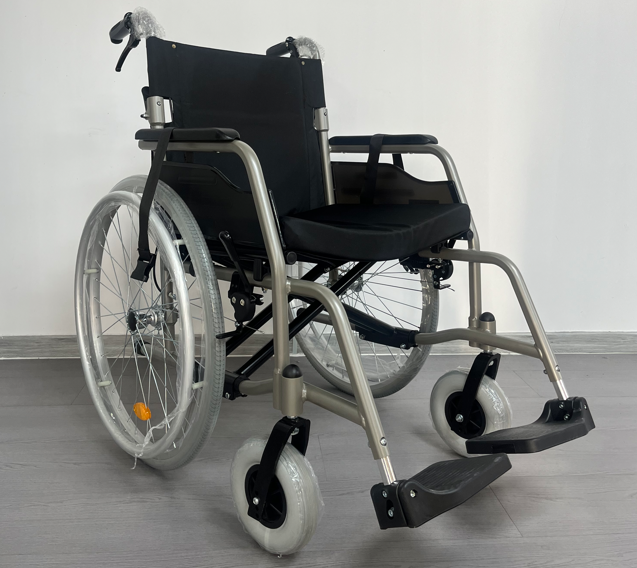
Three Key Design Elements
Lightweight Construction Materials
Manual wheelchairs use aluminum or titanium frames. These materials keep total weight between 25-40 pounds. The lighter design does two things. First, it cuts down the energy you need for each push. Second, it makes lifting the chair into vehicles easier. High-end titanium models weigh as little as 15 pounds.
No-Power Mechanical System
You won’t find batteries, motors, or charging ports on manual wheelchairs. The wheel system uses a simple design. Large rear wheels attach to hand rims. These are metal or plastic circles just outside the wheels. Push these rims forward to move ahead. Pull them backward to reverse. This basic setup means fewer parts that can break.
Customizable Fit Options
Manual wheelchairs fit different body types and needs. You can adjust seat width from 16 to 24 inches. Backrest angles tilt from upright to reclined positions. Wheel sizes change based on where you use it. Indoor models often have smaller wheels for tight turns. Outdoor versions feature larger wheels. They handle rough surfaces better.
How You Operate Them
Moving yourself needs steady upper body strength. Your arms, shoulders, and core do the work. Grip both hand rims and push at the same time for straight movement. Push one side harder to turn. Can’t do this? A caregiver stands behind and pushes using handlebar grips. Some users mix both methods. They move themselves on flat surfaces. They get help on slopes.
Electric/Power Wheelchairs: Core Features and Operation
Battery-powered motors do the work in electric wheelchairs. No muscle power needed. These motorized units change everything for users who can’t push themselves or get tired fast from manual pushing.
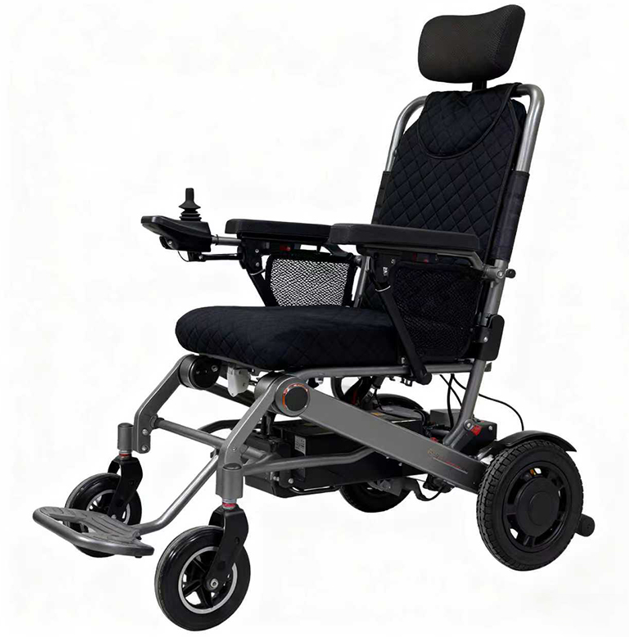
Three Core Components
Rechargeable Battery Systems
Electric wheelchairs run on 12V or 24V battery packs. Most models travel 8-20 miles per charge. This depends on user weight, terrain type, and speed settings. Charging takes 6-8 hours overnight. Batteries last 1-2 years with regular use. Replacement costs hit $300-$800 per set. Budget for this key long-term expense.
Electric Motor Drive
Dual motors power the rear wheels separately. This setup gives you smooth speed-up and tight turning. Motor output ranges from 200-600 watts total. Higher wattage handles outdoor slopes better. Rough surfaces too. The system stops automatically once you release the joystick. You won’t roll backward on hills.
Joystick Control Interface
A small joystick sits on the armrest. The right side in most cases. Push forward to move ahead. Pull back to reverse. Tilt left or right to turn. Speed adjusts through dial settings. Can’t use your hands? Other controls exist. Chin-operated joysticks work well. Head arrays too. Sip-n-puff systems help users with severe upper body limits.
Advanced Comfort Features
Many electric models offer tilt-in-space functions. The entire seat tilts backward. Your hip angle stays the same. This eases pressure points during long sitting. Reclining backrests adjust from upright to flat positions. Elevating leg rests cut down swelling. Power seat lifts raise you 10-12 inches. You get eye-level talks and high shelf access. These positioning options stop pressure sores. They boost freedom for users who sit 8+ hours each day.
Weight, Portability and Transportation Comparison
Moving your wheelchair affects your freedom each day. Manual and electric models have big weight differences. This creates real challenges you need to plan for.
Manual Wheelchair Transport Advantages
Folding takes seconds. Most manual chairs collapse flat with one or two quick motions. The frame drops to 10-12 inches wide. This slim profile fits in car trunks, behind front seats, or overhead bins on planes. Standard models stay under 40 pounds total. Ultra-light versions hit just 15-20 pounds. One person lifts them without help. No vehicle changes needed.
Manual chairs work best for active lifestyles. Got frequent doctor visits? Shopping trips? Weekend getaways? Just fold and go. They slide into taxi trunks. They fit on bus wheelchair racks. Train travel causes zero hassle. The compact size means you keep using regular vehicles. Your sedan works fine.
Electric Wheelchair Transport Challenges
Battery packs and motors add serious bulk. Entry-level power chairs weigh 100-150 pounds. Heavy-duty outdoor models reach 300-400 pounds total. Breaking them into parts helps some. Remove the battery pack. Take off the seat. You still handle 50-80 pound sections. Not everyone has that strength.
Most users need vehicle upgrades. Wheelchair lifts cost $1,000-$3,000 installed. Accessible vans start at $15,000 used. New conversion vans hit $40,000-$80,000. Airlines handle power chairs as checked items. You transfer to an aisle chair for boarding. The airline staff loads your chair in cargo. Damage happens sometimes. Flight delays can drain your battery.
Some newer electric models fold on their own. These travel chairs weigh 50-80 pounds complete. They split into lighter pieces. The trade-off? Less battery range. Smaller weight capacity. Lower top speeds than full-size power wheelchairs.
Cost Analysis: Purchase Price and Long-Term Expenses
Budget planning matters as much as picking the right wheelchair type. The sticker price tells part of the story.
Initial Purchase Price Ranges
Manual wheelchair costs span a wide spectrum. Basic models start at $100-$300 for standard hospital-style chairs. Mid-range options with better cushioning and adjustable features run $500-$1,200. High-performance ultra-lightweight titanium frames for active users reach $1,500-$2,500. Custom-fitted sport wheelchairs push beyond $3,000.
Electric wheelchair pricing jumps much higher. Entry-level power chairs begin at $500-$4,000. Standard models with basic features cost $4,000-$8,000. Mid-tier options offer tilt functions and better battery range. These hit $8,000-$15,000. Advanced units come with elevating seats, off-road capability, and standing features. They climb to $20,000-$30,000. Specialized pediatric or bariatric power wheelchairs often exceed these ranges.
Long-Term Operating Costs
Manual chairs need minimal ongoing investment. Budget $50-$150 per year for tire replacements and basic tune-ups. Cushion replacements every 2-3 years add $100-$400 depending on quality. Total five-year ownership costs seldom exceed $1,000 beyond the initial purchase.
Electric wheelchairs demand recurring expenses. Battery packs wear down with use. Expect replacement every 12-24 months at $300-$800 per set. Maintenance contracts run $200-$500 per year. Joystick repairs cost $150-$400. Motor servicing hits $300-$600 as needed. A five-year ownership period adds $3,000-$5,000 in operating costs.
Physical Impact: Energy Use and Health Effects
Your wheelchair choice affects your energy levels and long-term health. Each type puts different demands on your body.
Manual Wheelchair Physical Demands
Every push works your upper body muscles. Arms, shoulders, chest, and core all engage with each movement. Users with good strength get real exercise value from this. Self-propelling for 30 minutes burns 120-150 calories. That’s the same as moderate walking. Regular use builds shoulder endurance and grip strength over time.
But there’s a downside for some users. Pushing over and over strains rotator cuff muscles. Studies show 50-70% of long-term manual wheelchair users develop shoulder pain within 5 years. Hand rim contact causes wrist injuries. Pushing uphill or across carpet takes intense effort. Energy drains fast. Users with arthritis, limited arm function, or low stamina face these challenges every day. They often need caregivers for outdoor trips.
Electric Wheelchair Health Trade-offs
Battery power removes all physical strain. No shoulder stress. No muscle fatigue. You conserve energy for things that matter—work, hobbies, social time. This is vital for people with progressive conditions like MS or ALS. Saving energy keeps quality of life high.
The concern? Less movement each day. Sitting 8-12 hours without active propulsion cuts calorie burn by a lot. Muscle weakness develops faster without regular upper body use. Weight management gets harder. Physical therapists recommend extra exercises. Arm raises, resistance bands, or adaptive sports help. These activities counter the sedentary effects. Plus, you still keep the mobility benefits electric chairs provide.
Independence and Lifestyle Impact Comparison
Your wheelchair becomes your legs. How it moves shapes what you can do each day, where you can go, and how much help you need from others.
Manual Wheelchairs: Active Independence with Limits
Manual chairs give you direct control. You have the strength. You decide to stop, turn, or speed up. No motors to wait for. No charging schedules. No battery anxiety during long outings. This freedom works well for users with solid upper body function.
Tight indoor spaces become easier. Manual wheelchairs measure 24-26 inches wide on average. They pivot fast in small bathrooms, restaurant aisles, and crowded stores. Doorways under 30 inches? You navigate them without backing up multiple times. Transferring to car seats, beds, or toilet seats happens faster. The lightweight frame moves out of the way in seconds.
Distance creates barriers. Pushing yourself across a large grocery store drains energy. Outdoor terrain—gravel paths, grass, slight hills—takes more effort. Manual wheelchair users often limit trips to save strength. Social events at parks or malls become “too much work.” Rainy days? Almost impossible to keep moving while holding an umbrella. You often need a companion for longer journeys.
Electric Wheelchairs: Extended Range with Space Trade-offs
Battery power removes distance as a limit. Users travel 3-5 miles on errands without fatigue. Parks, shopping centers, and outdoor events become open again. No need to ask friends for pushing help. You keep pace with walking companions.
This freedom extends to tough terrain. Electric motors climb 10-degree ramps with ease. They handle sidewalk cracks and outdoor surfaces manual users struggle with. Speed settings let you match different situations—slow indoors, faster on open paths.
The size creates new challenges. Most power chairs measure 26-28 inches wide. Add the joystick and you need 30+ inch clearances. Older buildings with narrow hallways pose problems. Small apartment bathrooms need careful positioning. Restaurant tables, store displays, and home furniture feel more cramped. Some users keep a manual chair at home for tight indoor use. They switch to their power chair for community outings.
Your lifestyle patterns determine which limit matters more: physical stamina or space limits.
Indoor vs Outdoor Performance Analysis
Floor type and terrain change how each wheelchair performs. Your routes—home hallways, office spaces, park paths—determine which model works better.
Manual Wheelchairs Excel on Smooth Indoor Surfaces
Linoleum, hardwood, and tile floors work best for manual chairs. The wheels roll with little resistance. Each push moves you forward. Kitchen spaces measuring 8-10 feet wide give you enough room to turn without backing up. Bathroom doorways at 32 inches let you enter straight through.
Carpet adds friction that drains energy fast. Standard home carpet needs 20-30% more push force per wheel rotation. Thick pile carpeting doubles that effort. Your arms tire within minutes. Small ¾-inch room transitions require you to build speed. You often back up for a running start.
Outdoor terrain creates serious obstacles. Gravel driveways scatter your wheels sideways. You lose forward motion with each push. Grass deeper than 2 inches stops most manual wheelchairs. Sidewalk cracks over ½-inch wide catch front casters. This risks tipping you forward. Rain-wet surfaces cut wheel traction by 40%. Slight inclines under 5 degrees demand intense upper body effort.

Electric Wheelchairs Dominate Outdoor Challenges
Motors generate 200-600 watts of power. This pushes through resistance that stops manual chairs cold. Grass up to 4 inches tall? Your electric wheelchair keeps full speed. Gravel paths and dirt trails become accessible. The weight—100+ pounds pressing down—gives tire contact that grips loose surfaces.
Curb-climbing features on mid-range models clear 2-3 inch obstacles. You approach at proper angles. The motor lifts the front casters. Then it drives the rear wheels up and over. You can travel 2-5 miles on shopping trips without getting tired.
Indoor navigation suffers from size issues. That 28-inch width needs 34+ inches of clearance for safe turning. You’ll back up often in tight spaces. Joystick input takes 0.5 seconds before movement starts. Quick position adjustments near furniture or in crowded areas require patience.

Decision Framework: Which Wheelchair Type Fits Your Needs?
Four simple questions help you pick the right wheelchair for your situation.
Check Your Upper Body Strength
Can you push yourself for 15-20 minutes without stopping? Do your shoulders, arms, and hands handle repetitive motion without pain? Manual wheelchairs need this basic fitness level. Test it now. Push a shopping cart around a large store. Notice when you get tired. That’s your real endurance marker.
Weak arms or shoulder injuries? An electric wheelchair makes more sense. MS, ALS, or bad arthritis also point to powered mobility. You save energy for what matters. Movement won’t drain you.
Track Where You Go Each Day
Write down your typical weekly trips. How far do you travel? What surfaces do you cross? Stay indoors and go under 500 feet per trip? Manual chairs work great. Your home, small office, or single-floor spaces are perfect for them.
Electric wheelchairs work best for trips over ½ mile. Community trips, big work campuses, or outdoor fun need battery power. You stay independent without getting worn out. Need to keep up with walking friends for 30+ minutes? There’s your answer.
Figure Your Total Budget—Not Just the Price Tag
Manual wheelchair buyers spend $100-$2,000 upfront. Add $50-$150 per year for upkeep. Five-year total: under $3,000 for most people.
Electric wheelchairs cost more. Starting price: $2,000-$30,000. You’ll spend $500-$1,000 each year on batteries, repairs, and service. Five-year total: $5,000-$35,000 based on the model. Can you handle these ongoing costs? Check your insurance first. Medicare and private insurers cover 80% of electric wheelchair costs if a doctor says you need one.
Match Chair Size to Your Space
Measure your narrowest doorways and halls right now. Under 30 inches wide? Manual chairs fit better. Bathrooms under 5×5 feet? Power chairs take up too much room.
Spend most time outside or in big spaces? Electric chair size won’t be a problem. Better performance on rough ground beats any size worries.
Final Thoughts
Your wheelchair choice shapes your freedom, health, and finances for years to come. Neither option wins in every way. Manual wheelchairs give you portability, low costs, and upper body exercise. They fit tight spaces and need no charging time. Electric models offer extended range and work on different terrain. They save your energy, which helps if you have a progressive condition.
Match your pick to three key factors. Your upper body strength shows if you can propel a manual chair long-term. Your typical travel distance—under or over ½ mile per trip—shows which type prevents exhaustion. Your budget for $500-$1,000 yearly maintenance versus $50-$150 decides if you can afford it.
Many active users own both types. They keep a lightweight manual chair for quick indoor tasks and car trips. Their electric wheelchair handles community outings, work commutes, and outdoor activities. This dual approach gives you independence in all situations.
Talk with your doctor, physical therapist, and insurance provider before buying. They help you qualify for coverage and assess your physical abilities. Plus, they predict how your needs might change over the next 3-5 years. The right wheelchair doesn’t just move you—it restores the lifestyle you want to live.
Conclusion
Picking between a manual and electric wheelchair goes beyond features. You need to match your mobility solution to your life, body, and future needs.
Manual wheelchairs give you great portability and lower costs. They work best for users with upper body strength who value simplicity and want exercise benefits.
Electric wheelchairs cost more upfront. But they deliver independence for those with limited strength. You get extended range for active lifestyles. Plus, you avoid physical strain that can cause shoulder injuries.
Balance three key factors: your current physical abilities, how you move through each day, and your long-term health outlook.
A 65-year-old with a progressive condition might want a power chair for the future. An active wheelchair athlete may do better with a lightweight manual model.
Ready to find your perfect match? Use our interactive Wheelchair Selection Tool to get recommendations based on your specific needs. Or talk with our mobility specialists—they can assess your unique situation.
The right wheelchair doesn’t limit you. It sets you free. And with proper insurance guidance, that freedom may cost less than you think.
Your mobility journey starts with one smart decision. Make it count.
