
Picking the right wheelchair has a huge impact on comfort, health, and quality of life. The terminology can be confusing, though.
Healthcare providers often mention “tilt-in-space” or “recline” features. Many people think these are just two names for the same thing. They’re not.
What is the difference between tilt in space and recline wheelchair designs? This matters a lot. You might be a caregiver picking equipment for a loved one. Or a clinician writing prescriptions. Or someone exploring mobility options for yourself. Either way, you need to know the difference.
These two mechanisms handle pressure management and positioning in completely different ways. Each has its own benefits and clinical uses. Pick the wrong one? You could end up with poor pressure relief. Caregivers face more strain. Therapeutic opportunities get missed.
This guide breaks down the mechanical differences. You’ll learn the clinical implications and practical considerations. This helps you make a smart decision that fits specific mobility needs.
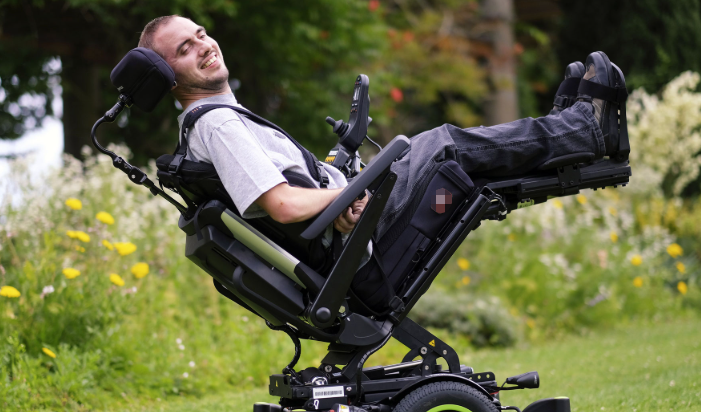
What Is The Difference Between Tilt In Space And Recline Wheelchair?
Tilt-in-space and recline wheelchairs work in different ways. Know this difference to pick the right equipment for specific medical needs.
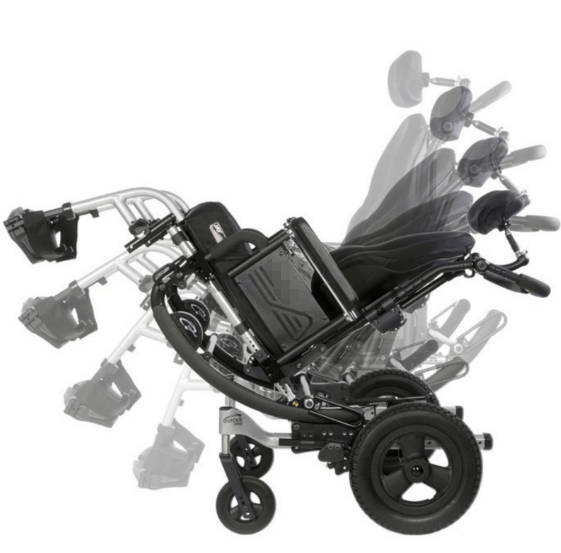
Tilt-in-space wheelchairs shift the entire seating system as one unit. The seat, backrest, and leg supports move together. They keep the same angle relationship throughout the tilt. Picture the whole chair tilting backward like a single piece. The user’s hip angle stays constant. The knee angle doesn’t change. Just the chair’s position to the ground shifts.
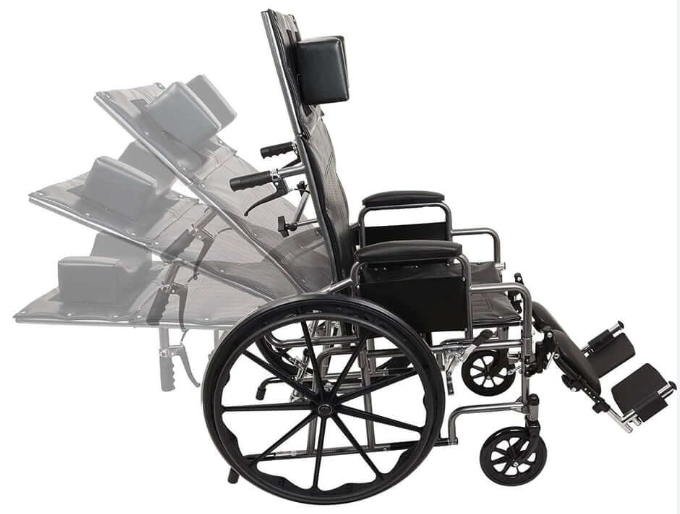
Recline wheelchairs work in another way. The backrest moves on its own from the seat. You recline the back, and the seat base stays level. This creates an opening hip angle. The user’s position changes relative to the seat itself. The backrest folds down. The seat remains flat.
This structural difference creates distinct outcomes for pressure distribution. Tilt-in-space moves pressure from the buttocks to the back. Body angles don’t change. The user keeps their seated posture. Recline changes body position by opening the hip joint. This can cause the user to slide forward in the seat.
Hospitals and rehab centers use these mechanisms for different patient needs. Tilt-in-space works best for pressure relief. It helps users who cannot move themselves. Recline works better for tasks like transfers, medical procedures, or leg elevation. Some advanced models combine both features. Caregivers get maximum flexibility for tough medical cases.
The manufacturing side also differs between these designs. Tilt systems need strong pivot mechanisms. These support the entire seating unit. Recline systems need backrests that move with secure locking positions at multiple angles.
What Is a Tilt In Space Wheelchair?
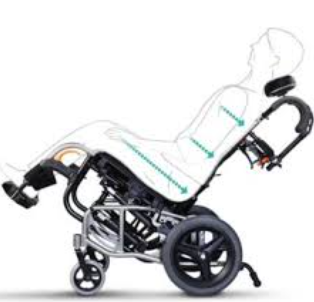
A tilt in space wheelchair moves the entire seating system backward as one connected unit. The seat and backrest tilt together. Hip angles stay the same. Knee angles remain constant. The whole system just changes its angle to the ground.
Think of it like tilting a rigid chair backward. Everything moves together. Your body position relative to the seat doesn’t change. The chair’s angle to the floor shifts.
Core Design Features
The seat-to-back angle locks in place during the tilt movement. This feature sets it apart from other wheelchairs. Most tilt mechanisms adjust between 0 to 50 degrees. Some advanced models reach up to 65 degrees for severe medical cases.
The pivot point sits near the user’s center of gravity. This creates smooth, balanced movement. You won’t experience the sliding or shearing forces common in other wheelchair types.
Medical and Therapeutic Benefits
Pressure relief is the main clinical advantage. Tilting shifts weight from the pelvis and tailbone to the back and thighs. This happens without changing body posture. Users at high risk for pressure sores get relief throughout the day.
Blood flow improves during long sitting periods. The tilt position helps drain fluid from the lower legs. Swelling goes down. Heart function benefits from the position changes.
Trunk control issues become easier to manage with tilt systems. Users with limited upper body strength can maintain proper alignment. The tilted position gives postural support without forcing the body into odd angles.
Breathing can improve in certain tilt positions. Gravity helps with lung expansion. Breathing becomes easier for users with chest weakness or reduced lung capacity.
Primary Applications in Healthcare Settings
Long-term care facilities depend on tilt wheelchairs. Residents spend many hours seated. Regular pressure relief becomes vital for skin health.
Rehab centers use tilt systems for patients recovering from strokes, spinal injuries, or brain trauma. These patients often can’t reposition themselves.
Patients with severe postural issues benefit most from tilt technology. Cerebral palsy, muscular dystrophy, or multiple sclerosis often need this level of positioning support.
What Is a Recline Wheelchair?
Recline wheelchairs adjust the backrest separate from the seat base. The back moves backward. The seat stays flat and level. This creates an opening angle at the hips.
The backrest pivots on hinges attached to the wheelchair frame. Users or caregivers release a lever or handle. The backrest then reclines to the angle you want. Most models lock at multiple positions. Common range spans from upright (90 degrees) to almost flat (170 degrees). Some heavy-duty models reach full flat positions for complete rest.
How the Reclining Mechanism Works
The seat-to-back angle changes during recline. Tilt systems keep angles fixed. This works different. Your hip joint opens up as the backrest goes down. The knee position might shift a bit. Your body slides forward in the seat. Proper positioning accessories prevent this.
Reclining puts different forces on the body than tilting. Shear forces appear as you move against the seat surface. Clothing rubs against upholstery. This friction matters for skin health. Caregivers watch for skin irritation during long recline periods.
Clinical Uses and Benefits
Rest breaks become easier with recline features. You can lean back and relax muscles. This helps during long days in the chair. Fatigue drops as you change positions throughout the day.
Personal care tasks get simpler. Catheter care, clothing changes, and wound care become easier to reach. The reclined angle gives caregivers better access to your body.
Leg elevation pairs well with recline functions. Elevating leg rests combine with the reclined back. This position helps reduce swelling in feet and ankles. Blood flow improves. Swelling decreases over time.
Some medical procedures need a reclined position. Feeding tubes, breathing treatments, or giving medication work better in this position. Healthcare staff can perform procedures easier.
Common Market Applications
Home care settings use recline wheelchairs often. Caregivers at home like the simpler operation compared to tilt systems. Price points run lower than tilt-in-space models. This makes recline chairs affordable for home budgets.
Rehab programs use recline chairs for patients with moderate positioning needs. Surgery recovery, temporary loss of movement, or short-term therapy all benefit from recline features.
Users who keep good trunk control but need position changes fit this wheelchair type. They can sit upright most of the day. The recline option provides breaks. You don’t need a full tilt system.
Clinical and User Considerations
Picking the right wheelchair features means more than ticking boxes on a spec sheet. Tilt versus recline affects your comfort each day, your health over time, and how much work your caregiver faces.
Medical Condition Assessment
Pressure injury risk shows which system works best. Got complete paralysis, limited feeling, or past pressure wounds? You need a tilt-in-space system. Shifting weight without changing body position protects fragile skin. Recline doesn’t give the same protection. The sliding motion creates friction. This damages vulnerable tissue.
Postural control splits users into different groups. Strong trunk muscles? You can handle the position changes from reclining. Weak core or spinal issues? You need tilt support. Your body stays aligned during tilt movements. Position shifts don’t catch you off guard.
Breathing matters too. Some conditions get better at certain angles. Tilt positions help lung expansion for users with chest weakness. Recline might fight gravity for certain breathing issues. Medical teams check breathing patterns before picking either system.
Activity Level and Independence
Active users who transfer often do well with recline features. The backrest angle makes transfers easier. Caregivers get better access for help. The reclined position helps with catheter care and personal routines.
Spend most hours seated without transfers? You need tilt capabilities. Pressure relief happens several times each day without stopping what you’re doing. The tilt angle changes. You keep working or socializing. No big position shift needed.
Caregiver Training and Physical Demands
Running a tilt system takes less effort than handling recline transfers. Push a lever. The chair tilts back. Release it. The chair returns to position. One person can do this without help.
Recline systems need more coordination. Caregivers must stop forward sliding while adjusting the backrest. Repositioning after recline takes extra steps. Two caregivers might be needed for safe use with dependent users.
Cost-Benefit Analysis for Different Settings
Institutional buyers run different numbers than home users. Long-term care facilities gain from reduced pressure injury rates. Tilt wheelchairs cost more upfront. But treating pressure wounds costs far more. The numbers favor tilt systems in clinical settings.
Home settings often face tighter budgets. Recline wheelchairs meet basic positioning needs at lower prices. Families handling moderate care needs get working equipment without institutional costs.
Selection Mistakes and Their Impact
Picking tilt when recline fits better wastes money on features you won’t use. The extra weight makes transport harder. The mechanism adds maintenance costs. Good trunk control means you don’t need the full tilt range.
Picking recline for high-risk users creates medical problems later. Poor pressure relief leads to skin breakdown. Treatment disrupts your routine. Medical bills pile up. Comfort and dignity suffer from injuries that could have been prevented.
Rehabilitation pros stress one thing: match the system to the medical need, not the price. The wrong pick hurts how well therapy works. User satisfaction drops.
Conclusion
What is the difference between tilt in space and recline wheelchair? Tilt systems move the entire seat as one piece. Pressure spreads out evenly. Body angles stay the same. Recline systems adjust the backrest. The hip angle opens up. Users can rest in different positions.
These designs solve different medical needs. Tilt protects people at high risk for pressure sores. It helps those with weak posture control. Recline helps with transfers and personal care. It costs less for basic positioning needs.
Manufacturing standards vary between these two types. Tilt mechanisms need strong pivot systems and tested frames. Recline models use simple hinge parts. Production costs show these engineering differences.
B2B buyers need to match products to end-user needs. Stock tilt wheelchairs for hospitals and care centers focused on medical results. Carry recline models for home care markets looking for lower-cost options. Know these differences. You can serve more customer types. Product selection gets better. Market reach grows. Users get equipment that fits their medical needs and everyday activities.
