
Every day, millions of people struggle with limited mobility. Some are recovering from surgery. Others manage chronic conditions. Many navigate the natural aging process.
What is the purpose of a manual wheelchair? This question goes far beyond simple transportation. Manual wheelchairs are powerful tools. They help you reclaim independence. They maintain your physical health. They restore your freedom to move, work, and engage with the world on your own terms.

What Is a Manual Wheelchair? (Core Definition & Primary Purpose)
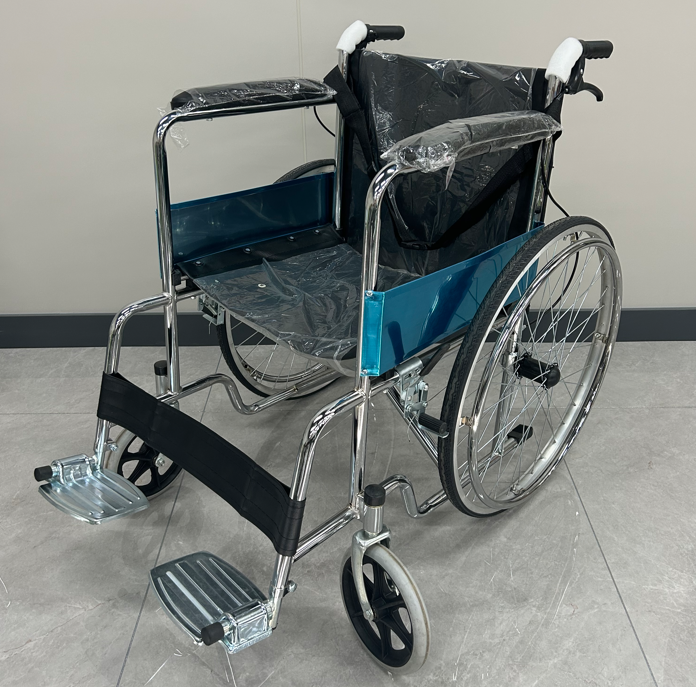
A manual wheelchair is a wheeled mobility device operated by hand. It’s built for people who can’t walk on their own using canes or walkers. The Americans with Disabilities Act (ADA) states these devices help people with nerve, bone, or heart/lung conditions that limit walking ability.
Manual wheelchairs use human power, not motors. You push the wheel rims yourself, or someone pushes from behind. This basic difference affects how the device works and who benefits from it.
The Core Medical Purpose
Manual wheelchairs give you safe and functional mobility for daily living activities (MRADLs). These are the basic movements you need to stay independent at home.
Here’s what that means in practice:
Transfer from bed to wheelchair and back
Move to the bathroom
Position yourself at tables for meals
Get through doorways and hallways
Access different rooms in your home
Self-propelling a manual wheelchair needs upper body strength, stamina, and coordination. Your arms, shoulders, and core muscles work together to move you. This physical effort is something to consider for fit. But it also helps you stay fit during recovery.
Position in Medical Rehabilitation
Healthcare systems use manual wheelchairs as first-choice mobility solutions for patients who meet certain needs. Medical professionals check your condition, home setup, and physical abilities before suggesting this option.
The device plays several roles in your care. It gives you mobility right after surgery or injury. It meets long-term needs for ongoing conditions. Medical systems also pay for repairs and replacements as parts wear out or your needs change. This keeps mobility services affordable while making sure the fit is right, your home works with the device, and safety standards are met.
Core Functions of Manual Wheelchairs in Your Life
Manual wheelchairs change how you get around. Walking becomes hard? These chairs give you practical solutions for movement and social life.
Enabling Independent Movement
Manual wheelchairs provide mobility assistance. You can move through spaces that were once out of reach. Paralysis, muscle weakness, joint problems, or surgery recovery – the chair helps with all of these.
Your manual wheelchair works indoors and outdoors. Inside your home, you can:
Navigate narrow hallways and doorways
Move between rooms on your own
Access kitchen counters and work surfaces
Use bathroom facilities with safety
Outside, wheelchair accessibility features let you join community life. Visit parks, shops, medical appointments, and social gatherings. The chair removes barriers. You’re no longer stuck in one place.
Customization That Fits Your Body
Self-propelled wheelchairs adapt to your unique physical needs. Generic solutions don’t work well for mobility devices. Your body size, condition, and lifestyle are different from others.
Professional fitters can adjust several key parts:
Seat width and depth – Prevents pressure sores and gives proper support
Seat height – Allows comfortable transfers and correct foot positioning
Backrest angle – Fits spinal conditions and comfort needs
Wheel size and type – Matches your arm length and terrain
Armrest and footrest positioning – Supports natural posture and blood flow
These changes affect your comfort during long use. They also change how well you can move yourself. A good fit cuts energy use by up to 30% compared to bad adjustments.
Economic and Practical Benefits
Lightweight manual wheelchairs cost less than the initial price suggests. You’ll pay much lower ownership costs compared to powered options.
The financial benefits add up:
Purchase prices range from $200-$2,000 versus $2,000-$30,000 for power wheelchairs
No battery replacements ($300-$800 every 1-2 years for powered models)
Low maintenance costs – just tire replacements and bearing lubrication
No electrical repairs or control system fixes
Temporary wheelchair use makes manual models practical. Recovering from hip replacement, knee surgery, or ankle fractures? You need solid mobility for weeks or months, not years. Wheelchairs for older adults often fit this temporary need well.
Transportation Flexibility
You can move around more with a portable chair. Most manual wheelchairs fold or come apart for car transport. They fit in standard car trunks, SUV cargo areas, or behind vehicle seats.
This portability means:
Relatives can load wheelchairs for medical appointments with ease
You can travel to different places without special transport
Vacation and social visits get simpler
Storage at destinations takes little space
The typical manual wheelchair weighs 25-40 pounds. Power wheelchairs weigh 100-300 pounds. The weight gap affects who can help you and where you can go.
Physical Health Benefits: Strength, Cardiovascular & Injury Prevention
Pushing a manual wheelchair does more than move you from place to place. It turns everyday movement into a workout. Your arms, shoulders, chest, and core work together with each push. This builds strength you won’t get from a power wheelchair.
Upper Body Strength Development
Manual wheelchair exercise works multiple muscle groups at once. Each time you push forward, you use:
Deltoids and rotator cuff muscles in your shoulders
Triceps and biceps in your upper arms
Pectorals across your chest
Latissimus dorsi in your back
Core stabilizers in your abdomen and lower back
Research shows wheelchair users burn 120-150 calories per hour during normal propulsion. This equals moderate walking for able-bodied people. Use your wheelchair over weeks and months. You’ll see real muscle growth. Your grip gets stronger. Your shoulders become more stable. You can go longer without getting tired.
Physical therapists recommend manual wheelchairs during rehab for this strength-building effect. Patients recovering from leg injuries can keep their heart fitness up while healing. The wheelchair works as both a mobility tool and exercise gear.
Cardiovascular and Metabolic Benefits
Self-propulsion keeps your heart rate up throughout the day. Short bursts of movement add up fast. Pushing to the kitchen, moving to the bathroom, getting to different rooms – each trip counts toward your physical activity total.
Wheelchair user benefits reach beyond just muscles:
Better circulation in your upper body
More oxygen uptake and lung capacity
Better blood sugar control from staying active
Lower risk factors for heart disease
Studies show manual wheelchair users stay more active than power wheelchair users with similar conditions. This boosts long-term health outcomes.
Injury Prevention Through Proper Use
The right push technique protects your joints and soft tissues. Healthcare providers teach methods to cut down on repetitive strain. Put your hands at the top of the wheel rim. Push forward with smooth, controlled strokes. Let the wheel glide between pushes. Don’t push the whole time.
Wheelchair features like adjustable push rim positions cut shoulder injury risk. The right seat height stops you from reaching too far or sitting at bad angles. Change positions often and stretch. This fights the effects of sitting for long periods. These habits keep your joints healthy. They stop overuse injuries that could hurt your independence down the road.

Mental & Emotional Benefits: Independence and Quality of Life
Physical mobility matters. But regaining control over your movement impacts your psychology even more. Manual wheelchairs transform how you see yourself. They change how you engage with the world.
Reclaiming Personal Autonomy
Wheelchair mobility independence means making your own choices again. You decide when to leave a room. You choose which store to visit. You control your schedule without waiting for help.
This autonomy affects your mental health in clear ways:
Reduced feelings of helplessness from relying on others for basic movement
Lower rates of depression linked to mobility restrictions
Improved self-confidence from accomplishing tasks on your own
Greater sense of control over your environment and routine
Patients report feeling “like themselves again” once they master wheelchair use. The device stops being a medical tool. It becomes an extension of your body. It returns freedom you thought was lost.
Breaking Social Isolation
Staying home because you can’t get around damages your emotional well-being. Manual wheelchairs give you the power to rejoin social life on your terms.
Your wheelchair opens doors to:
Family gatherings where you can participate rather than watch from the sidelines
Community events like religious services, concerts, or local meetings
Shopping trips where you browse and make purchases yourself
Outdoor activities at parks, gardens, or accessible trails
Research shows wheelchair users who maintain active social lives report 40% higher life satisfaction scores than those with limited community engagement. Face-to-face interaction fights loneliness. Shared experiences build connections. Your manual wheelchair makes these moments possible.
Maintaining Identity and Purpose
Limited mobility can make you feel defined by your condition. A manual wheelchair shifts this story. You’re not “the person who can’t walk.” You’re the person who takes part in work, hobbies, and relationships.
This mental shift matters for long-term health. You keep your roles as parent, professional, friend, or volunteer. Your wheelchair’s accessibility features support these identities. They don’t limit them. Purpose and meaning stay intact even as physical abilities change.
Who Should Use Manual Wheelchairs? (Applicable User Groups)
Manual wheelchairs serve many different people with mobility needs. Knowing who benefits most helps patients, caregivers, and doctors choose the right mobility aid.
Individuals with Upper Body Strength and Endurance
Spinal cord injury (SCI) patients make up the largest group using custom manual wheelchairs. Research shows 97% of SCI patients get custom manual wheelchairs. These chairs match their injury level and what they can do.
People with neurological conditions make up 40-60% of standard manual wheelchair users. Conditions like multiple sclerosis, stroke recovery, or cerebral palsy often leave enough arm and shoulder function for self-propulsion. One clinical study found 60% of standard manual wheelchair users had neurological diagnoses.
Those with orthopedic conditions account for 12-30% of manual wheelchair users. Hip replacements, knee surgeries, ankle fractures, or arthritis can limit walking for a short time or forever. But upper body strength stays intact.
Age and Gender Patterns in Manual Wheelchair Use
Younger adults aged 55 and under prefer manual wheelchairs more. Clinical data shows 48-52% of this age group picks manual options. The average manual wheelchair user is 50 years old with 16 years of device experience.
Adults between 18-64 years make up 36.3-39.7% of all manual wheelchair users. By gender: 23% are men and 13.3% are women in this age bracket.
Custom manual wheelchair users tend to be younger. They average 67.1 years old. Standard manual wheelchair users average 77.4 years. This 10-year age gap shows the physical demands of self-propulsion. It also shows the investment in custom equipment.
Male users dominate manual wheelchair demographics. Men make up 82% of custom manual wheelchair users versus 64% of standard models. Overall, 56-63% of all manual wheelchair users are male. This gender split relates to upper body strength differences and injury patterns.
Temporary Recovery Situations
Older adults aged 65 and above account for about 1 million manual wheelchair users in the United States. Most use wheelchairs for a short time during recovery. Not for permanent mobility loss.
Wheelchairs for older adults address multiple age-related challenges:
Muscle weakness from extended bed rest or hospitalization
Poor balance after falls or medical events
Pain management during healing
Vision problems that make walking unsafe
Fear of falling that limits mobility confidence
Post-surgical patients with heart, bone, or joint replacement procedures often need short-term wheelchair use for 6-12 weeks. The manual option gives cost-effective mobility during recovery. No need to buy expensive powered equipment for short-term needs.
Active Lifestyle Users Seeking Independence
Younger patients with moderate-to-severe mobility limits start with manual wheelchairs over powered alternatives. They value the physical activity, easy transport, and control that self-propulsion gives.
Ambulatory wheelchair users make up 7% of the US population with walking difficulties. They choose manual wheelchairs as extra mobility aids. They may walk short distances but need wheeled support for longer outings, shopping trips, or saving energy.
These users want self-propelled wheelchair benefits like staying fit, joining wheelchair sports, and keeping upper body function through regular use.
Caregiver-Supported Situations
Standard manual wheelchairs serve older adults averaging 70.2 years who get help from caregivers. This group includes:
Residents in skilled nursing facilities
Patients with progressive neurological conditions (60% of standard users)
People from lower income backgrounds who cannot afford powered options
Women with heart issues needing mobility support
In these cases, wheelchair access features help both the user and caregiver. Lightweight frames make transport easier. Folding parts make storage simple. Removable parts allow transfers between bed, chair, and vehicle. This puts less physical strain on caregivers.
Healthcare providers assess manual vs power wheelchair needs for this group. They consider caregiver availability, home setup, and the user’s chance of regaining some independence through therapy.
Picking the Right Manual Wheelchair
Set Your Budget by What Features You Need
How much you spend matches how often you use it and what features you need:
Basic tier (15-20kg) gives you fixed seat and backrest with solid wheels. Strong designs work for indoor or light use. This fits 30.7% of users who want basic function over custom features.
Mid-range options (12-15kg) have adjustable seat height, armrests, and hybrid wheel choices. These balance ease of movement with comfort for mixed settings and 4-8 hour use. This tier works for 34.3-39.3% of users.
High-end models (<12kg) offer custom fitting, lightweight frames, and optimized rear wheel positioning. Top materials and manual wheelchair exercise efficiency features fit outdoor-active users with high social and movement needs.
Test several chairs in real conditions before deciding. Your wheelchair mobility independence depends on picking features that support your specific patterns, not generic advice.
Conclusion
Manual wheelchairs are more than mobility devices. They open doors to independence, health, and confidence.
Understanding the purpose of a manual wheelchair helps you make smart choices that improve quality of life.
Wheelchair user benefits go far beyond simple transportation. You build upper body strength. Your heart health improves. You gain freedom to handle tasks on your own. The right manual wheelchair fits your lifestyle, physical needs, and future plans.
Ready to find the perfect manual wheelchair solution? At GraceMedy, our mobility specialists guide you with recommendations based on your specific needs. Explore our range of lightweight manual wheelchairs or schedule a consultation with our experts today. Your journey to greater independence starts with one simple decision. We’re here to support you every step of the way.
Don’t just adapt to limited mobility—thrive beyond it.
