
Height Adjustment for Safer Transfers and Fall Prevention
Ultra-Low Height Adjustment for Fall Prevention
Adjustable medical beds shine with their ultra-low height setting. These Ultra-Low adjustable medical beds can lower to 8–10 inches from the floor. Some models go as low as 2.7–7 inches without the mattress. This ultra-low profile matters for seniors at high risk of falls.
Here’s why: falling from a standard bed height of 20–25 inches gives seniors a 20% risk of hip fractures. Lower the bed closer to the ground? You can cut fall injury severity by up to 90%. This feature alone brings peace of mind to patients and caregivers.
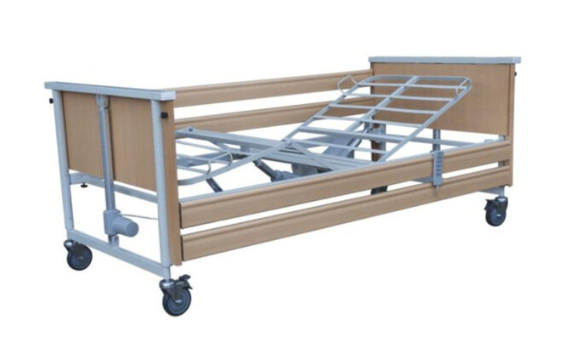
Height Adjustment for Safer Transfers
Seniors with limited mobility face real challenges. Balance issues make transfers risky. Recovery from surgery or stroke adds more difficulty. Electric height controls solve this. You can set the bed at the perfect level for sitting, standing, or wheelchair transfers.
Dangerous gaps disappear. Awkward movements become rare. Slips during transfers drop off. Plus, patients gain more independence—they can get in and out of bed with less help.
Benefits for Caregivers and Home Care
Raising the bed makes caregiving safer and easier. Caregivers can adjust height for changing linens, turning patients, wound care, or feeding. This prevents back and shoulder injuries.
The numbers tell the story: height-adjustable beds lead to up to 70% fewer back and shoulder complaints among caregivers compared to fixed-height beds. Better ergonomic safety means home-based care becomes more viable. This can delay—or even avoid—the need for nursing homes.
Real-World Examples and Comparison
Several hospital-grade adjustable beds feature this height adjustment:
– Assured Comfort Hi-Low
– Grace Medy Ultra Low medical bed
– Flex-A-Bed Hi-Lo
– Solo Home Hospital Bed
These models offer full electric height adjustment. Patient safety improves. Caregiver comfort increases. Standard consumer-market adjustable beds? They don’t provide this height control. So they fall short for fall prevention and safe transfers.
Adjustable medical beds with complete height control deliver better fall prevention. Safety goes up. Support increases for both seniors and their caregivers. This sets them apart from standard adjustable beds.
Safety Features Built for Medical Needs
Hospital-grade adjustable medical beds come with built-in safety features made for older patients’ health needs and care routines. Standard adjustable beds can’t offer this level of protection.
Stable Locking Mechanisms for Maximum Security
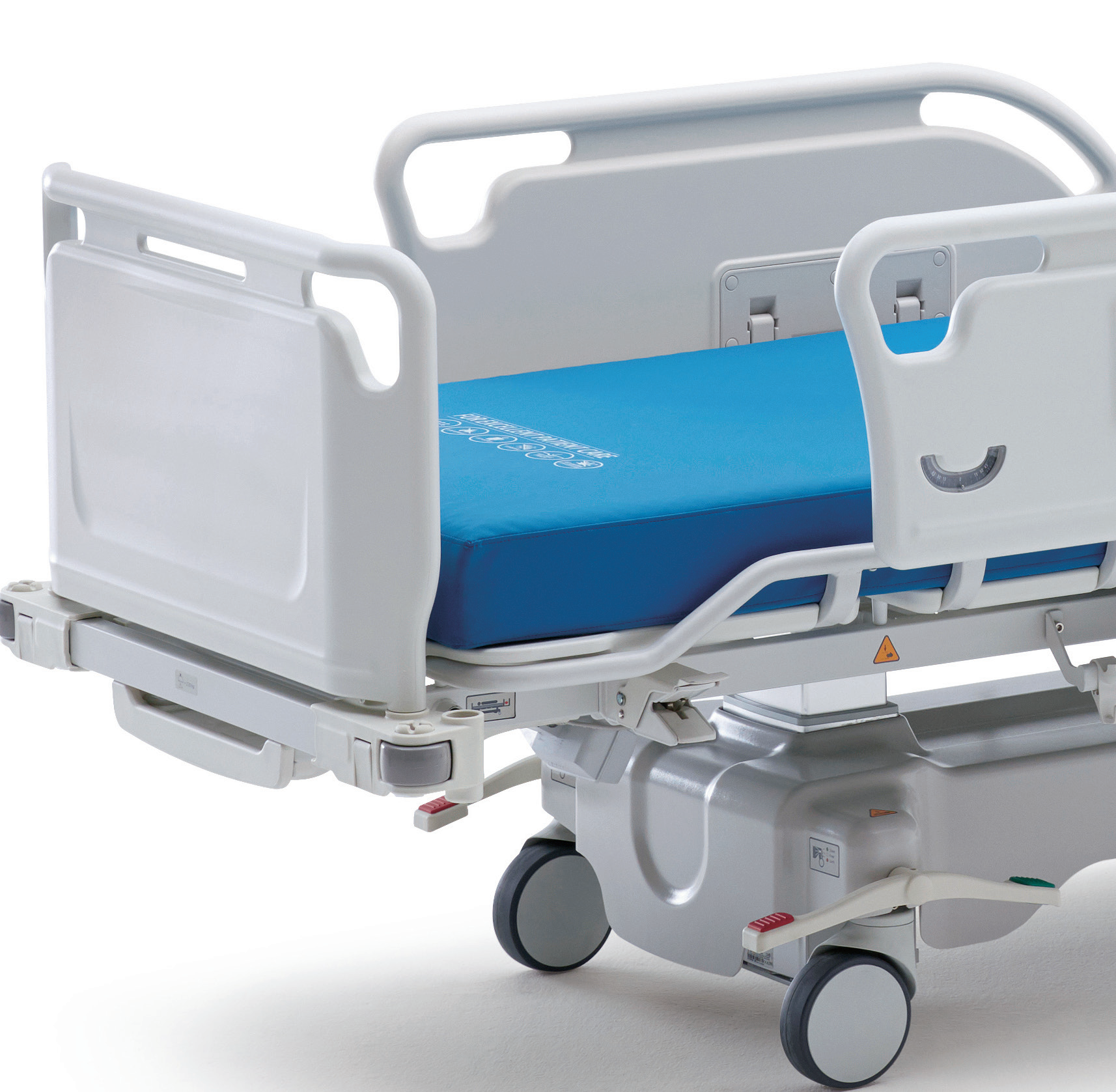
Hospital beds use heavy-duty casters with strong locking systems.
Lock all wheels to prevent accidental movement during patient transfers or medical care.
This keeps patients and caregivers safe, even on hard floors or during strong movements.
Emergency Controls for Rapid Response
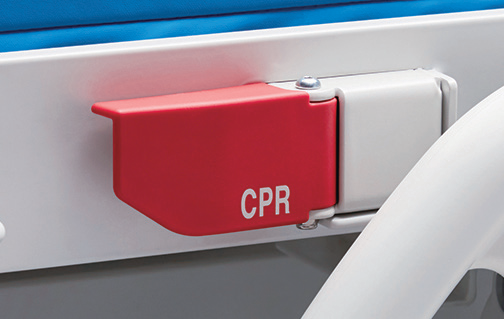
Medical beds have quick-release or emergency lowering systems.
Caregivers can adjust bed positions in seconds. They can lower the entire bed flat during sudden health events, such as a drop in blood pressure or cardiac emergency.
Standard adjustable beds don’t have these critical safety functions.
Bed Exit Alarms and Integrated Call Systems
Many medical beds include built-in exit alarms. These notify staff or family if a patient tries to get up alone. This is vital for those at high risk of falls or with cognitive decline.
Integrated nurse call buttons let older patients summon help, day or night.
Standard adjustable beds don’t offer alarms or call assistance features.
Mobility Accessories and Easy-to-Use Controls
Options like over-bed trapeze bars, ergonomic rails, and reinforced grab handles come standard or as accessories. These make repositioning and getting out of bed safer.
Control panels feature large, tactile buttons. Remotes are often backlit or braille-marked. This suits seniors with poor eyesight or limited hand movement.
Medical Bed vs. Standard Adjustable Bed: Clear Safety Advantage
Hospital beds: Come with medical-grade rails, alarms, pressure mattresses, emergency features, call buttons, and mobility aids all integrated together.
Standard beds: Often lack real locking wheels. No alarms or emergency controls. Not designed for high-risk older patient care.
These built-in safety systems lower the chances of falls, pressure injuries, and missed emergencies. For older patients with complex care and mobility needs, a true medical bed provides the complete safety and peace of mind families need.
Compatibility with Medical Accessories and Equipment
Adjustable medical beds work with all essential medical accessories and equipment. Standard adjustable beds can’t do this. Older patients who need ongoing medical care at home or in care facilities rely on this feature.
Built-In Accessory Integration:
Medical beds have strong frames and special slots for attaching many devices. You can connect:
IV poles
Oxygen concentrators
Suction machines
Patient lifts
Standard adjustable beds don’t have these attachment points. This limits their use during complex care.
Certified for Medical Use:
Medical beds meet FDA and ISO certifications. This guarantees safe use with medical devices and strong build quality. They include emergency backup systems. They support weights well over 500 pounds.
Most standard adjustable beds don’t meet these certifications. Their weight limits are much lower.
Supports Specialized Equipment:
Medical beds can hold:
Integrated over-bed tables
Oxygen tank holders
Elevating headboards and footboards for safe transfers
Lateral rotation modules and advanced air mattresses for pressure relief
Caregiver and Patient Benefits:
Caregivers can attach accessories fast during emergencies. Special mattress surfaces help maintain infection control. Patients can be repositioned with ease. Standard adjustable beds don’t support this level of medical care. This puts patient safety and treatment quality at risk.
Older patients using standard adjustable beds face problems. They can’t use vital accessories easily. They have a higher risk of complications. They get limited support for medical needs. Adjustable medical beds are built for full compatibility. This makes all the difference.
Better Mobility and Positioning Support
Medical adjustable beds give seniors much better mobility and positioning support. Standard adjustable beds can’t match this level of care.
Easy Repositioning with Electric Controls
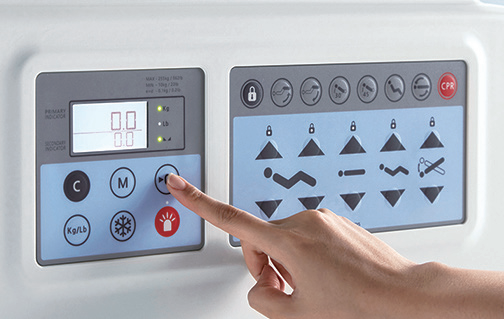
These beds come with electric controls. You get hand pendants or bedside panels that are simple to use. Seniors can adjust their bed position on their own. Raise the head or foot. Change the whole body angle. It’s all possible.
This helps people with arthritis or chronic joint pain. Small position changes ease stiffness and pain at night. Caregivers get relief. Patients get more comfort and control.
Building Independence and Better Quality of Life
Electric adjustability means more than comfort. It’s about dignity and independence. Seniors can sit up, recline, or get out of bed without help. This builds better self-care, privacy, and confidence.
The data backs this up. Studies show seniors using medical adjustable beds get an extra 21 minutes of sleep per night. They also find it easier to reposition for relief compared to standard beds. These gains lead to better health and daily happiness.
Custom Support for Medical Conditions and Recovery
These beds work great for common senior health issues. Here’s how:
Heart and breathing problems (COPD, heart disease): Raising the head helps breathing and heart function.
After surgery: You can raise the whole bed or just parts of it. This makes safe transfers and moving in bed easier after hip or knee surgery. Risk of re-injury or other problems goes down.
Seniors with special medical needs get the custom support they need. Standard adjustable beds don’t offer this level of mobility, flexibility, or medical confidence.
Better Suitability for Caregivers
Adjustable medical beds enhance caregiver safety, efficiency, and comfort. They outperform standard adjustable beds for older patients.
Ergonomic Design Reduces Injury Risk
Height adjustment lets caregivers raise the bed to waist level. No more bending or stooping. This prevents back injuries, a common problem in home and facility care.
Tasks like wound dressing, bathing, feeding, and repositioning happen at the right height. This prevents muscle and joint strain.
Data shows electric height adjustment cuts caregiver back strain by up to 40%. Standard adjustable beds require manual effort and cause more strain.
Efficiency in Patient Transfers and Care
Electric controls adjust the backrest and leg-rest with ease. Caregivers position patients for feeding, medication, or hygiene using simple remote controls.
Studies report a 25% reduction in time spent repositioning and transferring patients with medical beds. Standard adjustable beds take longer. This frees up more time for quality care and improves workflow.
Support for Medical Needs
Medical beds offer advanced features like Trendelenburg positioning. Caregivers can elevate a patient’s legs or tilt the entire bed. This improves circulation and supports treatments. Regular adjustable beds can’t do this.
These features allow specialized care at home or in facilities. You need less expensive equipment and fewer caregivers.
Real-World Results and Case Studies
A long-term care facility switched to height-adjustable medical beds. Over one year, muscle and joint complaints among caregivers dropped by 50%. Units using standard beds saw no such improvement.
Remote electric functions and custom positions make the work safer and more efficient. Caregivers face less physical demand. This leads to better staff retention and improved quality of life for both staff and patients.
Medical beds protect caregiver health with smart features. They also raise the standard of patient care in every setting.
Feature Comparison Table
Here’s a side-by-side table. It shows how medical-grade adjustable beds beat standard adjustable beds for older patients. The comparison covers safety, regulatory approval, therapeutic features, medical device integration, and financial coverage.
|
Feature |
Medical-Grade Adjustable Bed |
Standard Adjustable Bed |
|---|---|---|
|
Price Range |
$1,000–$5,000+ |
$400–$3,500+ |
|
Height Adjustment |
Yes — as low as 7–10″ (ultra-low capability), rises up to 30″ |
No — fixed height 18–25″ |
|
Safety Rails |
Included. Medical-grade, adjustable (quarter/half/full length), padding optional |
Often not included |
|
Weight Capacity |
450–1,000 lbs (standard to bariatric) |
300–650 lbs (depends on model) |
|
Frame Design |
Medical-grade with heavy-duty motors. Built for industrial-strength performance. |
Residential grade, focused on comfort |
|
Size Options |
Twin/Full (36″–54″ width) |
Twin to King (standard bedroom sizes) |
|
Medical Integration |
Works with specialized mattress systems. These include pressure redistribution, alternating pressure, and low air loss. |
Limited or no medical integration |
|
Regulatory Certification |
FDA and ISO certified. Tested for entrapment, electrical safety, and emergency features. |
Lacks official medical device certification |
|
Operation Type |
Electric throughout. Independent head, foot, and height control — remote operated |
Manual, semi-electric, or basic motor assistance |
|
Positioning Capabilities |
Offers therapeutic preset programs. These include Trendelenburg, Reverse Trendelenburg, Zero-Gravity, and Cardiac Chair positions. |
Basic comfort positioning, no therapeutic angles |
|
Adjustment Precision |
Advanced medical-grade settings. Fine tuning available for therapy needs. |
Less precise, manual, or limited electric settings |
|
Durability Rating |
Built for daily high-intensity use. Long lifespan guaranteed. |
Home-use design, moderate endurance |
|
Caregiver Ergonomics |
Full height adjustment makes safe transfers easy. Prevents back strain for caregivers. |
Fixed height requires more bending and lifting |
|
Fall Prevention |
Ultra-low height setting (8–10″) cuts fall risk. Falls from standard height cause hip fractures in 20% of older patients. |
Fixed high means worse fall injuries |
Why This Matters
These differences matter for older patients. Safety rails, ultra-low fall-prevention design, medical oversight, and insurance coverage keep people at home. They help avoid nursing homes and prevent injuries. Medical beds offer clear advantages. Families and caregivers get real peace of mind.
