Baxter International Inc.
Baxter International’s Hill-Rom division leads the global medical bed market. They hold 18-22% of market share. The company shifted from selling furniture to building complete healthcare platforms. Heavy R&D spending and smart product systems made this possible.
Industry-Leading Smart Bed Systems
Hill-Rom built three main product platforms. Each one brings monitoring and patient care tech together:
VersaCare® — Tracks patients in real time. It prevents pressure injuries by adjusting positions constantly.
Progressa® (P7500) — Handles lung care with automated positioning for breathing patients.
Centrella® — Packs smart bed features with mobility help and exit alarms to cut fall risks.
Advanced Technology Integration
Smart sensors track patient conditions around the clock. The data goes straight into electronic medical records (EMR). You get auto-repositioning, exit alarms, and infection control in one package. This boosts patient comfort and medical results. The lineup includes ICU beds, med-surg options, and bariatric models for different hospital needs.

Stryker Corporation
Stryker holds 14-18% of the global medical bed market. This makes them the second-largest manufacturer worldwide. The top five suppliers together control about 60% of total market share. Stryker built its name on beds made for critical care settings. Every second counts in these environments.
Critical Care Specialization
Emergency departments and ICUs depend on Stryker’s equipment. Their beds meet the demands of high-stress settings better than most options. Fast patient transfers matter. Rapid position changes matter. Immediate access to controls makes the difference in severe cases.
Product Design Philosophy
Stryker offers both electric and manual hospital bed models. Each one focuses on practical function:
Hydraulic positioning systems — Height adjusts without jerks
Nurse call buttons — Built into side rails for direct communication
Safety alarm systems — Alerts trigger for patient movement or bed exits
Powered adjustments — Backrest and leg sections move with button presses
Simple control panels — Nurses operate beds without extra training

Mobility and Transport Advantage
The dual-purpose design stands out. Beds work well for in-room care. They also work well for emergency transport. Wheels lock tight during treatment. They release fast when patients move between departments. This cuts down on transfers. It also reduces injury risks during handoffs.
Stryker makes equipment that medical staff can use under pressure. Clean interfaces help. Reliable mechanics help. Durable construction keeps hospitals running during peak demand.
Grace Medy (Grace Medical Instrument Co., Ltd)
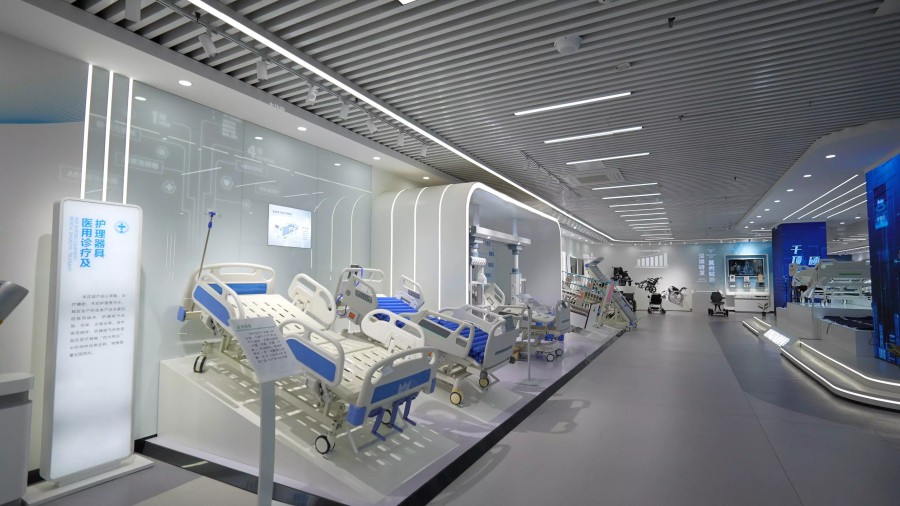
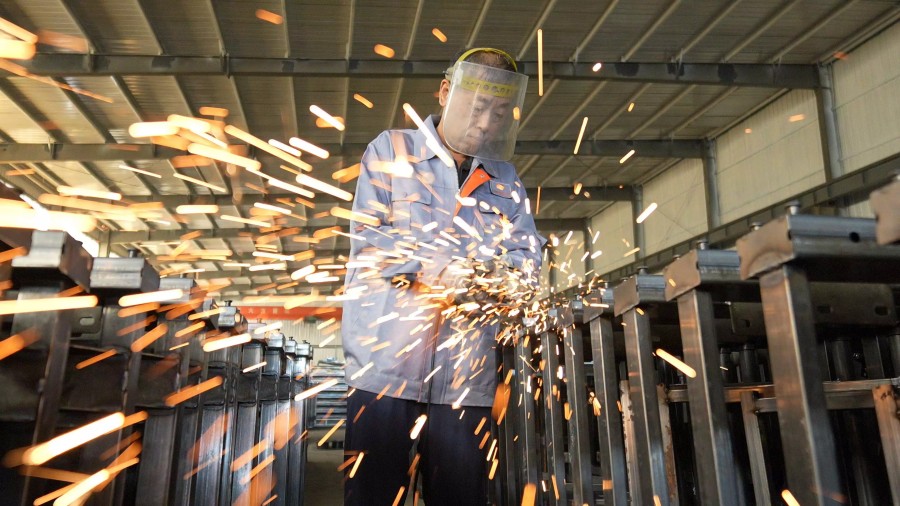
Grace Medical Instrument Co., Ltd started in China’s medical equipment manufacturing factory in 2009. We built our position in the medical bed segment through competitive pricing and export focus. Our production facilities cover 24,000 square meters in Hebei Province. We produce 50,000 hospital beds annually.
Export-Driven Market Approach
We ship to over 120 countries. Our main markets include Southeast Asia, Middle East, Africa, and Latin America. Hospitals and clinics with tight budgets are our target customers. Our prices run 40-60% below premium Western brands. We still meet ISO 13485 and CE certification standards.
Our product catalog includes eight main categories:
Manual hospital beds — Two-crank and three-crank adjustment systems
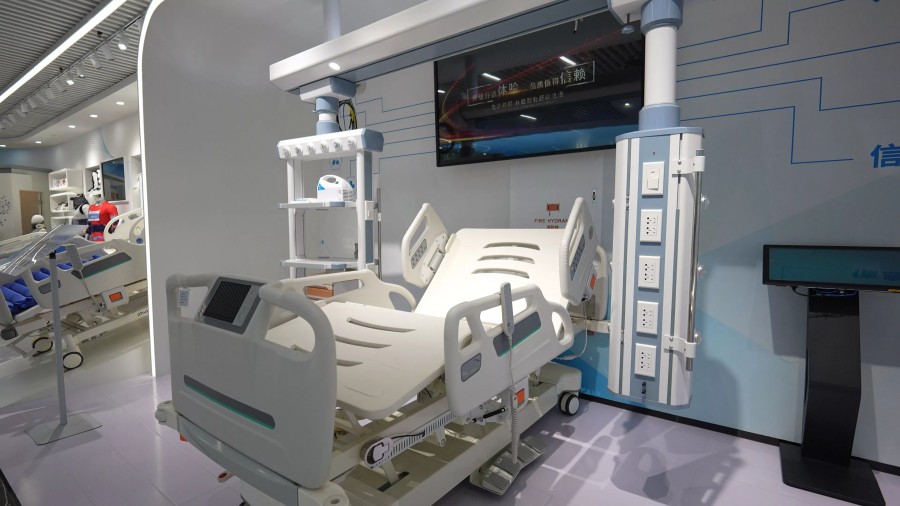
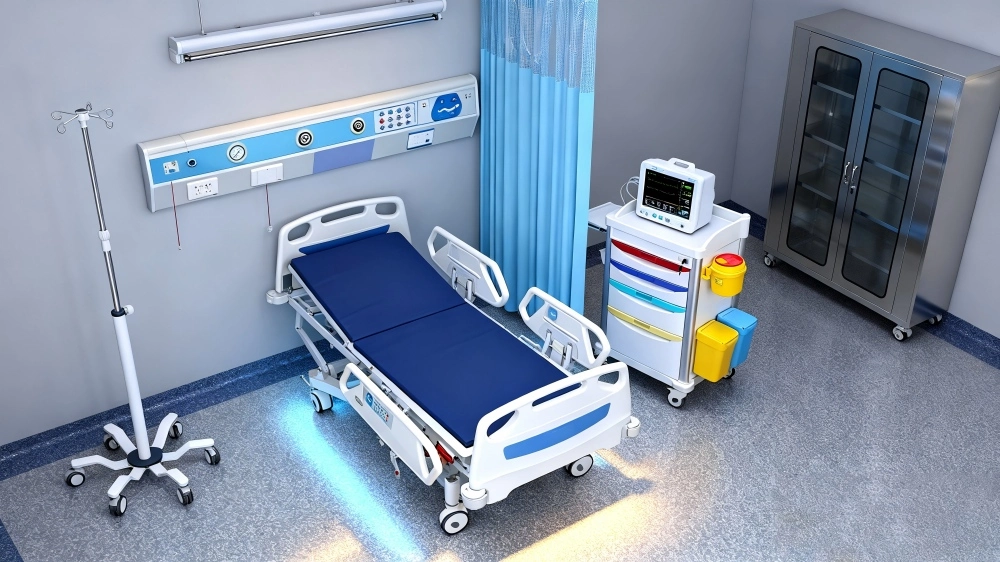
Electric medical beds — Five-function models with backup battery systems
ICU beds — CPR release functions and weighing scale integration
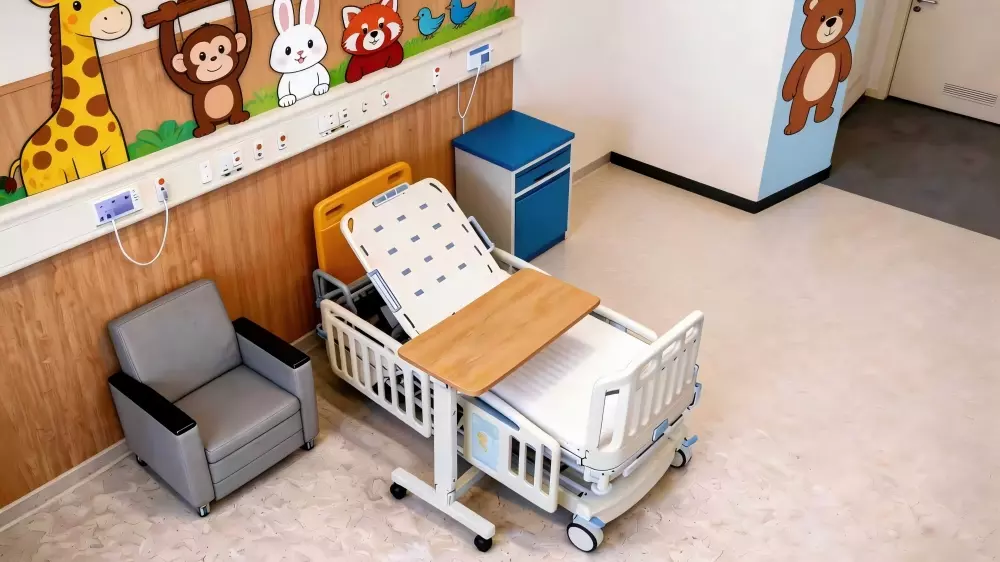
Pediatric beds — Adjustable guardrails with colorful designs
Examination couches — Height-adjustable examination platforms
Stretchers and trolleys — Emergency transport equipment
Delivery beds — Obstetric care with leg support positioning
Orthopedic traction beds — Built-in traction frames for bone injury treatment

Manufacturing and Distribution Model
We handle both OEM production for international distributors and self-branded sales through regional partners. Our chain sources components locally. This cuts costs. Steel frames come from our own factory.. Third-party manufacturers provide motors and control systems. These practices keep our unit prices competitive in emerging markets.
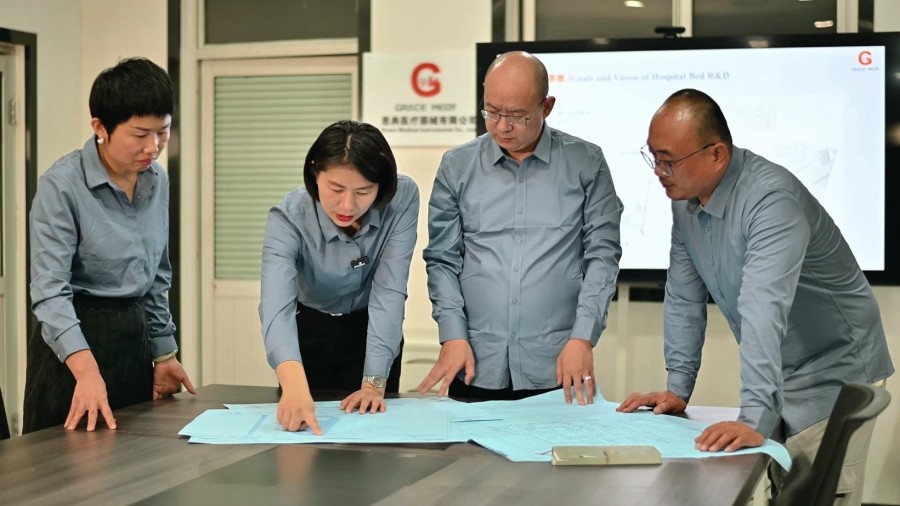
We run a lean operation. Most R&D work focuses on adapting existing designs. We don’t invest heavily in proprietary technology. This speeds up product launches. It also protects profit margins in price-sensitive regions. Basic reliability and affordability matter more than advanced smart bed features in these markets.
LINET Group SE
LINET Group SE ditched the old medical equipment sales model. They sell ongoing digital services, not just beds. This Czech-based maker ranks in the top five global hospital bed suppliers. Five companies control about 60% of the worldwide market: LINET, Baxter, Stryker, Paramount Bed, and ARJO.
Platform-Based Business Strategy
LINET moved from hardware sales to platform subscriptions. Hospitals buy complete systems now. Standalone beds are out. Each package mixes physical equipment with digital tools:
-
Analytics dashboards track patient data across multiple beds
-
Remote diagnostics spot equipment issues before they break
-
Preventative maintenance plans schedule service calls based on real usage patterns
-
Cloud-connected sensors feed live data into hospital networks
Healthcare facilities get steady, known costs. LINET earns recurring revenue. One-time purchases are gone. The relationship lasts well past the first sale.

Arjo AB
Arjo AB is based in Sweden. The company makes patient mobility and medical furniture systems. They rank among the top five global hospital bed suppliers. The top five makers control about 60% of worldwide market share. Arjo built its name on beds for acute care hospitals and long-term care facilities.
Dual-Market Product Strategy
Arjo runs two main product lines. Each one serves different care settings:
-
Prioma bed range — Made for acute hospitals with fast positioning controls
-
Enterprise bed range — Built for care facilities where patients stay weeks or months
Both lines work with bedside cabinets and tables. Arjo sells complete room setups, not just beds. This ties hospitals to their system. Switching gets expensive. Furniture, beds, and patient gear all come from one supplier.

Clinical Partnership Model
Arjo builds strong ties with healthcare providers. Their sales focus on better staff ergonomics and patient quality of life. These partnerships create dependencies. Hospitals train staff on Arjo gear. Standard equipment takes hold. Other brands struggle to break in.
The company works across Asia Pacific, North America, and Europe. Regional teams handle maintenance and training. This support system keeps customers coming back. Arjo stands out by offering full care solutions that go past basic bed making.
GF Health Products, Inc. (Graham-Field)
Graham-Field works as a major North American distributor, not a primary maker. This Atlanta-based company focuses on home healthcare and long-term care markets. They hold strong spots in rehab equipment, breathing products, and patient care furniture across the United States and Canada.
Distribution-Focused Business Model
GF Health Products gets medical beds from contract makers. They brand and sell through over 10,000 dealer partners. This differs from competitors who make everything in-house. Their catalog includes:
-
Homecare beds — Semi-electric and full-electric models for home use
-
Long-term care beds — Built for nursing homes and assisted living centers
-
Bariatric beds — Weight limits up to 1,000 pounds
Pediatric care beds — Safety-focused designs with enclosed sides

Market Positioning Strategy
Graham-Field targets buyers who watch costs in non-hospital settings. Their beds price 30-50% below hospital-grade equipment from Stryker or Hill-Rom. Buying in bulk and low overhead keep profits steady. They serve markets where basic reliability and low prices matter more than advanced smart bed tech.
Their dealer network gives you local setup and service help. Regional medical equipment suppliers take care of warranty claims and fixes. This spread-out model fits home health agencies well. Smaller care centers with tight budgets benefit too.
Invacare Corporation
Invacare skips competing with big hospital equipment makers. The company focuses on home care and assisted living facilities. Acute care settings aren’t their target. This choice guides what they build. Cost control and practical design win over fancy hospital features in these spaces.
Home Healthcare Specialization
Home health agencies across North America use Invacare equipment. Long-term care centers do too. Their beds serve patients who stay for months or years, not just days. The lightweight build makes setup easy. Moving beds between rooms? Takes minimal effort. Caregivers operate everything without special training.
Product Design Priorities
Invacare sticks to three core ideas:
-
Adjustable electric beds — Controls simple enough for any family member to use
-
Ergonomic frames — Cut physical strain on home caregivers during patient care each day
-
Affordable pricing — Cost 25-40% less than hospital-grade options while meeting safety standards

Market Position and Growth
The company ranks among top North American players outside hospitals. Baxter and Stryker rule acute care. Invacare dominates home healthcare. Electric beds generate 42% of total market revenue. This product line matches what Invacare does best.
The medical bed industry expands from USD 3,781.2 million (2025) to USD 5,490.5 million (2035) at a 3.8% CAGR. Home care demand rises faster than hospital segments. Aging populations need equipment for residential settings. This shift works in Invacare’s favor.
Joerns Healthcare
Joerns Healthcare runs its operations from Arlington, Tennessee. They built a strong name in long-term care and bariatric patient solutions. The company skips the acute hospital market. Stryker and Baxter already dominate that space. Joerns carved out their spot in nursing homes, rehab centers, and specialty care facilities across North America.
Specialized Product Focus
Joerns built deep know-how in bariatric medical beds and pressure ulcer prevention systems. Their main products fill gaps that general hospital bed makers miss:
-
UltraCare® XT — Bariatric bed that holds 1,000 pounds with an extra-wide sleeping surface
-
TrueCare® Bed Series — Low-height beds for fall risk patients in dementia care units
-
TheraTech® Mattress Systems — Foam and air cell combos that cut down pressure injuries

Manufacturing and Market Strategy
The company has production plants in the United States and Mexico. This two-location setup cuts labor costs. Plus, it keeps them close to North American buyers. Joerns sells straight to long-term care chains and group purchasing organizations (GPOs). Volume contracts with nursing home networks bring in steady money.
Their prices run 15-25% below premium hospital bed brands. Yet they beat basic home care equipment on quality. This sweet spot works for skilled nursing facilities. These places need tough commercial equipment but can’t match acute hospital budgets. Joerns puts its energy into stopping expensive problems like pressure ulcers and patient falls. They don’t try to compete on smart technology features.
General Market Trends and Innovations in Hospital Beds
Hospital bed makers now focus on software systems, not just hardware sales. The market grew from USD 4.81 billion (2025) to a projected USD 6.74 billion (2030) at a 6.99% CAGR. Three forces drive this growth: aging populations, rising chronic disease rates, and hospitals wanting connected care systems.
Electric Beds Replace Manual Models
Electric hospital beds captured 42% of total market share in 2024. These powered units win out because they cut nurse workload. They also speed up patient positioning. Emergency departments use electric models for 37.8% of their bed inventory. Manual cranks slow down critical care. Electric controls make it faster.
ICU applications show the strongest demand. Critical care units account for 46.8% of emergency hospital bed purchases. Life-support hookups matter most here. So do quick position changes. Beds need to adjust fast for breathing treatments. They handle cardiac events and prevent pressure ulcers.
Smart Bed Technology Transforms Patient Monitoring
The smart beds segment jumps from USD 587.58 million (2025) to USD 1,040.16 million (2033). Sensor arrays track patient weight shifts now. They monitor heart rates and movement patterns too. No manual checks needed. Data flows straight into hospital networks. Staff get real-time alerts before pressure injuries form. The system warns when patients try unsafe exits.
Makers now bundle analytics platforms with beds. Subscription models took over from one-time sales. Hospitals pay for steady diagnostics. They get maintenance scheduling and cloud data hookups. This setup gives makers stable income. It also cuts equipment downtime.
Regional Growth Patterns
North America leads with USD 1.49 billion (2023), climbing to USD 1.94 billion (2030) at 3.8% CAGR. Asia Pacific and Latin America show faster growth rates. Budget-focused regions pick mid-tier electric beds over premium smart systems. Western brands cost 40-60% more than regional makers on similar models.