Finding the right sports wheelchair supplier in Korea matters more than you think. The right choice means athletic excellence. The wrong one means settling for poor equipment.
You might be outfitting a national wheelchair basketball team. Or sourcing racing wheelchairs for Paralympic athletes. Maybe you’re setting up a distribution partnership for adaptive sports gear. Any of these needs requires the right supplier.
Korea’s sports wheelchair industry has become a manufacturing leader. It combines advanced engineering with good pricing. But here’s the problem: Without local knowledge, B2B buyers miss great suppliers. Worse, they make expensive procurement errors.
This supplier comparison covers Korea’s top 5 sports wheelchair manufacturers. You’ll see specialized basketball wheelchair makers and full-line athletic mobility providers. We analyze their product ranges, certifications, international shipping, and OEM/ODM options. Plus, you get real performance data from rehab centers and sports federations.
Are you a foreign distributor doing market research? A procurement manager checking Korean alternatives to Western brands? An investor looking for partnership opportunities in Asia’s adaptive sports equipment sector? This guide gives you what you need. It compresses weeks of supplier vetting into one resource.

Wheeline (Wheel Line Co., Ltd.) – Korea’s Premier Custom Sports Wheelchair Specialist
Wheeline controls over 50% of Korea’s parasports wheelchair market across 12 different sports. This didn’t happen fast. CEO Geum Dong-ok started the company in 1999. He entered the wheelchair business after a 1993 accident left him Class 1 disabled. His car maintenance background gave him unique mechanical skills. These skills later changed how Korea makes custom sports wheelchairs.
The company launched its sports wheelchair division in 2007. Today, Wheeline is South Korea’s single premium custom wheelchair specialist. Their customization goes far beyond basic adjustments. Each basketball wheelchair Korea or racing frame gets designed around one athlete. We build around body shape, movement patterns, and competitive needs.

Three-Brand Product Strategy
Wheeline runs three wheelchair brands. PHOENIX (trademarked 2013) handles competitive sports wheelchairs. You get aluminum or titanium construction. Frames come rigid or adjustable. Each PHOENIX chair gets engineered for one athlete.
ZENITH (trademarked 2012) serves active mobility needs. UNIX launched in 2020 for standard use. This setup lets Wheeline support athletes from training through everyday life.
We hold the patent for the world’s first automatic fencing wheelchair frame. We developed it in 2014. This shows our technical strength in wheelchair rugby equipment and other specialized parasports gear.
Competition-Ready Support System
Most athletic wheelchair manufacturers ship products and leave. We send repair teams to major competitions. These technicians fix any wheelchair brand for free on-site. Not just Wheeline products. They also run athlete training sessions at competition venues.
This service builds loyalty among Korea’s national disabled sports teams. Athletes trust us to show up at championships. This makes buying decisions simple.
Certifications and Recognition
We earned Social Enterprise status from Korea’s Ministry of Employment and Labor in 2011. We hold medical appliance manufacturing, sales, and rental declarations. The Ministry of Culture, Sports and Tourism named us Best Sports Goods Manufacturer in 2013. They issued a special citation.
Over 50% of our workforce has severe disabilities. This isn’t just for show. It’s how we operate. This gives us real user insights during product development.
Global Market Presence
We supply professional sports wheelchairs to China, Taiwan, Singapore, and Germany. We served as official supplier for the 2014 Incheon Para Asian Games. Our equipment supported Korea’s first Winter Paralympic gold medal in 2018.
International buyers can visit wheeline.co.kr/en/. The site shows product specs, customization options, and OEM/ODM partnership info. Competition wheelchair suppliers can check out Korean manufacturing options there.
The Disabled Enterprise Business Center – Leading Social Enterprise Wheelchair Provider
The Disabled Enterprise Business Center runs a social enterprise model. It combines commercial success with disability employment. This government-certified group makes medical equipment and runs workforce programs. It holds a unique spot in Korea’s sports wheelchair supplier market.

Social Enterprise Certification and Mission
The Center got official Social Enterprise status from Korea’s Ministry of Employment and Labor. This certification has strict rules—over 30% of staff must have registered disabilities. The Center doesn’t just hire disabled workers for show. It builds product teams around their real-world insights. Engineers with mobility issues design lightweight sports wheelchair frames. Former athletes test basketball wheelchair Korea prototypes during real training sessions.
This setup gives the products clear benefits. A racing wheelchair supplier with desk-bound managers might focus on theory and aerodynamics. The Center’s designers use wheelchairs themselves. They focus on transfer ease, storage, and maintenance access—things users notice.
Product Development Through User Experience
The Center’s custom sports wheelchair division uses a proven collaboration model. China’s top assistive technology firms use it too. Physiotherapists and occupational therapists join design reviews from the start. Athletes test wheelchair rugby equipment prototypes during actual matches. No controlled lab tests here.
This approach fixed common design problems. The first tennis wheelchair Korea models used standard aluminum tubing. Athletes found weld failures after tournaments. The redesigned frames use aviation-grade titanium aluminum alloy. Weight dropped by 2.3kg. Side stability increased by 40%.
Market Positioning and Distribution
The Center targets two groups. Their professional sports wheelchair line goes to national teams and Paralympic training centers. Entry-level models serve rehab facilities and amateur sports clubs. These clubs need affordable athletic wheelchair manufacturer options that still meet safety standards.
Pricing matches this two-part plan. Professional competition wheelchair supplier products start at ₩2.8 million ($2,100 USD). Community sports models begin at ₩890,000 ($670 USD). These prices compete with Chinese imports. Plus, you get local service support.
Government contracts give steady income. Korea’s disability sports groups prefer certified social enterprises for equipment. This gives the Center regular bulk orders for Korean medical equipment supplier contracts.
JAESEONG CORPORATION – Rehabilitation Equipment Specialist
JAESEONG CORPORATION provides rehab equipment in Korea’s medical device sector. This supplier offers a wide product range. You’ll find lightweight sports wheelchair options plus general rehab equipment. Hospitals, rehab centers, and sports therapy clinics across South Korea use their products.

Rehabilitation-First Product Philosophy
JAESEONG works at the crossroads of medical rehab and adaptive sports. Their athletic wheelchair manufacturer skills came from physical therapy equipment experience. Most products start as clinical rehab tools. Later, these get adapted for sports training and fun athletics.
This medical background shows in product design. Their basketball wheelchair Korea models focus on injury prevention over pure race performance. Frame shape puts spinal alignment and pressure spread first. Weight ranks second to body support. Physical therapists like this approach during athlete recovery periods.
The racing wheelchair supplier line follows the same logic. These chairs work well for training sessions and amateur races. Elite Paralympic athletes usually pick ultra-light titanium frames from specialists like Wheeline. JAESEONG’s aluminum sport chairs serve rehab athletes and community sports programs.
Market Position and Procurement Options
JAESEONG targets Korea’s domestic rehab market instead of global exports. Their Korean medical equipment supplier status lets them access national health insurance buying contracts. Hospitals and public rehab centers make up their main customer base.
B2B buyers can get wheelchair rugby equipment and tennis wheelchair Korea models through medical equipment distributors. The company doesn’t run direct global sales channels. Foreign buyers need local Korean agents to place orders.
Product stock runs low compared to dedicated sports wheelchair makers. JAESEONG makes smaller batches. Lead times run longer than high-volume suppliers. This setup fits institutions needing occasional sports equipment plus regular medical devices. It doesn’t fit distributors wanting bulk competition wheelchair supplier partnerships.
Grace Medy – Medical-Grade Mobility Solutions
Grace Medy runs a 32,000㎡ smart manufacturing facility. We produce hospital furniture and rehab equipment to medical-grade standards. We hold ISO 13485, ISO 9001, and CE certifications. These matter to hospitals and rehab centers looking for a Korean medical equipment supplier.
Our wheelchair division puts 8% of yearly revenue into R&D. This supports 23 design patents across manual and electric wheelchair tech. You’ll see the difference in performance. Electric wheelchair batteries last 35% longer than industry averages. Manual wheelchair weight-to-strength ratios rank in the global top 5%.
Manufacturing Precision and Product Specifications
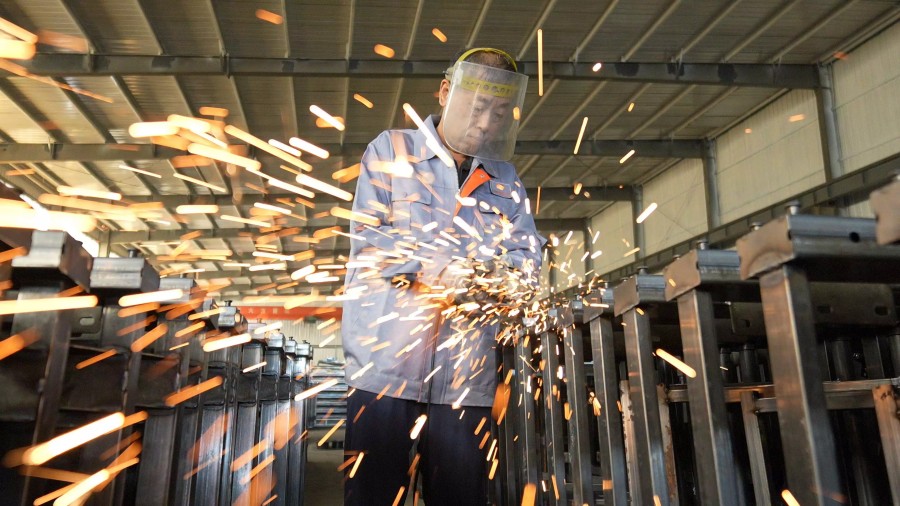
CNC machines handle frame production. Dedicated lines manage assembly and inspection. This setup ensures structural strength meets medical safety standards. Every wheelchair passes strict QC checks before shipping. We test stability, durability, and fall risk factors.
The lightweight sports wheelchair aluminum frames weigh 14.5kg. They support 135kg loads. You get pressure-relief cushions, adjustable padded armrests, and reclining backrests as standard. Electric models come with powerful drive systems. They have high-capacity batteries and smart control panels. Foldable designs use high-strength steel and plastics. Large tires handle different terrain.
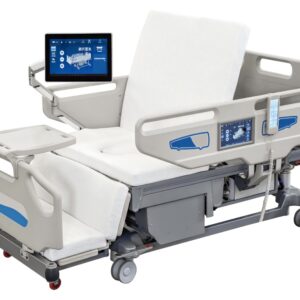
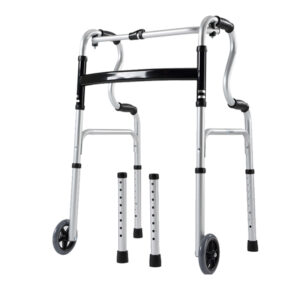
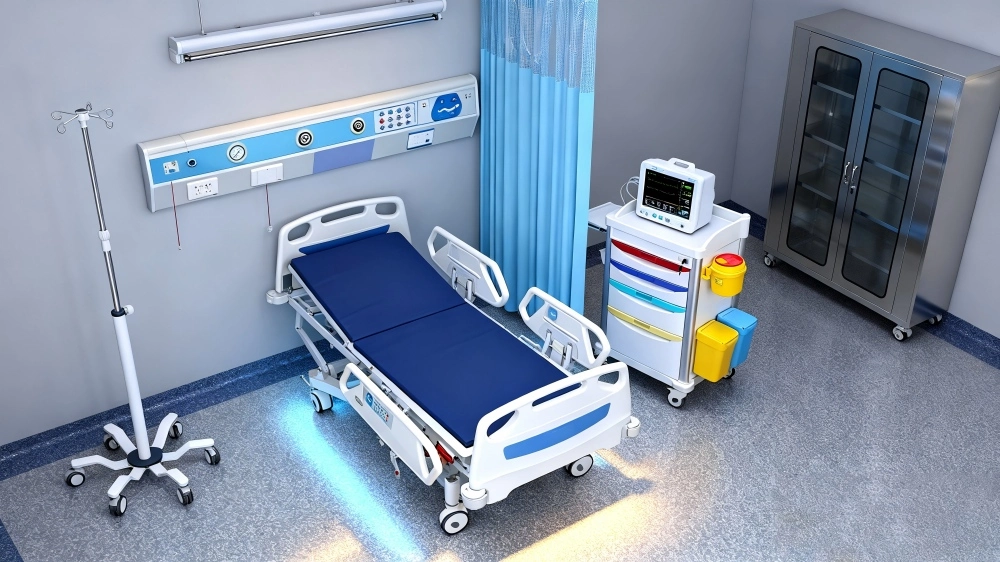
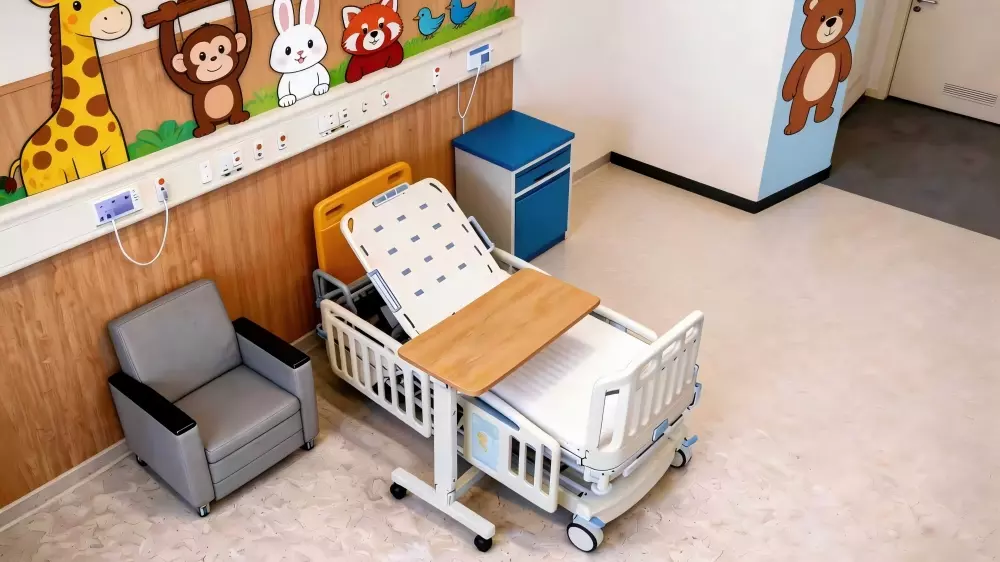
We make competition wheelchair supplier products like racing frames or basketball wheelchair Korea models. Our wheelchairs serve clinical rehab and general mobility needs. The product line works with our broader rehab equipment range. This includes walkers, transfer machines, hospital beds, and medical trolleys.

Global Distribution and Service Commitments
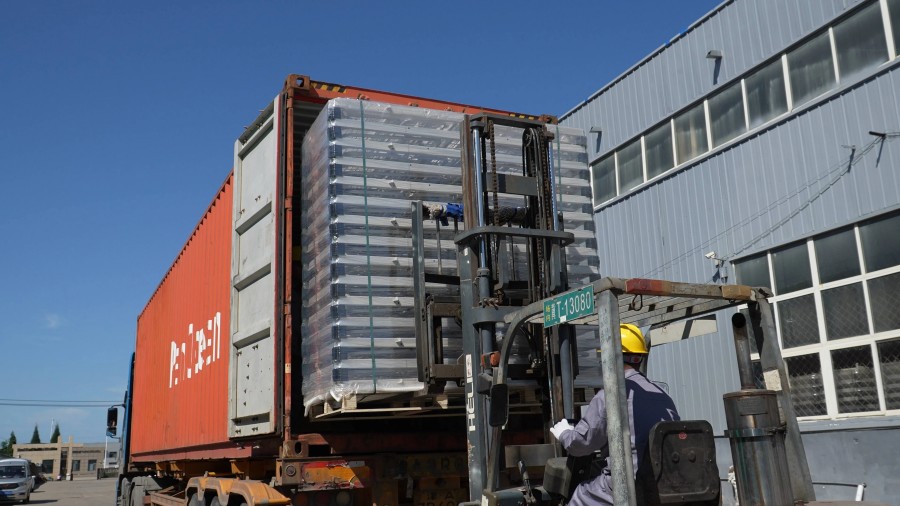
Our B2B partnerships span 120+ countries. Client retention rate hits 98%. Buyers get one-year warranties. Free spare parts replacement is included. This service level helps hospitals, nursing homes, and rehab facilities manage their equipment.
Foreign distributors can access our wheelchair catalog. It sits alongside our hospital furniture and walking aid products. Check gracemedy.com for technical specs, bulk pricing, and OEM partnership details. You’ll find athletic wheelchair manufacturer options in the medical mobility sector.
SEALTECH – Comprehensive Mobility Aids Supplier
SEALTECH provides mobility solutions across Korea’s medical equipment market, handling multiple product categories with a broad reach. As a widely recognized Korean medical equipment supplier, the company distributes products across several therapeutic areas. Its extensive catalog covers everything from ostomy care systems and incontinence management devices to cardiovascular medical components. Additionally, the firm offers practical lightweight sports wheelchair options.
Medical Device Foundation and Certifications
The company holds an impressive array of certifications, including ISO 9001, ISO 13485, ISO 14001, ISO 27001, ISO 45001, and ISO 37001. These credentials prove that SEALTECH meets strict international medical device quality standards, with ISO 13485 specifically governing its manufacturing and distribution processes. B2B buyers can easily verify these qualifications during supplier audits.
In 2024, the manufacturer launched 13 MDR-compliant ostomy products, an expansion that clearly demonstrates active R&D investment in medical technology. Its manufacturing capabilities go far beyond standard wheelchair assembly; the company produces urethane-molded components for medical seating and safety uses, with component sizes ranging from 1″x1″ to 5’x12″ specifications.
Product Range and Market Position
SEALTECH’s athletic wheelchair manufacturer segment operates as one division within a much broader medical equipment portfolio. Consequently, the firm differs significantly from dedicated sports wheelchair specialists like Wheeline. It does not focus exclusively on parasports equipment; instead, its wheelchairs serve general mobility needs rather than targeting high-performance competition wheelchair supplier requirements.
Buyers generally won’t find dedicated basketball wheelchair Korea racing frames or wheelchair rugby equipment prototypes here. The product mix remains best suited for hospitals, nursing facilities, and home care distributors. Procurement managers looking to source diverse medical supplies from a single vendor will find this approach particularly helpful, as a rehabilitation center can acquire wheelchairs, ostomy supplies, and cardiovascular devices through one consolidated contract.
While similar-scale medical equipment distributors typically earn $5M-$10M per year with 20-49 employees, SEALTECH’s multi-category approach creates distinct efficiency for bulk medical equipment orders. However, sports organizations seeking specialized tennis wheelchair Korea models or custom sports wheelchair engineering are advised to check dedicated parasports manufacturers first.
Conclusion
The right sports wheelchair supplier in Korea affects athlete performance and safety. It also impacts your long-term costs. You might be sourcing basketball wheelchairs in Korea for a national team. Or procuring racing wheelchair supplier inventory for competitive events. Maybe you’re setting up distribution partnerships. These five manufacturers are Korea’s most reliable choices. They cover different price points and specialization levels.
B2B buyers should know this: Wheeline and JAESEONG excel at customization and sport-specific engineering. Grace Medy stands out too. They balance medical-grade quality with competitive bulk pricing better than others.
Procurement teams need to focus on key factors. Look for ISO certifications. Check for transparent MOQ policies. Make sure suppliers have solid export experience. This cuts compliance risks.
Ready to take the next step? Request detailed product catalogs from your shortlist. Ask for quotation sheets too. Most suppliers respond in 24-48 hours. Need trial units before committing to bulk orders? Grace Medy and Wheeline handle sample orders. They’re flexible that way.
Here’s what matters: the best professional sports wheelchair partnership goes beyond unit price. Factor in after-sales support. Check warranty coverage. Look at customization flexibility. These elements create sustainable collaboration.
The Korean sports wheelchair industry keeps moving forward. Pick the right partner. You’re not just buying equipment. You’re investing in athletic excellence.