You’re settling into a wheelchair that fits just right. The armrests sit where you need them. The seat cushion supports your pressure points. The frame color shows off your style. This isn’t a dream.
Modern wheelchairs give you amazing ways to make them your own. They go way beyond basic changes. Standard mobility equipment becomes a personal tool built around how you live, what feels comfortable, and what looks good to you.
Maybe you’re new to wheelchairs and asking “can you customize your wheelchair?” Or you want comfort upgrades to make each day better. Understanding your choices is step one to getting back control and independence.
Wheelchair seat cushions can stop discomfort during long days. Custom wheels handle specific terrains. The modifications you can get today boost both how your chair works and your quality of life. A personalized wheelchair design makes your mobility device work harder for you—not the other way around.

What Parts of a Wheelchair Can Be Customized?
Wheelchairs have many parts you can customize to fit your needs. Knowing which parts you can modify helps you build a mobility solution that works for your life.
Seating and cushion systems give you the biggest customization impact. Custom-shaped cushions relieve pressure during long sitting times. These systems adjust to fit your body and comfort needs. Advanced seating uses 3D scanning to map your body shape. This creates cushions that spread weight well and cut down pressure points.
Armrests adjust to match what you do each day. You can change their height, width, and padding. Position them right where your arms rest best. Some people need flip-back armrests for easy transfers. Others want fixed armrests for better stability during use.
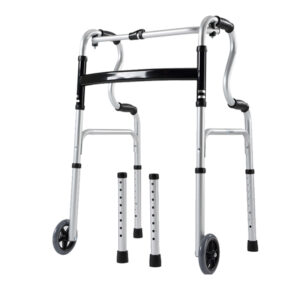
Wheel setups vary based on what you do and where you go. Sports wheelchairs use aerodynamic designs with high-performance materials. This gives you speed and agility. Manual wheelchairs work better with durable wheels that handle different ground types. Bariatric models need reinforced wheels with more weight capacity and strength. The Parts & Accessories market hit USD 5.2 billion in 2024. It should reach USD 8.1 billion by 2032. This growth comes from the hyper-personalization trend.
Frame materials affect your chair’s weight and how long it lasts. Lightweight alloys like carbon fiber and titanium cut weight but stay strong. These materials make manual pushing easier. Plus, they improve how easy your chair is to carry.
Control systems and power parts turn electric wheelchairs into precise tools. Custom controls fit different physical abilities. Options range from modified joysticks to adaptive switches. IoT-enabled controllers link your wheelchair to smart devices. Better batteries and motors give you longer range and stronger performance. The Components segment should grow from USD 3.2 billion in 2024 to USD 5.0 billion by 2032. This shows demand for smart tech.
3D printing creates personalized accessories. Manufacturers make adaptive controls, special cup holders, phone mounts, and positioning devices on-demand. This printing method makes unique parts that old methods can’t match. It also cuts design time and production costs through parametric modeling and finite element analysis.
How Wheelchair Frame Customization Affects Performance
Frame customization changes how well your wheelchair moves. It also affects how much energy you use. Your frame geometry matters—angles, tube lengths, and joint positions tell you where your body sits relative to the wheels. This positioning controls how you push.
Custom frame angles boost your pushing power. Engineers adjust seat angles and back height to match your body measurements. You get better leverage on the wheels. Your shoulders and arms work at the best angles. Each push puts less strain on your joints and muscles. Studies show that precise body measurements through fitting chairs check your seating position before the final frame gets built. The result: less physical fatigue during use.
Lighter weight makes a real difference. Custom frames use lightweight materials like carbon fiber. They cut extra mass without losing strength. Tests confirm that wheelchair weight changes how well you can push it. Remove one pound, and you get easier pushing. You also get faster speed and better movement across different surfaces. Users notice they can travel farther without getting tired.
Power and Mobility Upgrade Options
Electric wheelchairs boost your movement with better power systems and smart tech. You get longer range, faster speeds, and easier control on tough ground.

Battery tech builds the base for performance. Lithium-ion batteries run most modern electric wheelchairs. They hold more energy in lighter packs than old lead-acid types. A good lithium battery powers your chair 15-20 miles per charge. Some high-capacity models go 25+ miles. Battery weight dropped big—from 60 pounds for lead-acid to 25 pounds for lithium-ion. Same power, less weight to move around.
Motor upgrades open up new abilities. Brushless DC motors run smooth and quiet. They need little care. Mid-wheel drive motors work great for tight indoor turns. You can spin in place right where you sit. Rear-wheel drive motors do better outside. They climb curbs and roll over grass, gravel, and slopes. Front-wheel drive systems give you stable forward grip. Pick motor placement based on where you spend most time.
Smart controllers match your physical needs. Standard joysticks let you adjust speed and touch response. Other controls help users with limited hand use. You can choose sip-and-puff systems, head arrays, chin controls, or foot pedals. Controllers can save different speed settings. One button switches you from indoor mode to outdoor mode. Modern systems connect to your smartphone. Check battery levels, track service times, and change settings through apps.
Suspension systems make rides smoother. Each wheel has its own suspension to soak up bumps and uneven ground. Your body feels less shock. Good shock absorbers keep wheels touching rough ground. This holds traction steady and stops risky tipping. Full suspension costs more but helps a lot if you go outside often.
All-terrain wheelchair changes let you go more places. Bigger wheels with deep treads grab loose dirt, sand, and snow. Heavy-duty axles handle the extra stress from rough use. Strong frames stop damage from hits. Beach wheelchairs use balloon tires that roll over soft sand. Track systems swap out wheels for extreme ground. These changes turn regular power chairs into adventure-ready rides.
Making Your Wheelchair Look Like You
Your wheelchair shows who you are. Colors, finishes, and visual touches turn basic medical gear into something personal. Wheelchair colors go from bright metallics to soft matte shades. Companies make powder-coated frames in many colors. Pick what feels right to you.
Frame finishes make your chair stand out. Glossy paint gives a sleek modern vibe. Matte finishes create a classy, low-key style. Chrome accents bring eye-catching shine to key parts. Carbon fiber patterns show through clear coats for a sporty tech look. Anodized aluminum frames come in electric blue, deep purple, or racing red. Each finish handles scratches differently and needs different care.
Graphics and decals add your personal touch. Custom vinyl wraps come with patterns, logos, or artwork. Sports team colors show what teams you support. Geometric designs catch the eye. Some people put motivational quotes or personal symbols on their frames. Removable decals let you switch up the look anytime.
Spoke guards mix safety with style. These covers protect clothing and fingers from wheel spokes. They also give you space to customize. Print photos, team logos, or abstract art on tough materials. LED-lit spoke guards light up at night for safety and style.
Upholstery fabrics change comfort and looks. Pick from breathable mesh, padded vinyl, or weather-proof nylon. Patterns include solid colors, camo, animal prints, or custom stitched designs. Match your armrest and backrest fabrics for a unified look. Mix and match colors for a bold statement.
Among spinal cord injury users, 97% of manual wheelchairs get some customization. Appearance changes rank high on the list. Your chair becomes part of your identity, not just mobility gear.

Benifits of Custom Wheelchair Fitting
Standard wheelchairs fail most users. 80-90% of wheelchair users don’t fit right in off-the-shelf models. This mismatch creates health problems you can prevent. Plus discomfort. It limits what you can do each day.
Custom fitting solves these problems. Professionals measure your hip width, seat depth, back height, leg length, and armrest height. These measurements create a chair that spreads your weight the right way. Pressure moves away from weak areas. Your body sits straight.
Direct Health and Comfort Improvements
Pressure injuries drop after custom fitting. Precision cushions use polymer straps, gels, air cells, and special foams. These materials let you shift weight throughout the day. Tilt and recline features give you position changes. You don’t have to leave your chair. Users report fewer new pressure ulcers after getting the right fit.
Your posture improves right away. Your spine gets the support it needs. Strain leaves your back, neck, shoulders, and hips. Chronic pain goes down. Your body rests in natural positions instead of fighting bad positioning all day.
Manual wheelchair users gain better push power. Custom seat-to-floor height puts your arms at the right angle. Better axle placement and wheel angle reduce how hard you push. Each stroke uses less energy. You travel farther without getting tired. Your shoulders and wrists get less stress that causes long-term injuries.
Broader Life Impact
The 3.3 million wheelchair users in the US face conditions like spinal cord injury, cerebral palsy, MS, and ALS. Custom fitting gives them better stamina for everyday tasks. You join in more at school, work, and community events. Your chair doesn’t hold you back.
You gain more freedom. Your confidence grows. Anxiety and depression tied to mobility problems go down. You need less help from caregivers for basic positioning and comfort fixes.
Caregivers benefit too. Custom designs reduce lifting strain. Back injuries, shoulder pain, and stress drop among loved ones and professional helpers.
Custom parts last longer than standard ones. Electric wheelchairs usually run 3-5 years. Quality custom builds go beyond this. You spend less on repairs and replacements. Healthcare costs drop. Fewer hospital visits for problems you can prevent.
Users describe their experience: “fits right, lightweight, comfortable, easy to move around.” They get back to active lives. Pressure measurements back up these reports with real comfort data. High satisfaction scores show up across posture and function tests.
Top Wheelchair Brands Offering Customization
Big wheelchair makers now compete on custom options. The global wheelchair market should grow from $6.25 billion in 2026 to $9.56 billion by 2034, with a 5.4% CAGR. North America holds 43.22% market share in 2025. This growth means brands offer more personal choices.
TiLite leads in ultra-light custom wheelchairs. Their TiFit process builds frames to your exact size using titanium, aluminum, and carbon fiber. Active users get maximum comfort here. You also get efficient movement and long-lasting strength. The precision design fits your body shape for better push power.
Sunrise Medical’s Quickie line stands out for flexibility. You can adjust the seating and add custom parts for indoor and outdoor use. The company launched the QUICKIE QS5 X in November 2024—a light folding chair with a strong frame. Their Switch-It Vigo head control system (January 2024) helps users with limited hand movement. Sunrise Medical holds over 50% market share in power assist technology with Yamaha and Permobil.
Invacare’s küschall brand fits active users. The K-Series Attract, Champion, and Advance models have adjustable seats that support your body well. Invacare competes with Permobil and Sunrise Medical as a major global brand.
Grace Medy focuses on smart adjustments. Their seats fit your specific posture needs and active life. Light designs make pushing easier. Plus, they stay strong.
Karma and Karman Healthcare make custom options affordable. Karma uses carbon fiber and ultra-light materials for their frames. Karman’s LT-980 Ultra Lightweight and S-Ergo 115 models give you body-friendly adjustments at good prices.
Permobil gives you wide customization for both powered and manual wheelchairs. They lead the powered wheelchair market with Invacare, holding over 50% combined market share.
Bowhead Design breaks new ground. Their next-gen Era Wheelchair launches in Canada and the U.S. in January 2025. It uses advanced carbon fiber for manual users who want top performance.
Conclusion
Your wheelchair should work for you, not the other way around. Wheelchair seat cushion options and adjustable wheelchair features give you endless ways to customize. Add custom colors that show your personality. You’re seeking better comfort for everyday use? Performance upgrades for staying active? Aesthetic touches that make your wheelchair yours? The right personalized wheelchair design boosts your independence and quality of life.
Customization pays off every single day. Better posture cuts down pain. Proper support stops complications. A wheelchair that fits your exact needs lets you do more. Don’t settle for a one-size-fits-all solution. Your body, lifestyle, and goals are anything but standard.
Ready to explore your options? Start by consulting with a qualified seating specialist or occupational therapist. They can assess your specific needs. Many modifications can be added over time. So you can prioritize what matters most. Build your ideal wheelchair step by step. Your perfect ride is waiting—it’s time to claim it.