
Every year, UK healthcare facilities and mobility equipment retailers face a tough challenge: finding lightweight manual wheelchairs that balance durability, comfort, and cost for bulk orders. Britain has over 1.2 million wheelchair users. The NHS sets strict quality standards. Choosing the right lightweight wheelchair manufacturer in the UK goes beyond a simple purchase—it’s about user safety and smooth operations.
You might be a procurement manager checking suppliers for a 200-unit hospital order. Or perhaps you’re a distributor looking for custom-built aluminium frames with specific weight capacities. This guide cuts through the marketing noise. You’ll see the technical abilities, certification standards, and production setup of Britain’s top wheelchair manufacturers. We compare titanium versus aluminium engineering with real data. You’ll decode ISO compliance requirements. Plus, you’ll find which UK manufacturers offer the customization depth and after-sales support your procurement strategy needs.
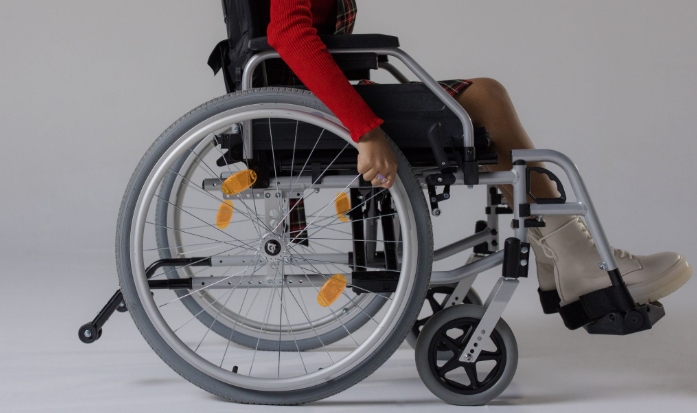
RGK Wheelchairs: UK’s Premium Titanium Wheelchair Specialist
RGK Wheelchairs makes ultra-lightweight wheelchairs that procurement teams call the gold standard. Based in the UK, they work only with titanium frames. This material gives healthcare facilities real performance benefits for active-use mobility equipment.
Core Material Science: Titanium Grade 9 powers RGK’s flagship models. The metal bends 25% (bend tolerance) compared to aluminium’s 8% and steel’s 15%. So it absorbs impacts better during use. Titanium matches steel’s strength but weighs 45% less. You can order chairs that support 110-125kg users without the bulk of traditional frames. This strength-to-weight ratio matters for wheelchair weight capacity requirements.
Octane Sub4 Production Specifications: The Sub4 shows RGK’s precision manufacturing. The frame weighs just 3.6kg dismantled (under 4kg complete). This self-propelled wheelchair fits seat widths from 250-440mm. Seat depths match the same range. Front seat height adjusts between 380-520mm. Each unit goes through 19 quality checks. Measurements stay within 5mm tolerance across 30+ custom parameters.
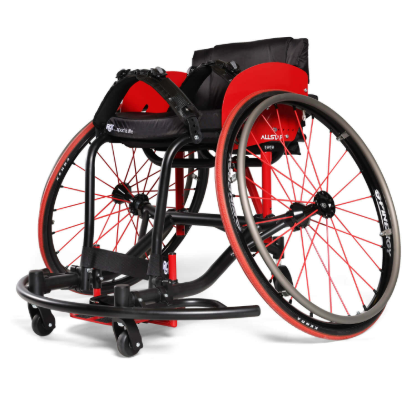
Model Range for Different Procurement Needs:
Sub4: 3.6kg titanium rigid frame, 110kg capacity—sports rehabilitation units
Maxlite: 7.5kg all-rounder, 100kg capacity—general wards and outpatient departments
Hilite XTR: 5kg transport weight, crash-tested—ambulance and patient transfer fleets
Octane FX: Folding manual wheelchair with Q-Lock mechanism—home care services needing compact storage
Customization Depth: RGK machines frames with adjustable camber (1°/2°/3°). They also offer taper seat geometry and toe-in/toe-out wheel alignment. Frame angles, seat angles, and backrest positions get made to order. This wheelchair customization works well for NHS trusts serving different patient groups.
Material Durability Evidence: Titanium fights off saltwater corrosion. Coastal healthcare facilities in Brighton, Cornwall, and Scottish regions report longer service life than aluminium wheelchair frames. Paralympic athlete Abdi Jama’s feedback shows real-world handling in competitive basketball. This proves the engineering performs under stress.
RGK’s titanium focus gives distributors clear benefits. You get weight reduction and structural strength. This matters for active users and institutions that value long-term assets.
CareCo’s Lightweight Aluminium Range for High-Volume Procurement
CareCo supplies healthcare providers with practical aluminium wheelchair frames. These are built for tight budgets and daily clinical use. The company serves care homes, NHS trusts, and mobility retailers across Britain. Their aluminium product line focuses on affordability and functional design. Premium materials? Not the priority here.
Aluminium Traveller Transit Wheelchair – Fleet Standard Model: This transit wheelchair is CareCo’s go-to for bulk orders. The frame weighs 11.2kg without extras. Add accessories, and you get 13kg total. It supports users up to 110kg (17 stone). This matches typical wheelchair weight capacity needs for general wards and care facilities.
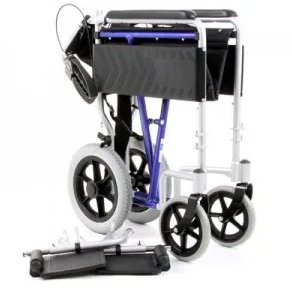
Space-Efficient Storage Design: The half-folding back compresses to 24cm width. Ambulance services and transport operators love this compact profile. Deployed dimensions are 93cm height × 95cm length × 62cm width. The portable wheelchair fits standard vehicle storage and care home closets with ease.
Standard Configuration Details:
– Seat dimensions: 46cm width × 43cm depth × 50cm height
– Rear wheels: 31.8cm (13″) diameter with solid tyres—no puncture repairs needed
– Front castors: 20.3cm (8″)—tight turning for indoor use
– Swing-away footrests—makes patient transfers easier
– Attendant brakes—needed for carer-controlled movement
– Nylon upholstery—wipe-clean surfaces for infection control
Procurement Alignment: CareCo’s 11.2-13kg weight falls in the 8.9-17kg range. Procurement teams call this lightweight. This folding manual wheelchair works for patients who need attendant help, not self-propulsion. Care homes order 50-100 units at a time. The solid tyres cut maintenance costs compared to pneumatic options.
The aluminium build resists rust. This helps with long-term asset management. Tight budgets? You get functional mobility equipment here. No titanium pricing to worry about.
Quickie (Sunrise Medical): Ultra-Lightweight Innovation Since 1980s
Marilyn Hamilton changed wheelchair engineering forever. A 1977 hang-gliding accident left her paralyzed. She refused to accept heavy, institutional mobility equipment. By the 1980s, she launched Quickie with a bold idea: use aviation-grade materials in manual wheelchairs. That work made Sunrise Medical’s Quickie line the top name in ultra-lightweight wheelchair manufacturing today.
Q7/QXi Flagship Engineering for Active Users: The Q7 and QXi models show Quickie’s technical strength. Base models start at 28-28.8 lbs (12.7-13.1kg). The lightest setups hit 28 lbs. The product range spans 20-30 lbs (9-13.6kg) depending on options. This self-propelled wheelchair uses 7000-series heat-treated aluminium wheelchair frames. Aircraft makers use the same grade for structural parts.
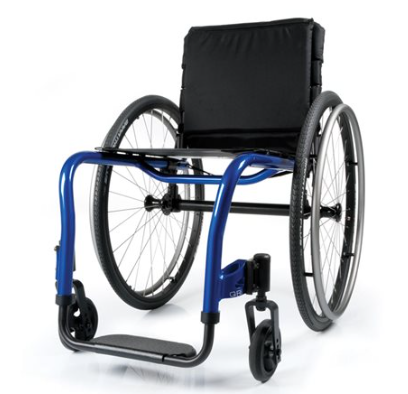
Three-Arm Crossbrace Architecture: The frame holds Quickie’s signature three-arm crossbrace. This aviation-inspired design gives you strength without extra weight. The rapid-adjust axle plate system is simple. Technicians can modify four key settings in under one minute using just a 10mm hex wrench:
Center of gravity positioning
Seat-to-floor height (12.5″-19.5″ range, front/rear independent)
Camber angle (0°-3° adjustment)
Wheel spacing
Dimensional Flexibility for Custom Orders: Teams can specify seat widths from 14″-20″ (35.6-50.8cm). Seat depths cover the same range. Back height adjusts between 13″-20″ (33-50.8cm) with angle options. Rear wheel choices run from 20″-26″ diameter. This wheelchair customization range serves varied patient needs. No separate model stock required.
Weight Capacity Performance: Standard models support 265-300 lbs (120-136kg) users. Heavy-duty variants like the IRIS tilt model hold up to 400 lbs (181kg). The IRIS features 55° rotation around the center of gravity. It’s the lightest tilt system in its class.
Component-Level Specifications: Quick-release axles make wheel removal fast for transport. Elevating swing-away legrests help with transfers. Armrest options include fixed, flip-back, and height-adjustable designs. Pneumatic tire packages work well for active outdoor use.
Quickie’s modular platform gives NHS trusts and distributors full control. You get aircraft-grade strength with clinical adjustment options. This matters for portable wheelchair fleets serving rehab departments and active mobility users.
Grace Medy: Custom Ultra-Lightweight Solutions
Grace Medy runs a 32,000 m² factory focused on wheelchair customization options from start to finish. Their R&D team converts your specs into ready-to-build designs. Standard catalog models often miss your facility’s exact needs. That’s where custom work helps.
Weight Class Engineering: Grace Medy builds ultra-lightweight wheelchairs in the 8-12kg (18-26 lbs) range. Standard manual models weigh 32-40 pounds (14.5-18kg). This weight gap affects how care staff handle chairs each day. It also impacts patient independence. Their lightweight frames use aluminium and steel builds. Material choice depends on your wheelchair weight capacity needs and budget.
Custom Development Process – Four Stages:
-
Specification Workshop: Your team sits down with Grace Medy’s R&D engineers. You define frame size, weight limits, folding parts, and seat materials. Color matching, brakes, and wheel types get written down here.
-
Prototype Engineering: Engineers turn your brief into drawings. They figure out load spread, stress points, and aluminium wheelchair frame wall thickness. Sample units get tested before bulk production starts.
-
Production Setup: Lines set up for your order specs. Grace Medy handles ODM (Original Design Manufacturer) and OEM (Original Equipment Manufacturer) work. Retailers get custom branding. NHS suppliers get compliance-focused builds.
-
Quality & Packaging: Each portable wheelchair goes through inspection points. Package design fits your storage and shipping needs. Box protection, wood crate options, and labels match where you’re sending them.
Product Configuration Examples:
Foldable Travel Model (B.01.01.01.039): Steel frame, 3-year shelf life, Class I medical tool—works for care home fleets
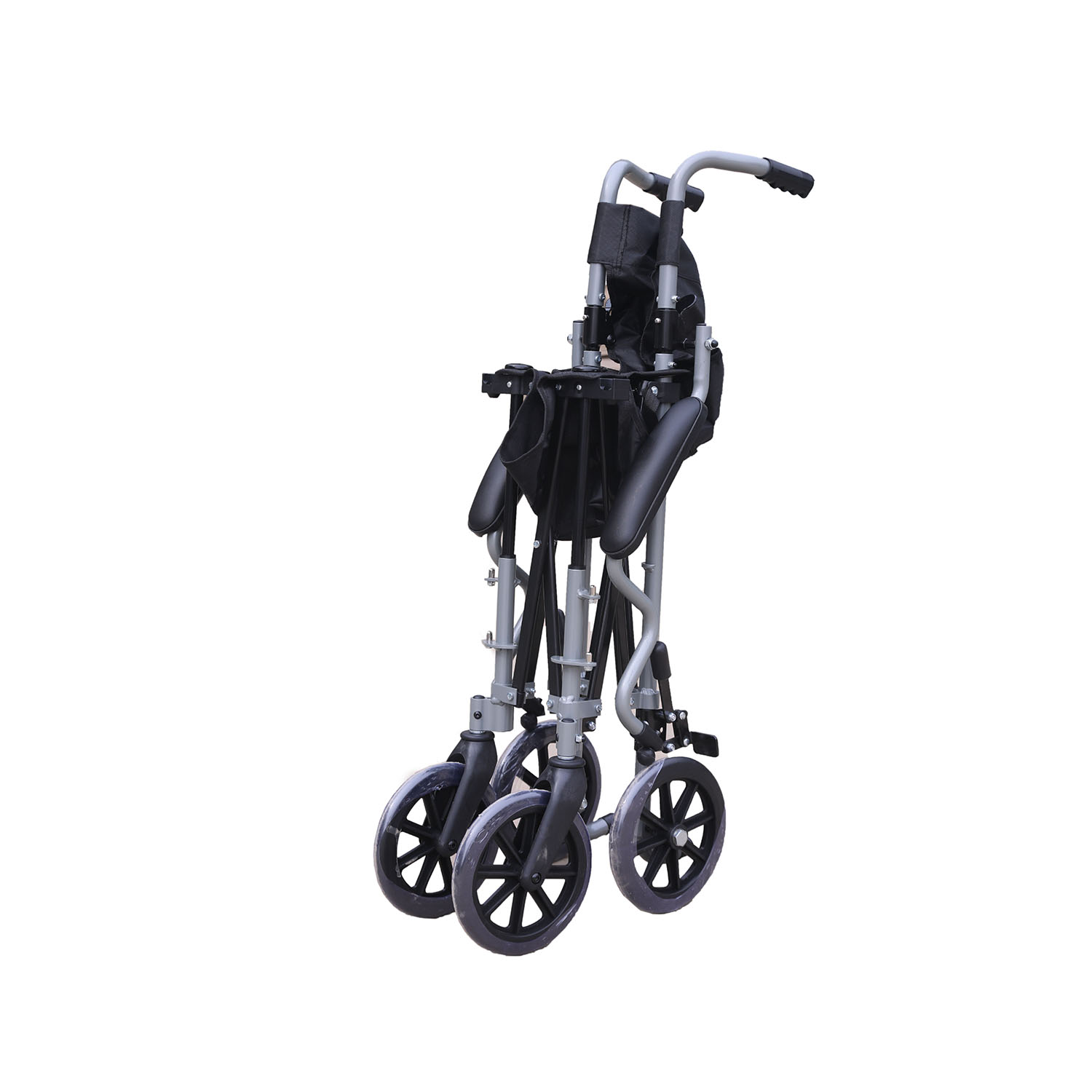
Standing Electric Variant: 125×70×68cm box size, rehab training function, standing part—fits specialized rehab centers
Lightweight Electric Folding: 100kg capacity, 110×65×95cm size, steel build—good for transport services needing power assist
Pricing Structure for Custom Orders: Manual custom wheelchairs cost $1,000-$10,000+ per unit. Price shifts based on material grade, adjustment parts, and order size. Bulk orders over 100 units unlock volume discounts. Grace Medy’s disability mobility equipment catalog has walkers and transfer machines too. Procurement teams get single-source options for complete mobility programs.
Material Comparison: Titanium, Aluminium, and Magnesium
Choosing the correct wheelchair frame material matters more than marketing. It determines how long your fleet lasts and your total ownership costs. Magnesium has lightness on its side. But here is the catch: it often needs thicker tubing to match the strength of Titanium or Aluminium. This kills the weight advantage. So, don’t rely on density alone to judge durability.
Titanium (Grade 5) is the top pick for active users and humid places. The upfront cost is higher, I admit. But the quality backs it up. You get amazing strength and rust resistance. This gives you a 5+ year service life and high resale value. Magnesium, on the other hand, suits ultra-light travel needs. But it has low fatigue limits and resists corrosion poorly. You might need to replace it within 30 months.
Aluminium works well as a balanced choice for standard care home fleets. You get reliable performance at a fraction of Titanium’s cost. It just doesn’t handle high stress quite like Titanium does. Don’t look only at the sticker price when buying. A “cheap” Magnesium fleet might cost you double over five years in repairs. Put your money in Titanium or high-grade Aluminium. It often brings better value over time.
How to Pick Your Lightweight Wheelchair Maker
Buying teams often waste weeks on suppliers. Some just can’t handle big orders. You want to cut decision time. You also want to stop surprises after signing the deal. Use a strict system to filter real makers from resellers. Do this before you even ask for quotes.
Start with a clear spec sheet. Don’t be vague. Ask for Titanium or Aluminum frames under 30 lbs. Make sure they handle 250-300 lbs plus a safety buffer. Set exact turning circles for real-world use. Check their size too. A good partner makes over 100,000 units a year on automated lines. Ask for FDA, ISO, and CE papers now. You also need proof of weather and stress tests.
Make a shortlist with a scoring system. This keeps things fair. I recommend giving 25% to Production Capacity. Then give 20% each to Quality Systems, Financial Stability, and Innovation. This finds suppliers who spend on research and stability. It avoids those who only offer low prices.
Test the samples yourself. Run three tests. First, have therapists check posture and use for 2-4 weeks. Second, test strength. Put 350 lbs on the frame to see if it bends. Check shock absorption too. Third, fold the chairs 500 times. This mimics six months of usage. Protect your supply chain next. Tie warranties to failure rates in the contract. Secure your designs. Split your orders between two factories. One might delay, but the other keeps you running.
Conclusion
Pick the best lightweight manual wheelchair manufacturer in the UK. This choice shapes your procurement success, patient satisfaction, and ongoing costs. RGK offers titanium precision engineering. CareCo provides cost-effective aluminium solutions. The UK market has manufacturers ready to meet diverse B2B needs. You might be equipping NHS facilities, expanding retail inventory, or sourcing specialized ultra-lightweight wheelchairs for care homes.
Focus on three key factors when selecting a supplier. First, check for quality certifications (ISO 13485, CE marking). Second, look at manufacturing capabilities (factory audits, quality testing reports). Third, review their track record with similar projects. Don’t settle for poor weight-to-durability ratios. Customization flexibility matters too. These elements drive user compliance and cut down replacement needs.
Ready to source your next wheelchair order? Request detailed technical specs, sample units, and volume pricing from your shortlist. Big procurements? Arrange factory visits to see production workflows up close. The right partnership turns wheelchair procurement into a real advantage. You get better care quality and smarter budget use.
