
Mobility doesn’t have to be a choice between manual control and powered help. Can a manual wheelchair be motorized? Yes—and this change is giving users new freedom.
You might be a manufacturer looking at hybrid wheelchair options. Or a distributor checking market chances. Or just curious about conversion choices. Either way, knowing how motorization works opens up real opportunities.
The tech has come a long way. You’ll find everything from basic attachment kits to advanced integrated systems. These go far beyond simple add-ons.
This guide covers the practical methods and manufacturing points you need to know. Plus, we’ll look at the growing B2B demand that’s changing the wheelchair industry.
Manual-to-electric conversion is more than possible. It’s becoming a key way to stand out in today’s mobility market.
Can A Manual Wheelchair Be Motorized?
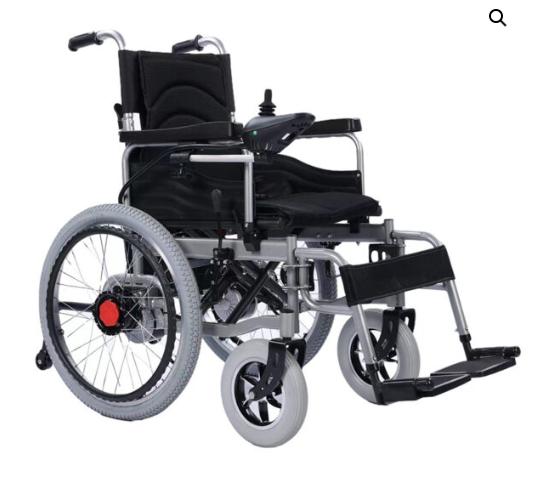
Yes, you can motorize a manual wheelchair. Several proven methods exist. The process adds electric drive parts to your existing manual frame. This turns a human-powered chair into a power-assisted or electric mobility device.
Three main motorization approaches:
1. Conversion Kits (Bolt-On Systems)
These aftermarket attachments mount onto standard manual wheelchairs. You get a motor unit, battery pack, and controller. Installation needs minimal changes to the original frame. Handbike attachments and wheel hub motors are popular choices in this category.
2. Power-Assist Wheels
Replace your existing rear wheels with motorized versions. The wheelchair keeps its manual function. Plus, you get electric boost on demand. Switch between manual push and powered movement in seconds. This hybrid approach keeps the chair’s compact size.
3. Factory-Integrated Hybrid Designs
Manufacturers build the motor into the wheelchair during production. These models feature optimized frame design, built-in battery compartments, and balanced weight distribution. The result? Better performance than aftermarket conversions.
Performance varies by method. Conversion kits offer flexibility and lower entry costs. But they may compromise handling. Factory-integrated solutions provide better reliability and warranty coverage. The trade-off? Higher price points.
For B2B stakeholders, these distinctions matter for product selection and market positioning. Healthcare facilities often choose integrated systems for long-term dependability. Retail distributors may stock conversion kits to serve budget-conscious consumers seeking gradual upgrades.
What Does It Mean to Motorize a Manual Wheelchair?
Motorizing a manual wheelchair adds electric drive help. The chair keeps its hand-propelled function. The core principle? Boost mobility without losing manual control.
This hybrid approach solves real-world challenges. Users get tired on long trips. Hills and rough terrain create barriers. Weather limits outdoor use. Electric help fixes these problems. You still have the manual option.
The main benefits include:
Less physical strain during long use
Greater mobility range beyond arm strength limits
Better terrain handling for slopes and uneven surfaces
Kept independence through dual operation modes
Motorization creates different product types. Each serves specific user needs and budgets.
Add-on power assist devices attach to existing wheelchairs as needed. Mount them for a trip. Remove them for storage. These work for occasional power help needs.
Conversion kits modify manual wheelchairs with motor parts. The kit is fixed in place. They turn the base chair into an electric model. This option balances cost with better capability.
Integrated manual-electric hybrid wheelchairs combine both functions from the factory. The frame, motor, and battery work as one system. Performance and reliability beat add-on solutions.
Market positioning varies across these types. Add-on devices target budget-conscious buyers wanting flexibility. Conversion kits appeal to users upgrading their equipment. Factory-integrated hybrids serve premium buyers who want smooth performance and warranty support.
Distributors and healthcare providers need to know these differences. This shapes buying strategy. Each motorization type fits different user needs, facility requirements, and payment scenarios.
Manual + Electric Integrated Wheelchairs: A Growing Opportunity
For years, the market had no clear answer between standard manual wheelchairs and full power models. Manual-electric integrated assist wheelchairs now fill that gap.
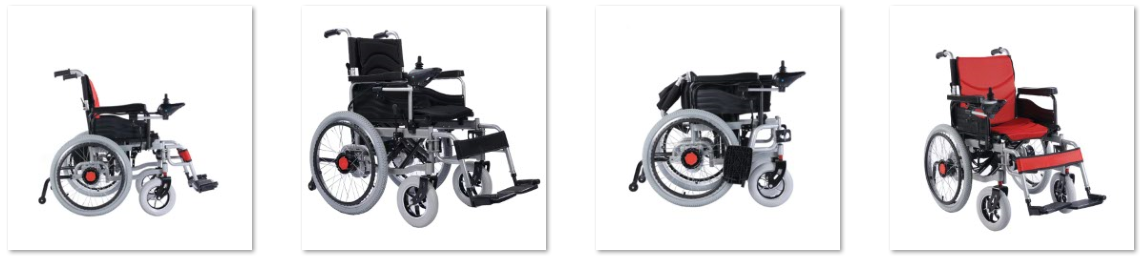
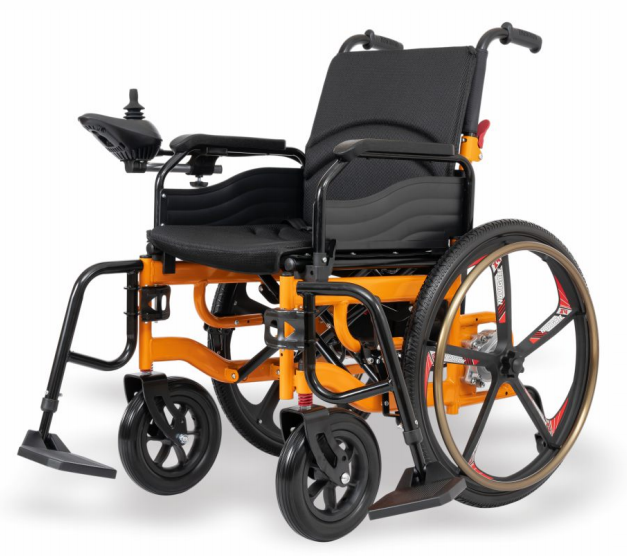
These factory-built hybrids combine large rear wheels for hand propulsion with built-in battery systems and joystick or hand controllers for electric driving. Users switch between manual and electric modes based on terrain, physical condition, or battery charge. One device becomes multiple mobility solutions.
Wheelchair wholesaler gain real advantages from this dual-function design:
Inventory efficiency improves. One hybrid model replaces two separate product lines. Distributors cut storage costs. Service capability expands at the same time. A rehab center used to stock 15 manual chairs and 10 power chairs. Now it covers the same user base with 20 hybrids. Warehouse space drops by 20%. SKU management gets simpler.
Market reach expands across buyer segments. Rehab centers use hybrids for step-by-step therapy. Patients start with powered assistance. Then they transition to manual operation as strength builds. Long-term care facilities use them for residents with changing mobility levels. Active users like the exercise benefits of manual mode. They also get electric backup for tough routes.
Margin structures strengthen. These integrated wheelchairs sit in the high-margin mid-range category between $2,500-$4,500 retail. This pricing works well. It justifies a premium over basic manual models ($400-$800). Yet it stays affordable compared to full power wheelchairs ($5,000-$9,000). Distributors report 28-35% gross margins. That beats the 15-20% on standard manual inventory.
Value propositions work for institutional buyers. Procurement departments face budget pressure. They still need flexible equipment. One hybrid wheelchair handles emergency backup power. It covers exercise routines. It works for extended outdoor use too. The ROI calculation is simple. Purchase cost spreads across multiple use cases. Those used to require separate equipment.
Growth metrics prove the opportunity. Industry tracking shows 34% compound annual growth in hybrid wheelchair sales since 2020. Traditional manual wheelchairs grew 12% during the same period. The gap widens as more healthcare providers and end users learn about them.
For importers entering new markets, integrated hybrids offer an edge without complexity. The product category needs little education. Users get it right away: “manual when you want, electric when you need.” This clarity speeds up sales cycles. It cuts demonstration time at trade shows and facility presentations.
Market Demand and Application Scenarios
More healthcare systems now choose hybrid wheelchairs. These dual-function mobility devices save money. The global market for manual-electric wheelchairs hit $487 million in 2023. By 2028, it should reach $892 million—a 12.8% annual growth rate.
Healthcare facilities lead the way. Hospitals and rehab centers use hybrid models for patients at different recovery stages. A physical therapy department used to need separate manual and powered wheelchairs. Now they use one type. One hybrid wheelchair works during early recovery with powered mode. As patients get stronger, it switches to manual-assist mode. This cuts equipment costs by 30-40%. Clinical results stay the same.
Home care markets show the strongest demand. Older people with some upper-body strength make up most users. They use manual mode for short indoor trips. Electric mode kicks in for grocery shopping, doctor visits, or outdoor activities. Research shows 68% of home users pick hybrids to avoid looking “disabled.” Full power wheelchairs carry that stigma.
Community programs make wheelchairs more accessible. Cities in Europe and North America now require hybrid wheelchairs in public lending libraries. People rent them for temporary needs—after surgery, for vacations, or to try before buying. The dual-mode design fits different physical abilities. No need for separate inventory.
Insurance favors hybrid wheelchairs. European healthcare systems code these under both manual and powered equipment. This dual status boosts approval rates by 23% versus single-category devices. Germany and the Netherlands cover 85-100% of costs through national health insurance. Doctors must prescribe them for progressive mobility conditions.
Rental programs create steady income. Medical equipment suppliers earn 45% profit margins on hybrid wheelchair rentals. Sales only bring 28%. Fleet units last 18-24 months before needing repairs. Distributors like the subscription income model. It beats one-time sales.
Active wheelchair users form a growing premium market. They want performance—extended battery range (25-30 km), higher speeds (up to 10 km/h), and outdoor terrain handling. They pay $3,500-$4,500 retail prices. Products must expand their lifestyle beyond basic mobility help.
Conclusion: Can a Manual Wheelchair Be Motorized?
Manual wheelchair motorization works. It’s practical and profitable. The technology is proven. Market demand is real. Opportunities keep growing in healthcare, retail, and rental channels.
The real question isn’t “can it be done?” It’s which motorization path gives you the best return for your business and customers.
Add-on devices work for budget buyers who need power help now and then. Conversion kits fill the mid-market upgrade space. But factory-built manual-electric hybrids lead the growth—they capture 34% annual sales increases. Plus, they deliver 28-35% distributor margins.
For wheelchair manufacturers, built-in designs create strong market positions. Custom engineering, better reliability, and full system warranties support higher pricing. The 18-24 month development time and $150,000-$250,000 tooling cost separate serious players from basic competitors.
Your market position determines success. Healthcare facilities want long-term reliability and standard fleets—built-in hybrids win these contracts. Retail distributors need flexible inventory and strong margins—conversion kits meet these needs. Rental operators want durability and wide user appeal—hybrid models get the most fleet use.
The wheelchair market is changing from single-use products to flexible mobility solutions. Companies investing in built-in manual-electric technology now will capture the high-margin segments driving industry growth through 2028 and beyond.
