
You might think lithium batteries are standard in electric wheelchairs now. They’re not.
Not all electric wheelchairs come with lithium batteries. Most manufacturers still use sealed lead-acid batteries as the default. Lithium? That’s a premium upgrade. This upgrade affects your pricing, logistics, and how happy your customers will be.
The market has four main battery types right now. Some manufacturers ship lithium as standard equipment. Others only offer aftermarket conversions. Knowing the difference can make or break your import deal. It can save you from surprises at customs too.
Are you a wholesaler checking MOQ requirements? Or an importer doing shipping weight calculations?
This breakdown shows you the battery technologies you’ll actually find. Plus, you’ll learn how to make smart buying choices that match what your target market wants.
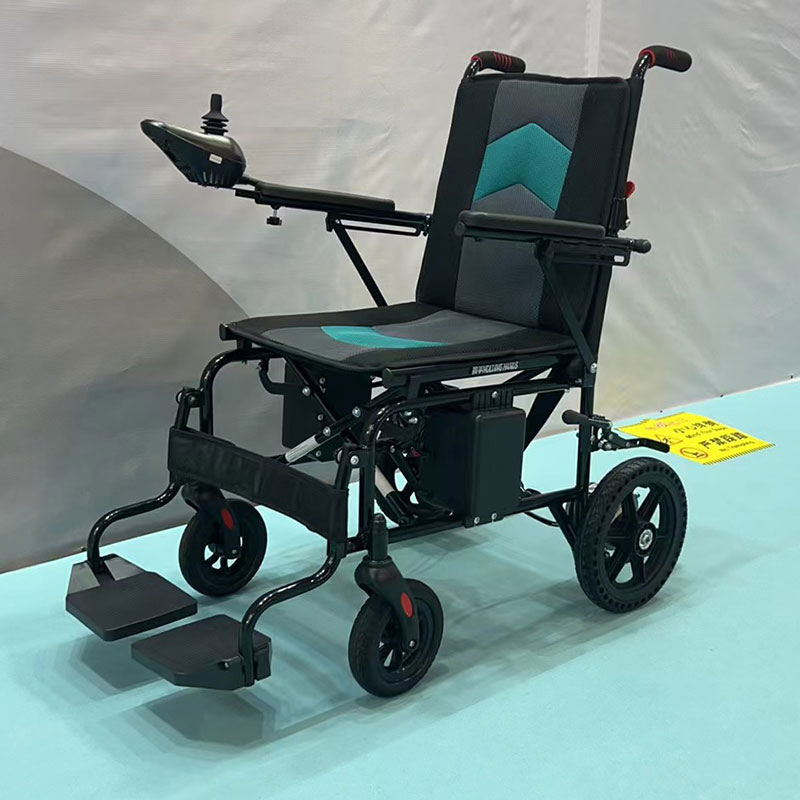
Do All Electric Wheelchairs Have Lithium Batteries?
Electric wheelchair battery choice comes down to three things: price, what your market wants, and safety certifications.
Lead-acid batteries power most budget and mid-range wheelchairs. Makers pick them for good reasons. Production costs stay low. This keeps wholesale prices competitive. Maintenance is simple. After-sales support gets easier. Your repair team needs no special training.
Lithium batteries show up in high-end models and special-use chairs. Portable folding wheelchairs? Almost all use lithium. Weight makes a huge difference here. A lithium pack weighs 5-8 kg. Lead-acid batteries for the same power? 20-25 kg. This gap changes everything for airline rules and how users handle the chair.
Your customers decide which battery type wins. Hospitals usually go for lead-acid. Their staff already knows these systems. Tight budgets push them toward lower upfront costs. Home care buyers? They want lithium if they need to move the chair around a lot.
Safety rules differ a lot by battery type. Lithium needs UN38.3 testing for air shipping. You must have MSDS papers. Lead-acid follows other shipping rules. These differences hit your shipping plans and import costs hard.
Look at it from a factory view too. Battery type shapes warranty length, spare parts you stock, and service network needs. Smart buyers check total costs over time, not just the FOB price.
Electric Wheelchair Battery Types: Current Market Standards
The electric wheelchair market uses four main battery types. Each one fits different buyer needs.
Sealed Lead-Acid (SLA) batteries work best for entry-level wheelchairs. Makers prefer them because they cost less. A standard 12V 20Ah SLA pack costs $30-50 wholesale. The same size in lithium? $150-200. This price difference is why budget models use SLA. You get 300-400 charge cycles before you need a new one.
AGM (Absorbed Glass Mat) batteries fall in the middle range. They use lead-acid tech but work better. The glass mat stops acid from spilling. So they’re safer for indoor use. Hospitals and care homes pick AGM over standard SLA. Price? Around $60-80 per unit. They last 500-600 cycles with good care.
Lithium-ion batteries run premium portable models. They weigh 70% less than lead-acid batteries. A typical lithium pack gives you 1,000+ charge cycles. The downside? You pay more upfront. Plus, shipping rules are stricter. Air freight needs UN38.3 papers and special boxes.
Lithium iron phosphate (LiFePO4) is the newest option. It stays stable at high temps better than regular lithium-ion. Europe and Australia want this type for safety reasons. You get 2,000+ charges from these. Wholesale prices run $180-250 based on size.
Your target market tells you which battery makes sense. Buyers watching their budget go for SLA or AGM. High-end buyers want lithium types.
|
Battery Type |
Full Name |
Weight |
Energy Density |
Cycle Life |
Charging Speed |
Maintenance |
Safety |
Cost |
Typical Use in Wheelchairs |
|---|---|---|---|---|---|---|---|---|---|
|
SLA |
Sealed Lead Acid |
Heavy |
Low |
200–300 cycles |
Slow |
Maintenance-free |
Medium |
Low |
Basic electric wheelchairs, indoor use |
|
AGM |
Absorbent Glass Mat (Lead Acid) |
Heavy |
Low–Medium |
300–500 cycles |
Medium |
Maintenance-free |
Higher than SLA |
Low–Medium |
Standard power wheelchairs, stable performance |
|
Lithium-ion |
Lithium-ion Battery |
Light |
High |
800–1,000 cycles |
Fast |
Maintenance-free |
Medium |
High |
Lightweight, portable electric wheelchairs |
|
LiFePO4 |
Lithium Iron Phosphate |
Medium-Light |
Medium |
2,000–3,000 cycles |
Fast |
Maintenance-free |
Very High |
Medium–High |
High-end electric wheelchairs, long-term use |
Sealed Lead-Acid (SLA) Batteries: The Traditional Standard
SLA technology has run the electric wheelchair industry for over three decades. Factories stick with it because parts flow smoothly and repair shops understand these systems completely.
The main benefit? Stable performance at any price. A standard SLA setup gives 12V or 24V output. Voltage stays flat. Your customers get steady speed and torque. No surprises during use. Institutions buying wheelchair fleets need this reliability.
The weight issue doesn’t hurt sales. Two 12V 35Ah SLA batteries add 22-26 kg to your wheelchair. For indoor use, this creates few problems. Nursing homes and rehab centers want durability, not light weight. They need batteries that handle rough treatment from multiple staff.
Temperature range gives SLA a clear edge. These batteries work fine from -15°C to 50°C. Lithium systems need heat management in tough conditions. Selling to hot or cold regions? Middle East summers or Canadian winters won’t cause SLA battery failures or complaints.
Parts are easy to find. Any local repair shop has SLA batteries in stock. Your service team needs no special training. Warranty claims close faster. Building relationships in new markets? This helps.
Charging setup is simple. Standard SLA chargers cost $15-25 wholesale. They plug into any wall outlet worldwide. No adapters needed. All wheelchair brands work together. This cuts down support calls and product returns.
B2B buyers selling to budget markets—Southeast Asia, Latin America, Africa—find SLA batteries the smart choice. The tech is old. The business logic still holds.
AGM Batteries: Better Lead-Acid Tech
AGM tech takes standard lead-acid design and fixes its weak points. The glass mat soaks up all the liquid inside. This stops acid leaks. Your warehouse team can stack these batteries sideways. No worries about spills or damage.
AGM resists vibration better than regular SLA. Electric wheelchairs hit bumps, curbs, and rough ground every day. Standard lead-acid batteries lose power fast under constant shaking. AGM batteries handle this abuse. The glass mat holds the plates tight. Internal damage drops way down. You see this in warranty claims—AGM models need 30-40% fewer battery replacements.
AGM lasts 500-600 cycles with proper charging. That’s 50% more than basic SLA batteries. For B2B buyers, this cuts replacement costs over the wheelchair’s life. Hospitals running 20-30 wheelchairs? The savings add up fast. Calculate total cost of ownership. Don’t just look at unit price.
Mid-range wheelchair models use AGM as the sweet spot. You get better performance than SLA. But you skip the high costs and shipping headaches of lithium. Wholesale pricing sits at $60-80 per battery. That’s double SLA costs but one-third of lithium prices. Your profit margins stay healthy. Plus, you offer upgraded specs.
Indoor institutional buyers prefer AGM for one clear reason. Maintenance staff can service these batteries without risk. No special ventilation needed. No thermal runaway risks like lithium systems. Fire safety inspectors approve them without hassle. This matters for care facilities with strict safety rules.
Lithium-Ion Batteries: Premium Upgrade Option
Lithium-ion technology transforms the wheelchair user experience. The performance jump from lead-acid to lithium? It’s huge.
Weight reduction is the biggest selling point. A standard lithium-ion pack for electric wheelchairs delivers 24V 10Ah at just 3-4 kg. Lead-acid weighs 20-25 kg for similar capacity. Your customers using folding electric wheelchairs notice this right away. They can lift the chair into a car trunk alone. No second person needed. Airlines approve these chairs faster too. Lighter cargo means easier approval for cabin storage.
Charging speed cuts waiting time by 60-70%. Lead-acid batteries need 8-10 hours for a full charge. Lithium-ion? Done in 3-4 hours. Fast charging options push this to 2 hours. Active users who need their chair all day benefit most. They charge during lunch breaks instead of overnight. Your customers living in small apartments appreciate not blocking outlets for half a day.
Range performance separates lithium from other battery types. These electric wheelchair batteries maintain steady voltage throughout discharge. Users get steady speed until the battery hits 20% capacity. Lead-acid batteries slow down as charge drops. A lithium system rated at 25 km delivers 25 km. Lead-acid batteries? Real-world range often falls 20-30% short of specs.
Travel-focused wheelchair designs depend on lithium technology. Portable folding electric wheelchairs targeting frequent flyers need UN38.3 certification. Most major airlines require lithium batteries under 300Wh for passenger cabins. Manufacturers design around this limit. You see 24V 12Ah configurations in every airline-friendly model on the market.
Temperature management needs attention with lithium systems. These batteries perform worse below 0°C without heating elements. Buyers in cold climates need models with built-in thermal management. Canada, Northern Europe, parts of China—these regions require this feature. This adds $40-60 to manufacturing costs. But it prevents customer complaints about winter performance drops.
The lifespan advantage justifies higher upfront costs. Quality lithium-ion packs deliver 1,000-1,500 charge cycles. That’s 3-4 years of regular use before capacity drops below 80%. Total cost of ownership beats AGM batteries once you calculate replacement frequency. Smart B2B buyers explain this math to end customers. It closes sales on premium models.
Lithium Iron Phosphate (LiFePO4): Top Performance
LiFePO4 chemistry leads electric wheelchair battery technology today. Factories use these batteries in their best models. Performance matters here.
Heat stability makes LiFePO4 different from standard lithium-ion. The phosphate cathode stays stable up to 270°C before it breaks down. Regular lithium-ion? Heat problems start at 150-180°C. This big safety gap matters for hot climates. Middle East buyers, Australian distributors, and South Asian markets request LiFePO4 for outdoor mobility products. Fire risk drops to near zero under harsh conditions.
Quality cells last 2,000-2,500 full charges. Your customers get 5-7 years of daily use before power drops below 80%. Standard lithium-ion? 1,000-1,500 cycles. The numbers work for premium buyers. A LiFePO4 pack costs $220-280 wholesale. You’re selling batteries that last twice as long. Buyers looking at five-year fleet costs see clear money savings.
Deep discharge tolerance saves batteries from user errors. LiFePO4 handles draining to 0% many times without lasting damage. Users forget to charge overnight? Their battery survives. Standard lithium-ion loses a lot of power after deep drains. This tolerance cuts warranty claims by 40-50% based on data from European wheelchair sellers.
Charging works well across all temperatures. These batteries charge fully from -10°C to 45°C. Northern European markets need winter performance. LiFePO4 delivers without costly heating systems. Your product works in Oslo winters and Dubai summers. Same battery setup.
European and Australian safety rules prefer LiFePO4. CE and TGA tests go faster with phosphate chemistry. Regulators see these batteries as safer by nature. Import papers get easier. Customs delays drop with low-risk battery tech.
Premium wheelchair makers build full product lines around LiFePO4. Brands sell to medical centers, government buyers, and wealthy private customers. They list this battery type as standard gear. The performance boost justifies the price gap. Quality beats low cost in these markets.
Factory-Equipped Lithium Models vs. Aftermarket Upgrades
Factory-equipped lithium systems come as complete units. The battery, mounting parts, wiring, and charger all work together. We design every piece to function as one system. Testing covers the whole setup. This protects your safety certifications and warranty.
Certified factory lithium packages pass full system checks. The battery system connects to the wheelchair’s controller. Temperature sensors link to heat protection circuits. Short-circuit guards work with motor controls. Outside labs test the complete setup. You get UL, CE, or FDA clearance for the whole wheelchair—not just the battery.
Transport approval is simpler with factory systems. Airlines verify that your wheelchair meets lithium battery rules. Factory papers cover the complete electrical system. One certificate shows battery capacity, mounting style, and disconnect features. Customs processes these documents faster. No “modified product” questions to slow you down like aftermarket versions face.
Aftermarket lithium upgrades cause compatibility problems. The new battery may fit the space. But will its voltage pattern work with the controller? Lead-acid batteries drain power at different rates than lithium types. Controllers built for one type can fail with another. Users see jerky speed control, sudden shutdowns, and shorter range after DIY battery changes.
Your warranty vanishes with unapproved changes. Wheelchair makers cancel coverage if you install non-approved batteries. A fire from an aftermarket swap? You’re liable. Manufacturers reject service claims on chairs with third-party electrical changes. Smart distributors understand this risk. They tell customers about it before cheap battery upgrades seem tempting.
Missing safety tests create real hazards. Aftermarket battery sellers skip testing with specific wheelchair models. Charging settings may not match. The original charger might overcharge a lithium battery built for different voltage ranges. Fire risk goes up without proper system pairing.
We’re an electric wheelchair manufacturer. We guide distributors to factory-certified lithium setups. The upfront cost is $200-350 more than buying the base model and adding batteries later. But this protects your business from legal claims, warranty fights, and customer safety problems. Product performance stays consistent across all your sales.
Conclusion for Wholesalers and Importers
Battery choice shapes your entire wheelchair import strategy. Not all electric wheelchair models use lithium batteries. The market breaks into four types—SLA, AGM, lithium-ion, and LiFePO4. Each type targets different buyers. Price points vary. Performance differs too.
Match battery type to your target market first. Budget buyers in Southeast Asia, Latin America, and Africa need SLA or AGM systems. Premium markets in North America, Europe, and Australia want lithium or LiFePO4 tech. Your electric wheelchairs batteries choice impacts MOQ talks. It affects shipping papers. Total landed costs change based on this decision.
Work with an experienced electric wheelchair manufacturer. This protects your business from expensive mistakes. Factory-certified battery systems pass safety tests. You get full warranty coverage. Customs clearance goes faster with proper UN38.3 papers for lithium shipments. DIY battery upgrades? They create liability risks. Your warranty gets canceled too.
Calculate total ownership costs, not just FOB prices. A $200 lithium upgrade gives 2-3 times more charge cycles than lead-acid. Your institutional buyers run wheelchair fleets. They see clear savings over five years. Smart importers explain this math. Premium sales close easier this way.
Battery rules change by region. European markets prefer LiFePO4 for safety certs. Airlines limit capacity under 300Wh for cabin approval. Your supplier should give you full compliance papers before you commit to container orders.
Pick your electric wheelchair supplier based on battery knowledge and certification support. You get stable supply this way. Long-term market success follows. Customers trust your products more.
