
The Application of Manual Wheelchairs in Hospitals
A manual wheelchair is one of the most widely used mobility devices in hospitals. It plays a key role in patient transport, short-distance movement, and daily recovery support. In many hospital departments, the manual wheelchair is used every day. It helps patients move safely, supports caregivers, and improves the overall care process.
Even with the growth of powered mobility equipment, the manual wheelchair remains one of the most practical and cost-effective solutions in medical settings. It is simple to use, easy to maintain, and flexible across many care environments. For hospitals, clinics, and rehabilitation centers, the manual wheelchair is still a core part of patient care.
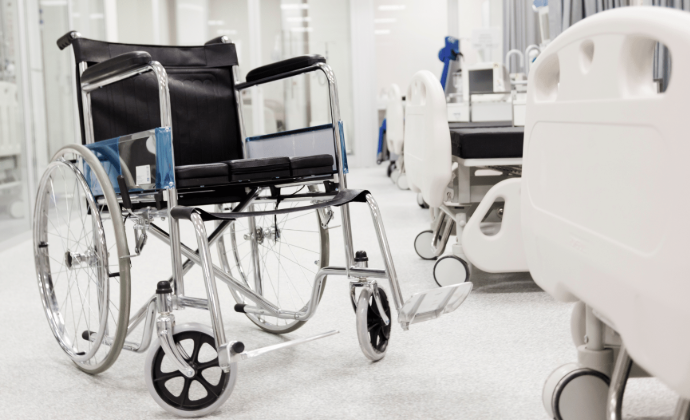
Why Manual Wheelchairs Are Still Essential in Hospitals
Hospitals need mobility equipment that is reliable, flexible, and easy to use. A manual wheelchair meets all of these needs. It can be used for short-term transport, temporary mobility support, and daily movement inside the hospital.
Unlike powered wheelchairs, a hospital manual wheelchair does not need charging. It is always ready for use. Staff can move patients quickly without waiting for battery support. This is especially useful in high-traffic departments such as emergency rooms, outpatient areas, and diagnostic units.
A lightweight manual wheelchair is also easier for nurses and caregivers to push. It reduces physical strain and improves work efficiency. A folding manual wheelchair is easy to store and can be placed in hallways, nurse stations, and transport zones for fast access.
For hospitals with high patient turnover, the manual wheelchair remains one of the most efficient mobility tools available.
1. Manual Wheelchair in the Examination Room
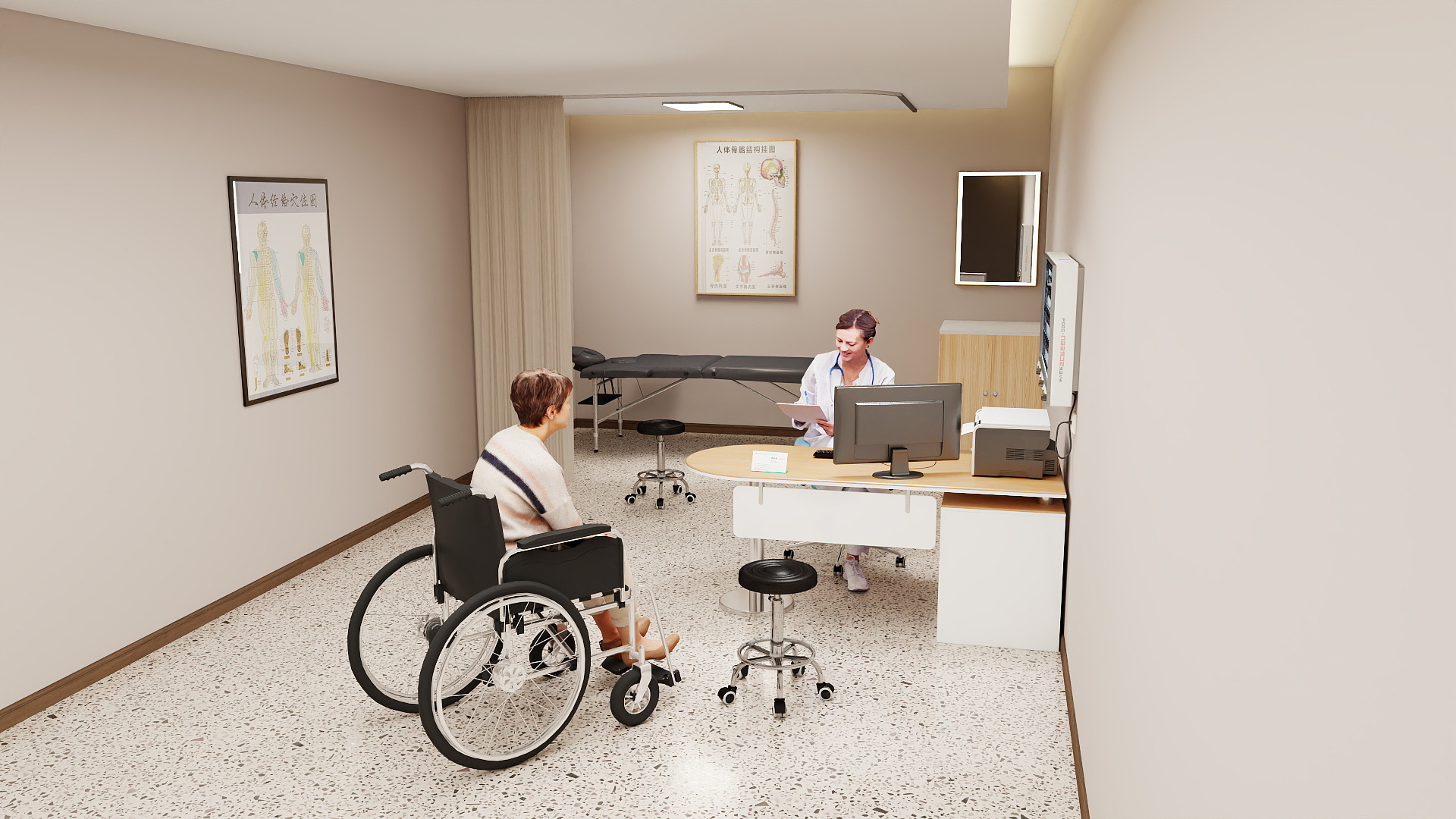
The examination room is one of the most common hospital settings for manual wheelchair use. Many patients who come for testing, consultation, or imaging support have limited mobility. Some are elderly. Some are weak after surgery. Some are in pain and cannot walk long distances.
A manual wheelchair helps these patients move safely from the waiting area to the examination room. It reduces walking strain and lowers the risk of falls.
Many hospitals also keep a manual transport wheelchair inside or near the examination area. This allows staff to quickly assist patients who feel weak during consultation or after treatment. In busy departments, this improves patient flow and supports faster room turnover.
For imaging rooms, such as X-ray or ultrasound, a lightweight manual wheelchair also helps move patients in and out with less effort. This makes the process smoother for both staff and patients.
2. Manual Wheelchair in the Emergency Room
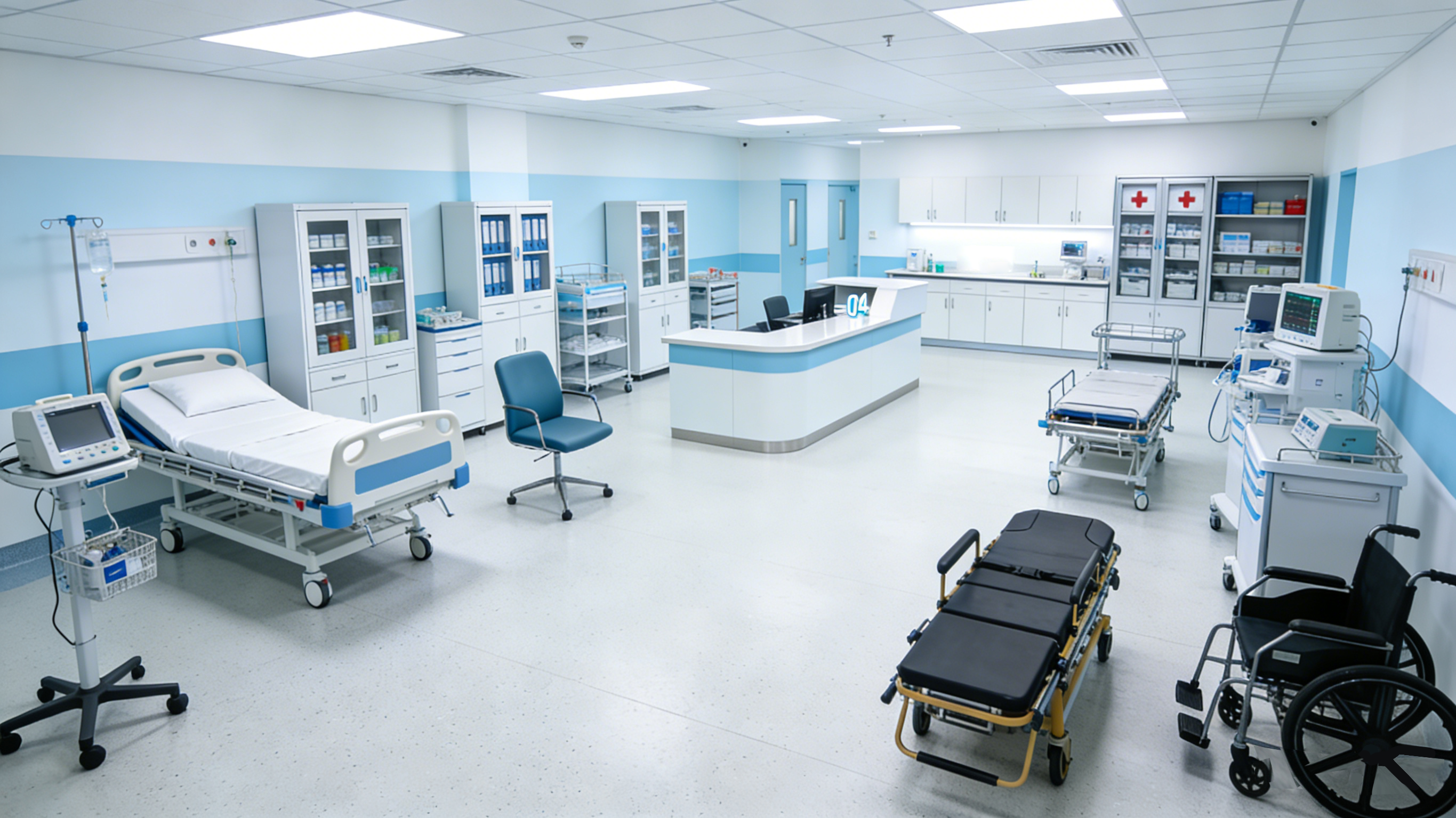
The emergency room is one of the highest-use areas for manual wheelchairs. Most patients entering the emergency department are not in normal physical condition. They may feel dizzy, weak, injured, or unable to walk.
A manual wheelchair in the emergency room helps staff move patients quickly from entrance to triage, from triage to treatment, and from treatment to observation. It is one of the fastest ways to transport non-critical patients inside the ER.
In many emergency cases, a manual wheelchair works together with a hospital stretcher. Patients with moderate symptoms may first enter by wheelchair before further evaluation. This improves circulation and helps staff manage patient flow more efficiently.
A durable manual wheelchair is important in this setting. Emergency departments need strong frames, smooth wheels, and reliable brakes for safe daily use.
3. Manual Wheelchair in Patient Wards
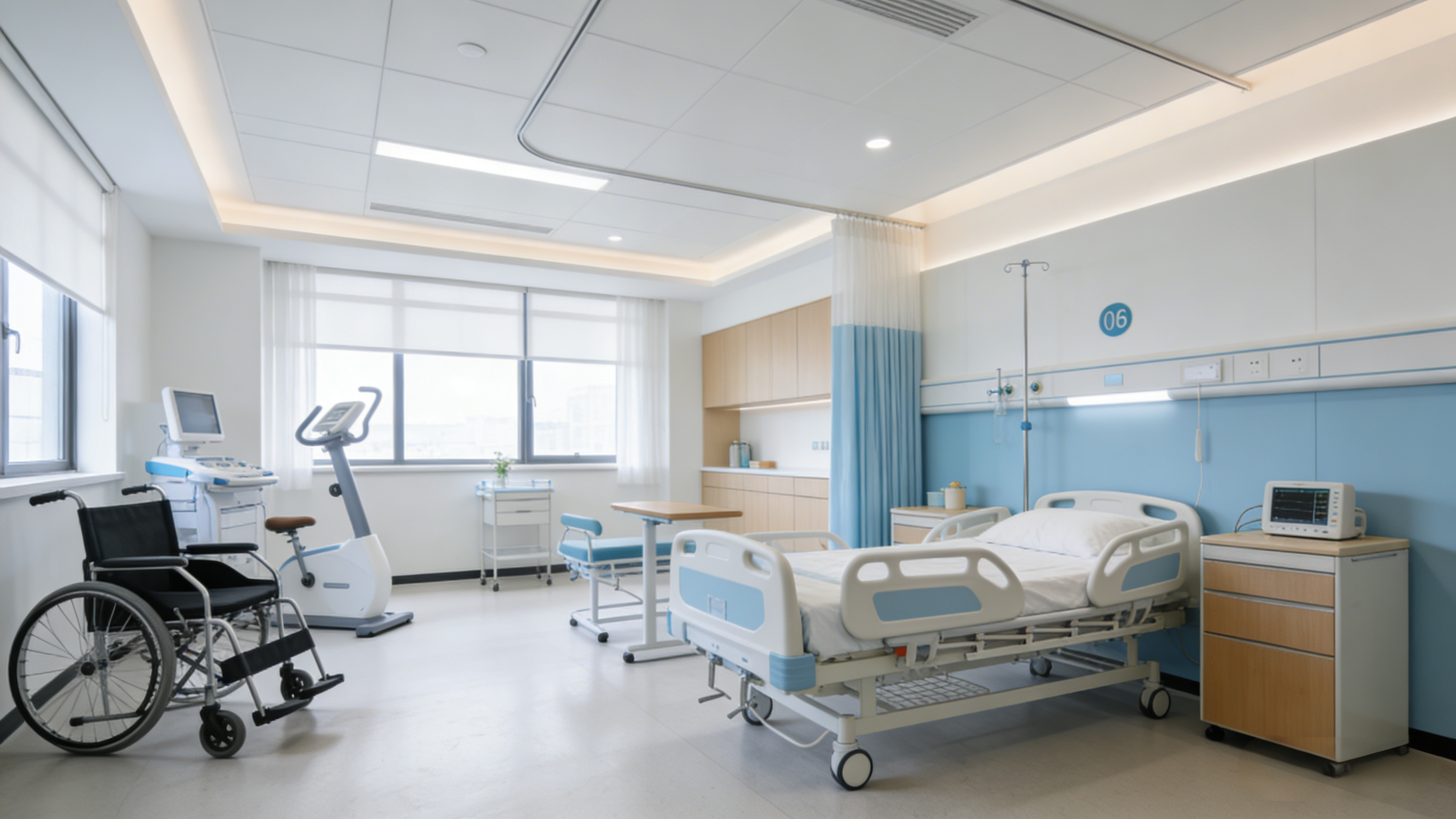
In patient wards, the manual wheelchair becomes part of daily recovery care. Many patients can leave the bed but still cannot walk safely on their own. In these cases, a bedside manual wheelchair provides essential support.
Patients often use a manual wheelchair to go to the toilet, visit the washroom, move to treatment rooms, or sit in the hallway for fresh air. This small movement can improve mood, reduce stress, and support recovery.
For long-stay patients, daily mobility is important. A comfortable manual wheelchair allows patients to leave the bed safely and regain confidence in movement.
For caregivers, a hospital manual wheelchair also reduces lifting strain. It makes patient transfer easier and lowers the risk of injury during routine care.
4. Manual Wheelchair in Rehabilitation Areas
In rehabilitation departments, the manual wheelchair supports mobility training and recovery planning. Many patients in rehab are not fully ready to walk without support. A rehab manual wheelchair gives them safe movement during this transition period.
Patients recovering from surgery, stroke, spinal injury, or orthopedic treatment often use a manual wheelchair between therapy sessions. It helps them move between treatment rooms, exercise areas, and rest zones.
Therapists also use manual wheelchairs as part of mobility training. Patients can build upper body strength, improve coordination, and prepare for more independent movement.
In this setting, a lightweight manual wheelchair is especially useful because it is easier to control and easier for patients to practice with.
5. Manual Wheelchair in Outpatient and Public Areas
Outpatient areas often serve large numbers of patients every day. Many of these patients can walk, but not for long distances. Elderly visitors, post-surgery patients, and patients with chronic pain often need temporary mobility support.
A folding manual wheelchair is ideal in these spaces. Hospitals often place them near entrances, registration counters, waiting halls, and pharmacy areas.
This allows patients to access temporary transport without delay. It also improves convenience for families and visitors.
In large hospital buildings, public manual wheelchair access improves the patient experience and makes navigation easier.
6. Manual Wheelchair in Surgical Recovery Units
After surgery, many patients are not ready to walk immediately. They may feel weak from anesthesia, pain, or blood loss. A manual wheelchair helps move them safely from recovery to observation or from surgical wards to follow-up care.
This is one of the most important short-distance transport tools in post-operative care. It supports safe movement while reducing physical stress on the patient.
7. Manual Wheelchair in Maternity and Elderly Care
Manual wheelchairs are also useful in maternity and geriatric care units. Some mothers need short-term mobility support after delivery. Elderly patients often need stable movement support during routine care.
In both settings, a comfortable manual wheelchair improves safety and reduces unnecessary walking strain.
Key Features Hospitals Need in a Manual Wheelchair
Not all wheelchairs are ideal for hospital use. A hospital manual wheelchair should include:
Lightweight but strong frame
Smooth rolling rear wheels
Lockable brakes
Foldable structure
Comfortable seat and backrest
Easy-to-clean surface
Swing-away footrests
Stable arm support
These features improve safety, comfort, and long-term use.
Grace Medy Manual Wheelchairs in Real Hospital Use
Grace Medy manual wheelchairs are designed for real hospital environments. They are built for daily transport, recovery support, and efficient patient movement across departments.
In examination rooms, Grace Medy wheelchairs support safe patient access. In emergency rooms, they improve fast transfer and patient circulation. In patient wards, they help users move safely during daily recovery.
In rehabilitation spaces, they support guided mobility training. In outpatient areas, they provide fast and flexible transport. Across every hospital setting, Grace Medy manual wheelchairs help improve comfort, reduce caregiver strain, and support safer movement.
With durable frames, smooth mobility, and practical design, Grace Medy manual wheelchairs are made for modern hospital care. They help create safer workflows, better patient support, and more efficient medical transport every day.