
Comparing Surgical Bed Comfort And Safety Features For Patients
Introduction
Patient comfort and safety are important factors in every hospital. A good Surgical Bed supports patients during rest, treatment, and recovery. It also helps nurses and caregivers provide daily care with less effort.
However, not every hospital bed offers the same level of comfort or safety. Some beds have basic manual adjustments. Others include electric controls, adjustable height, and extra safety features. Choosing the right model depends on the patients, care setting, and hospital budget.
This guide compares the main comfort and safety features of a Surgical Bed. It also explains what hospital buyers, medical equipment distributors, and healthcare project managers should check before placing a bulk order.
Why Comfort Matters in a Surgical Bed
Patients may spend many hours in bed during treatment and recovery. An uncomfortable bed can make rest difficult. It may also increase the need for staff to help patients change position.
A comfortable Surgical Bed should support the patient’s body and allow easy position changes. The mattress, backrest, leg section, and bed height all affect the patient experience.
For example, a patient may need the upper body raised for eating, reading, or resting. Another patient may need the legs raised for a more comfortable position. Adjustable sections help meet these needs without moving the patient to another bed.
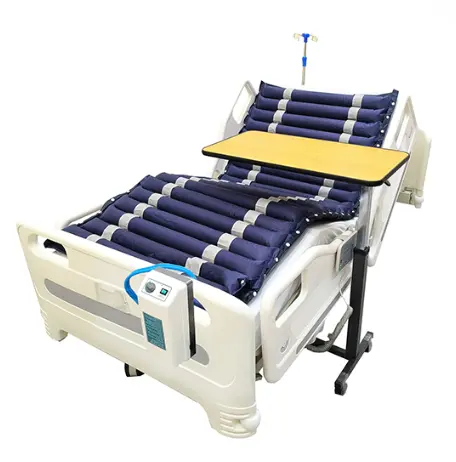
Comfort also depends on the mattress. A mattress that is too hard may cause discomfort. A mattress that is too soft may not provide enough support. Hospitals should select a mattress that suits the patient’s needs and is compatible with the bed frame.
Comparing Manual, Semi-Electric, and Electric Beds
The bed adjustment system affects comfort, ease of use, and purchase cost. Hospitals should compare the available options based on their daily care needs.
A manual hospital bed uses hand cranks to adjust the backrest, leg section, or bed height, depending on the model. It usually has a lower purchase cost and does not depend on an electric motor for adjustment. However, staff need to operate the cranks, which can take more time and effort.
A semi-electric hospital bed uses electric controls for some adjustments and manual controls for others. It offers a balance between convenience and cost. This type may suit facilities that want easier patient positioning without choosing a fully electric model.
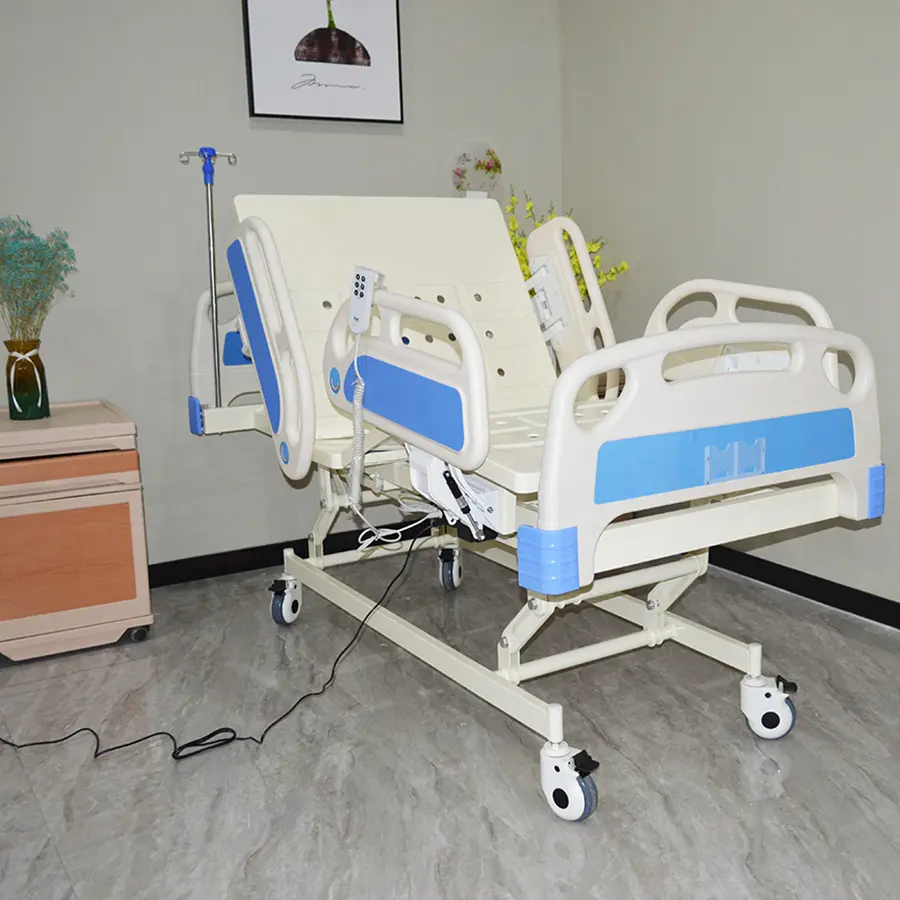
A fully electric Surgical Bed uses a control panel or hand remote to adjust the available functions. Patients or caregivers can change the bed position with less physical effort. This can be useful in busy wards and long-term care settings.
The best choice is not always the model with the most functions. Hospitals should consider patient needs, staff workload, maintenance support, and total purchase cost.
Mattress Support and Pressure Relief
The mattress is one of the most important parts of patient comfort. It supports the body and affects how easily patients can rest or change position.
A standard hospital mattress may be suitable for patients who need general care and have a low risk of pressure injuries. Patients who spend long periods in bed may need a pressure-relief hospital bed mattress selected by the healthcare team.
Buyers should check the mattress size, thickness, surface, and cleaning requirements. The mattress should fit the bed frame correctly. A poor fit can leave gaps near the side rails and increase the risk of a patient becoming trapped.
The mattress should also work safely with the bed’s adjustable sections. Some mattresses may shift or bend differently as the bed moves. Hospitals should confirm that the mattress is approved for use with the selected bed model.
For easier cleaning, many healthcare facilities prefer mattress covers that resist moisture and allow routine disinfection. The exact material should match the facility’s cleaning procedures.
Adjustable Height and Patient Positioning
Adjustable height is useful for both patients and caregivers. A 3 function electric hospital bed can be lowered to help some patients get in or out more easily. It can also be raised to a suitable working height for nursing tasks.
The correct height depends on the patient’s mobility and the care being provided. A low position may help reduce injury if a patient falls out of bed, but it does not remove every fall risk. Staff still need to assess the patient and follow the hospital’s safety procedures.
The backrest and leg section are also important. These sections allow the patient to sit up or rest in a more comfortable position. Electric adjustment can make position changes easier, especially for patients who cannot move independently.
For hospital buyers, it is useful to compare the adjustment range, movement stability, control layout, and noise level. The bed should move smoothly and stop as expected. Controls should be easy for staff to understand.
Side Rails: Support Without Unnecessary Restriction
Side rails are common features on a Surgical Bed. They may provide a handhold for some patients and help reduce the risk of rolling out of bed in suitable situations. Some rails also hold bed controls within reach.
However, side rails do not guarantee safety. A patient may become trapped between a rail and the mattress, or may try to climb over a raised rail and fall from a greater height. The right use depends on the patient’s condition and mobility.
Hospitals should check that rails lock securely and move smoothly. The spaces around the rails and mattress should also be reviewed. The bed, mattress, and rails need to be compatible.
Care teams should assess whether rails are appropriate for each patient. Other options, such as a low bed, closer observation, or suitable mobility aids, may be more appropriate in some cases. Follow the manufacturer’s instructions and the facility’s patient safety policy.
Wheels, Brakes, and Frame Stability
A hospital bed must remain stable during patient care. Its wheels should move smoothly during transport and lock securely when the bed is in use.
A reliable brake system helps prevent unwanted movement during transfers and routine care. Staff should be able to apply and release the brakes without unnecessary effort. Before moving a patient, caregivers should follow the bed’s operating instructions and local safety procedures.
The frame also matters. A strong frame supports regular use in busy healthcare environments. Buyers should review the bed’s stated safe working load, frame material, joints, and finish. The selected bed must be suitable for the intended patient group.
It is also helpful to check the casters for noise, wear, and ease of cleaning. A bed that is difficult to move may increase staff effort during transfers and room changes.
For hospitals buying multiple units, consistent product quality and search a reliable hospital bed manufacturer is especially important. Request product specifications and inspection details before confirming a large order.
Comparing Comfort and Safety Features
The following table provides a simple comparison of common bed features. Actual functions depend on the model and its configuration.
|
Feature |
Comfort Benefit |
Safety or Care Benefit |
|---|---|---|
|
Adjustable backrest |
Supports sitting and resting |
Helps staff position patients |
|
Adjustable leg section |
Offers more resting positions |
Supports planned patient positioning |
|
Adjustable bed height |
Makes getting in and out easier for some patients |
Helps staff set a suitable working height |
|
Suitable mattress |
Improves body support |
Correct fit helps reduce gaps |
|
Side rails |
May provide a handhold |
Can reduce some fall risks when properly assessed |
|
Lockable wheels |
Supports stable positioning |
Helps prevent unwanted bed movement |
|
Electric controls |
Allows easier adjustments |
Reduces the need for manual cranking |
|
Easy-clean surfaces |
Supports a cleaner care environment |
Helps routine cleaning procedures |
No single feature can replace good patient assessment and regular care. Hospitals should evaluate the complete bed system rather than judging a bed by one feature alone.
Easy Cleaning and Routine Maintenance
A Surgical Bed is used many times each day. Its surface and structure should support regular cleaning. Smooth surfaces and easy-to-reach areas can help staff clean the bed more efficiently.
Buyers should ask which cleaning products are suitable for the bed’s materials. They should also check how the mattress cover can be cleaned and whether key parts can be inspected without complex steps.
Routine maintenance is another important point. Electric beds may need checks of the motors, controls, cables, and moving parts. Manual beds need checks of the cranks and adjustment mechanisms. Wheels, brakes, rails, and frame connections should also be inspected according to the manufacturer’s guidance.
A supplier should provide clear operating instructions, maintenance information, and access to replacement parts. These details can help hospitals plan for long-term use and reduce avoidable downtime.
What Should Buyers Check Before Purchasing?
Before choosing a Surgical Bed, buyers should match the product to the care setting. A general ward may need a different configuration from an intensive care unit or a long-term care facility.
Hospitals and distributors should confirm the required functions, safe working load, mattress compatibility, side rail design, brake system, and available power options. They should also review product documents, warranty terms, spare parts, and delivery arrangements.
For bulk orders, request a clear quotation that lists the bed configuration and included accessories. Check whether the quoted price includes the mattress, IV pole, delivery, or other items. Comparing quotations on the same basis makes supplier evaluation easier.
Grace Medy is a hospital bed supplier offering different bed configurations for healthcare facilities and medical equipment distributors. Buyers can review the product range and discuss specifications according to their project needs.
Conclusion
Comparing comfort and safety features helps hospitals choose a Surgical Bed that suits patients and staff. Mattress support, adjustable positions, bed height, side rails, wheels, brakes, and easy cleaning all deserve attention.
The right model depends on the care setting and the patient’s needs. A higher number of functions does not automatically mean a better choice. Buyers should compare the full configuration, confirm mattress and rail compatibility, and review maintenance support before ordering.
For hospitals, importers, and medical equipment distributors, working with a reliable hospital bed supplier can also help simplify product selection, bulk purchasing, and after-sales support.
Frequently Asked Questions
Is a Surgical Bed the same as an operating table?
No. In this article, Surgical Bed means a hospital bed used for patient rest, care, and recovery. An operating table is designed for surgical procedures.
Which bed is better for patient comfort: manual or electric?
Both can provide a suitable sleeping surface. An electric bed offers easier position adjustment, while a manual bed may be more economical. The choice depends on patient needs and the available budget.
Are side rails always necessary?
No. Side rails should be selected according to the patient’s needs and the care team’s assessment. They can offer support in some situations, but incorrect use may create additional risks.
What should buyers check first?
Start with the intended use, patient group, mattress compatibility, adjustment functions, safe working load, wheel brakes, and available service support. Then compare the price and delivery terms.