
Market Research On The Future Of Operating Room Light Innovation
Introduction: How Operating Room Lighting Is Changing
Operating room lighting is becoming more advanced as hospitals upgrade their surgical equipment. In the past, buyers mainly looked at brightness and price. Today, they also consider light quality, energy use, maintenance, and ease of control. These needs are changing the market for surgical operating room lights.
LED technology is now a leading choice for new operating rooms. Compared with traditional halogen lights, LED systems usually use less energy, produce less unwanted radiant heat, and last longer. New designs also offer adjustable color temperature, improved shadow control, and optional camera systems.
The future of operating room light innovation will focus on three main goals: helping surgeons see clearly, making daily work easier, and reducing long-term operating costs. Hospitals, medical equipment distributors, and importers should understand these changes before choosing new products or planning future purchases.
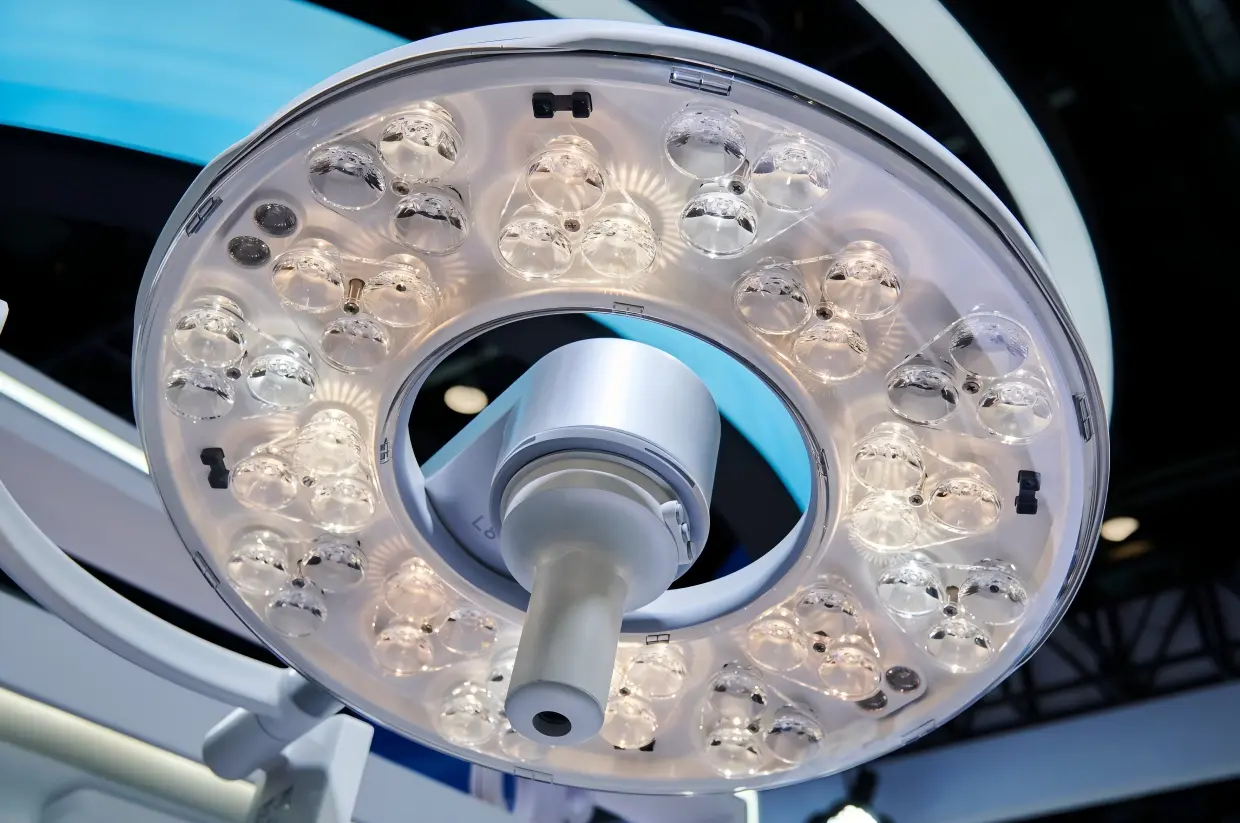
LED Technology Will Remain the Main Market Trend
LED technology is one of the most important developments in surgical lighting. Hospitals are replacing older halogen systems because LED lights offer a longer service life and more flexible lighting control. This change is also encouraging manufacturers to improve their products instead of competing on brightness alone.
A modern LED surgical light can provide strong illumination while limiting unwanted heat around the surgical field. Many models also allow users to adjust brightness and color temperature. These features help medical teams adapt the light to different procedures.
The table below outlines the main differences buyers should consider.
|
Feature |
LED Surgical Lights |
Halogen Surgical Lights |
|---|---|---|
|
Energy use |
Usually lower |
Usually higher |
|
Light source life |
Often tens of thousands of hours |
Usually much shorter |
|
Heat output |
Generally lower radiant heat |
Generally higher radiant heat |
|
Lighting control |
Often includes dimming and color adjustment |
Usually offers fewer options |
|
Maintenance |
Fewer routine bulb changes |
More frequent bulb replacement |
|
Long-term value |
Often attractive for frequent use |
May have a lower initial cost |
Actual performance depends on the product design and test conditions. Buyers should compare verified specifications rather than rely on general claims.
Over the next few years, LED development will focus on better light distribution, reliable electronic controls, and easier maintenance. Manufacturers will also need to provide clear product documentation and dependable after-sales support. For hospitals, these factors can be just as important as the initial purchase price.
Smart Shadow Control and Adjustable Color Temperature
Clear visibility is essential in the operating room. The surgeon’s head, hands, and instruments can block light and create shadows. A good shadowless surgical light uses several light sources arranged to direct light toward the same area from different angles. If one beam is blocked, other beams can still illuminate the surgical field.
Future designs will continue to improve this process. Better LED placement and optical design can help maintain even lighting as the surgical team changes position. Some advanced systems may also use sensors to respond to changes in the light field. These features need to be tested under realistic conditions, as not every product offers the same level of shadow control.
Color temperature adjustment is another useful development. It changes the appearance of light from warmer to cooler tones. This gives surgeons more choice over the lighting conditions during different procedures. Color rendering is also important because the team needs to see tissue colors clearly.
When evaluating medical surgical lights, buyers should review the color rendering index (CRI), available color temperature range, brightness settings, and illumination depth. A high CRI can support accurate color appearance, but it should not be the only measure used to judge quality.
The best design is not necessarily the one with the most controls. The controls should be easy to understand, work reliably, and allow the surgical team to make adjustments without interrupting the procedure. Future innovation will need to balance new functions with simple daily operation.
Camera Integration and Digital Operating Rooms
Another important trend is the connection between surgical lighting and digital equipment. Some modern lightheads can include an HD camera, with images displayed on a medical monitor or sent to a recording system. This can support surgical teaching, team discussion, and remote consultation, depending on the hospital’s setup.
As hospitals invest in digital operating rooms, demand for camera-ready lighting systems may increase. Buyers may look for better image quality, stable video transmission, and convenient control of both lighting and imaging. However, a camera is not necessary for every operating room. Its value depends on the procedures performed, the hospital’s training needs, and the equipment already in use.
LED surgical lights with HD cameras and medical monitors combine illumination with video functions in one system. This type of design can reduce the need for separate equipment in some installations. Before purchasing, hospitals should confirm camera resolution, display compatibility, connection options, and the availability of technical support.
Wireless technology may also become more common. It can reduce some cable-related installation challenges and offer greater flexibility in selected setups. Yet wireless systems need reliable connections and suitable data protection. Hospitals should check how video is transmitted, where it is stored, and whether the system works with existing equipment.
Digital features will add value only if they meet a real clinical or operational need. A clear upgrade plan helps hospitals avoid paying for functions that staff rarely use.

Mobile Surgical Lights and Flexible Operating Room Design
Hospitals do not all have the same space or budget. Large surgical departments may need ceiling-mounted lights for regular, high-volume procedures. Smaller hospitals, outpatient surgery centers, and facilities upgrading older rooms may prefer more flexible equipment.
A mobile surgical light can be moved between suitable treatment areas and may be useful as a backup light. It can also help facilities that cannot easily install a ceiling-mounted system. Buyers should check the wheel design, stability, movement, battery operation if included, and the light’s suitability for the intended clinical use.
Ceiling-mounted systems still have important advantages. They keep floor space clear and can support a wider working area. They are often a practical choice for operating rooms that require frequent use and carefully planned equipment positions. Installation, however, may require ceiling reinforcement, electrical work, and coordination with other equipment.
The future will not depend on one design replacing all others. Instead, manufacturers will need to offer different configurations for different settings. Hospitals should consider room size, ceiling height, operating table position, equipment movement, and expected daily use before choosing a system.
For distributors and importers, flexible product ranges can also help meet the needs of different customers. A clear understanding of the local market makes it easier to recommend suitable products rather than offering the same configuration to every buyer.
Safety, Maintenance, and Total Cost of Ownership
Innovation must support safety and reliable operation. A surgical light should provide suitable illumination, show tissue colors clearly, remain stable during adjustment, and be easy to clean. The housing and handles should suit the cleaning and disinfection procedures used by the hospital.
Buyers should also review relevant safety and regulatory documents for their market. For example, IEC 60601-2-41 is a key standard covering the basic safety and essential performance of surgical luminaires and luminaires for diagnosis. Requirements may vary by product type and destination market, so purchasing teams should confirm the applicable version and evidence of compliance with the supplier.
Maintenance is another important part of the decision. A long LED life can reduce routine light-source replacement, but other parts may still need service. Suspension arms, control panels, power components, and camera systems should be covered by clear maintenance guidance. Ask suppliers about spare parts, warranty terms, technical support, and expected response times.
Total cost of ownership gives a more complete picture than the purchase price alone. Hospitals should consider installation, electricity use, maintenance, replacement parts, and expected service life. A more expensive system may offer better long-term value if it reduces maintenance and meets the hospital’s needs over many years.
Grace Medy is a surgical lights manufacturer offering LED surgical lighting options for hospitals and medical equipment distributors. Buyers can review the available surgical light product range and confirm model specifications, configuration options, and documentation before requesting a quotation.
The Future Outlook: What Buyers Should Expect
The next stage of operating room light innovation will likely combine dependable LED performance with easier controls, better shadow management, and optional digital features. Sensor-based lighting and predictive maintenance may become more available as the technology develops. However, hospitals should assess these functions based on proven performance, not future promises.
For buyers planning an upgrade, the first step is to identify the needs of the operating room. Consider the types of procedures, daily operating hours, available space, camera requirements, and local safety rules. Then compare products using the same criteria and ask suppliers to demonstrate key functions.
Medical equipment distributors should also watch for changes in customer demand. Some customers will prioritize cost and simple operation. Others may need camera integration, adjustable lighting, or flexible mobile equipment. Suppliers that offer clear specifications, suitable configurations, and reliable after-sales support will be better placed to serve these different needs.
Conclusion
The future of operating room lighting will be shaped by LED technology, better shadow control, adjustable color temperature, digital integration, and flexible equipment design. Safety, ease of cleaning, maintenance, and total cost will remain central to purchasing decisions.
Hospitals should choose equipment that meets their actual clinical needs rather than paying for every new feature. By comparing verified specifications and planning for long-term support, buyers can invest in surgical lighting that delivers dependable performance today and room for future upgrades.
Grace Medy is a surgical light supplier for buyers seeking LED surgical lighting options and configurations for different healthcare settings. Review the product specifications, discuss your operating room requirements, and confirm the available options before making a purchasing decision.