
Why Are Operating Tables So Narrow?
Introduction: Why Operating Tables Have a Narrow Design
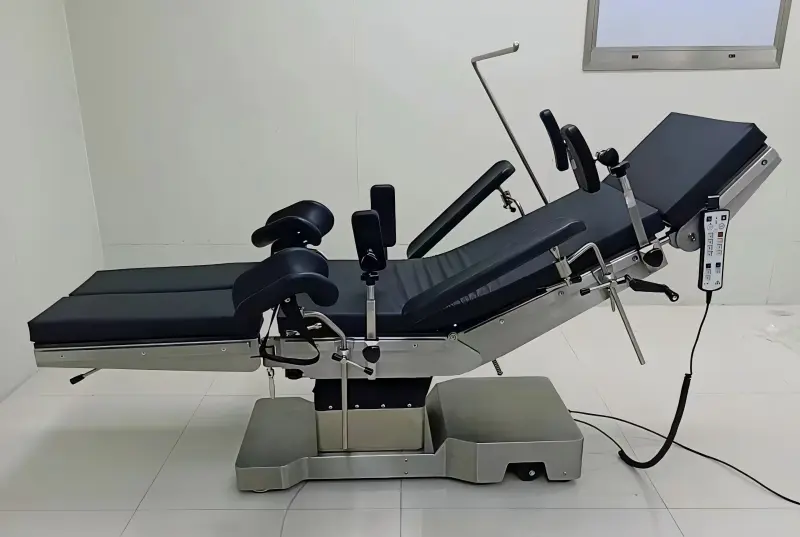
At first glance, an operating table may look too narrow for an adult patient. It is much slimmer than a regular hospital bed, and it offers less space for a patient to turn or move. However, this design is not an accident. An operating table must support the patient and give the surgical team enough room to work safely.
A narrow tabletop helps surgeons stand closer to the patient. It also leaves more space for medical equipment, including C-arm imaging systems. The table must provide stable support, allow different patient positions, and fit the layout of the operating room.
The right width depends on the type of surgery, the patient’s body size, and the equipment used during the procedure. Understanding these factors helps hospitals choose the right operating room table for their needs. It also explains why a wider table is not always the better choice.
A Narrow Table Helps Surgeons Work More Comfortably
One major reason for a narrow operating table is to give surgeons better access to the surgical site. During an operation, doctors often need to stand close to the patient and keep their hands steady. A table that is too wide can push the patient farther away from the surgeon. This may force the surgeon to stretch the arms, raise the shoulders, or lean forward for long periods.
These positions can cause discomfort during long procedures. They may also make it harder to maintain steady hand movements. A suitable table width helps the surgical team work in a more natural position and reach the patient without unnecessary stretching.
The table must also leave room for other members of the team. Nurses, anesthesiologists, and assistants need clear access to the patient. Anesthesiologists often work near the patient’s head, where they manage breathing equipment, monitoring devices, and other essential tools. A narrow table can help preserve this working space.
However, narrow does not mean that the patient should have too little support. The patient’s shoulders, hips, and other body areas must rest securely on the table or suitable support pads. The surgical team must also use appropriate positioning accessories to help prevent unwanted movement and pressure during surgery.
Hospitals choosing an electric operating table should look beyond the tabletop width alone. Height adjustment, backrest movement, side supports, and easy positioning can all affect how comfortably the team works. The goal is to create a setup that supports both the patient and the medical staff.
C-Arm Imaging Needs Enough Space Around the Table
Another important reason is medical imaging. Many operating rooms use a C-arm, a mobile X-ray machine shaped like the letter C. It allows medical staff to view images of the patient’s bones and internal structures during certain procedures. Orthopedic surgery, trauma care, and some spinal procedures often require this type of imaging.
The C-arm moves around the patient to capture images from different angles. A table that is too wide may limit this movement. The machine could have difficulty reaching the correct position, especially for side views or angled images. This can make the procedure less convenient and may require changes to the room setup.
The tabletop material is also important. Some operating tables use carbon fiber or other materials that allow X-rays to pass through more easily. This helps reduce unwanted shadows in the images. Buyers looking for a radiolucent operating table should check the usable imaging area, not just the overall tabletop size.
Some tables also allow the top to slide along its length. This feature helps staff move the patient into the required imaging position without lifting or manually repositioning the patient each time. The amount of movement needed depends on the procedure and the imaging equipment.
Before buying a table, hospitals should confirm that it works with their existing C-arm. They should check the clearance around the table, the range of movement, and the position of accessories. A tabletop may look suitable in a product photo but still limit imaging access in a real operating room.
A Narrow Table Leaves More Room for Operating Room Equipment
An operating room contains much more than a table. It may include surgical lights, anesthesia machines, medical monitors, instrument carts, suction equipment, and mobile imaging systems. Every item needs enough space for safe use and movement.
A wide operating table takes up more room in the center of the operating area. This can reduce the space available for staff and mobile equipment. In a busy operating room, even a small change in table width can affect how easily people move around the patient.
A suitable surgical table helps keep the working area organized. Staff need to reach the patient from the required sides, move equipment into position, and maintain clear routes around the table. The table base also matters. A carefully designed base can provide stable support without blocking too much floor space.
Hospitals should consider the full room layout before selecting a table. Doorways, ceiling-mounted equipment, mobile carts, and the position of the anesthesia team can all affect the final choice. A table that fits one room may not suit another room with different equipment.
A narrow tabletop can also support a more flexible room layout. However, the table should never be chosen based on width alone. Its dimensions, base design, movement range, and compatibility with other equipment must work together.
Narrow Does Not Mean Weak or Unsafe
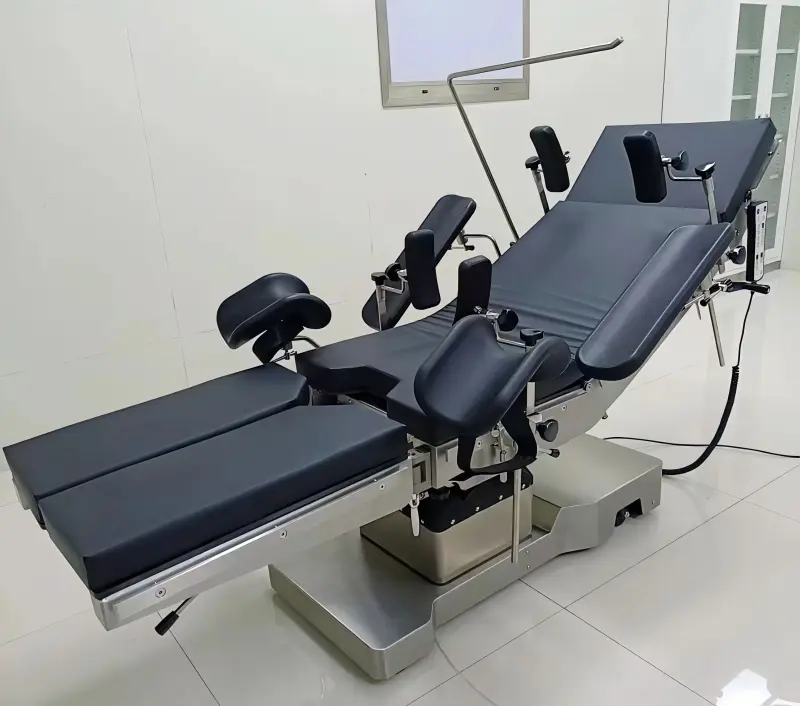
Some buyers may worry that a narrow operating table cannot support a heavy patient safely. In fact, tabletop width and load capacity are different design factors. A well-designed table can have a relatively narrow surface and still provide strong, stable support. Its safety depends on the complete structure, including the base, column, support frame, locking system, and moving parts.
The safe working load is especially important. It tells buyers the maximum patient load the manufacturer specifies for the table under stated conditions. The permitted load may also depend on the table’s position and the accessories being used. Hospitals should read the product documentation carefully instead of judging strength by appearance.
A table must also remain stable as its height and angle change. The base needs to support the patient without unwanted movement. Brakes and locking systems must work properly, and the table should be used according to the manufacturer’s instructions.
Patient positioning is another key part of safety. Padding, arm supports, leg supports, and restraints should match the procedure and the patient’s body size. These accessories help distribute pressure and maintain a suitable position. A narrow tabletop must still provide the support needed for the intended patient group.
For hospitals that regularly treat larger patients, a wider or specially designed bariatric table may be more appropriate. Buyers should check the rated load, usable surface width, available extensions, and stability requirements. They should not assume that adding extensions to a standard table will automatically provide the same support as a dedicated bariatric model.
Choosing the Right Width for Different Procedures
There is no single operating table width that suits every department. General surgery often needs a balance between patient support, surgeon access, and room clearance. Orthopedic and trauma procedures may require radiolucent surfaces and enough space for imaging equipment. Gynecological procedures may need special leg supports and positioning accessories.
The table’s basic width is only one part of the decision. Buyers should also check the overall width with side rails, pads, and accessories installed. These parts can increase the space the table occupies. The usable imaging area may also be smaller than the full tabletop.
Before selecting a model, hospitals should consider the procedures they perform most often, the range of patient sizes they serve, and the equipment already installed in the operating room. A demonstration can help staff check access, movement, and clearance under realistic conditions.
Grace Medy is an operating tables manufacturer offering table options for different hospital and surgical needs. Buyers can discuss the required table width, load capacity, height range, and imaging needs before choosing a suitable configuration.
Conclusion: The Width Is a Practical Design Choice
Operating tables are narrow for several connected reasons. They help surgeons stand closer to the patient, leave more space for medical staff, and allow imaging equipment to move around the table. Their design also helps hospitals manage limited operating room space.
Still, narrowness is not the only goal. The table must provide enough patient support, carry the required load, remain stable, and work with the equipment used during surgery. A wider model may be the right choice for certain patients or procedures.
For hospital buyers, the best approach is to compare the full specifications and check how each model fits the intended operating room. Grace Medy is an operating table supplier that buyers can contact to discuss suitable configurations for their facility. Choosing the right width means finding the right balance between access, safety, patient support, and daily workflow.