
Average Price Of A Standard Manual Wheelchair: What Should You Pay?
Buying a wheelchair often starts with one simple question: How much does a standard manual wheelchair cost?
The answer is usually between $100 and $500, but most buyers looking for a reliable everyday chair will spend around $250–$450. The final price depends on the frame material, seat size, weight capacity, comfort features, and how often the wheelchair will be used.
For short-term use, a basic steel wheelchair may be enough. For daily use, a lighter frame and better seating can be worth the extra cost.
This guide explains the average price of a standard manual wheelchair, what you get at different price levels, and which features are worth paying for.
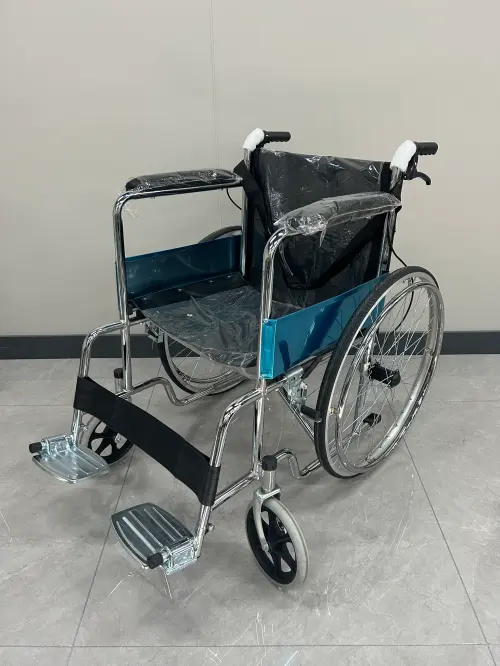
What Is the Average Price of a Standard Manual Wheelchair?
The average price of a standard manual wheelchair is around $250–$450 for many common models. The wider market starts at about $100 and can reach $500 or more.
A basic chair at the lower end usually has a steel frame, fixed armrests, simple footrests, and limited adjustment. These models are often used for short-term recovery, hospital transport, or occasional use.
A mid-range chair usually costs $250–$500. It may have better padding, removable or adjustable footrests, a folding frame, and improved wheel design. This price range is common for people who need a wheelchair for regular home or outdoor use.
Prices above $500 often move into lightweight or heavy-duty models. These chairs may use aluminum frames, offer higher weight capacity, or provide more adjustment options.
For most buyers searching for a standard manual wheelchair, a budget of $300–$450 is a practical starting point.
Manual Wheelchair Price by Budget
The price of a wheelchair is closely linked to how it will be used. Paying less can work well for occasional use. Daily users may benefit from spending more on comfort and easier handling.
$100–$250: Basic Manual Wheelchairs
The entry-level range usually includes basic steel-frame wheelchairs.
These chairs are designed for simple transportation. They are often heavier than more expensive models, but they can still provide a useful and affordable solution.
A basic manual wheelchair can work well after surgery, during short-term rehabilitation, or as a backup chair. It can also be useful for hospitals and care facilities that need several chairs for occasional patient transport.
The main trade-off is comfort and weight. A heavier frame can be harder for a caregiver to lift into a car. Fixed footrests and armrests also offer fewer adjustment options.
If the wheelchair will only be used for a short period, spending $150–$250 may be reasonable.
$250–$500: The Mainstream Price Range
For many buyers, $250–$500 is the most useful price range.
A chair in this range usually offers a better balance between price, comfort, and durability. Some models use aluminum or improved steel frames. Folding designs are common, so the chair can be stored or transported more easily.
You may also find removable footrests, padded seats, better back support, and smoother wheels.
For daily home use, regular trips, or facility transport, these features can make a noticeable difference.
A buyer does not always need a premium wheelchair. A well-built standard model around $350–$450 can provide the features needed for many everyday situations.
$500–$800: Lightweight and More Adjustable Models
Once the price reaches $500, the wheelchair market starts to overlap with lightweight manual wheelchairs.
These models often focus on lower weight, easier transport, and better adjustment. Aluminum frames are common. Some models also offer quick-release wheels or more flexible seating options.
The higher price can be useful for someone who moves the wheelchair in and out of a vehicle often. It can also help people who spend several hours in the chair every day.
For buyers who need a simple wheelchair for occasional use, this price level may not be necessary.
What Makes a Manual Wheelchair More Expensive?
Two wheelchairs may look similar but have very different prices. The difference often comes from the materials and features used in the chair.
Frame material is one of the biggest factors. Steel frames are usually less expensive but heavier. Aluminum frames cost more but can reduce the overall weight.
Seat and backrest design also affects the price. Better padding and stronger support can improve comfort during longer periods of use.
Adjustable parts can add to the cost. Removable footrests, adjustable armrests, and other flexible components give users more control over the chair.
Weight capacity is another important factor. Standard manual wheelchairs often support around 250–300 pounds. Heavy-duty or bariatric models cost more because they need stronger frames and components.
Wheel quality also matters. Larger rear wheels and better tires can make the chair easier to move over common outdoor surfaces.
For buyers, the key is to pay for features that match real needs rather than choosing a chair simply because it has more features.
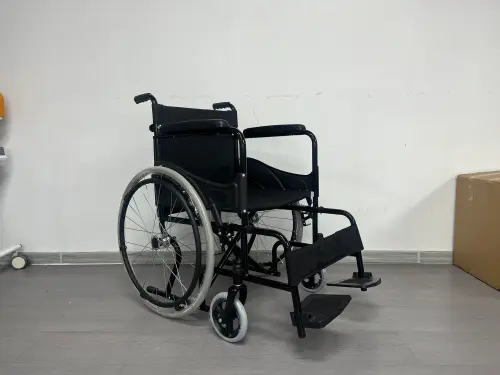
How Much Should You Spend on a Manual Wheelchair?
Your budget should start with how often the chair will be used.
For occasional use, a $100–$300 wheelchair may be enough. This includes short-term recovery, occasional outings, and backup use.
For daily use, a budget of $300–$500 gives buyers more choices. Look for a suitable seat width, good support, removable footrests, and a frame that is easy enough to handle.
For users who need a lighter chair or spend many hours in the wheelchair, $500–$800 may provide more suitable options.
The most expensive wheelchair is not automatically the right choice. A simple chair can be a better fit if the user’s needs are basic.
How to Choose the Right Standard Manual Wheelchair
Price is only one part of the decision. Size and daily use are just as important.
Start with wheelchair seat width. An 18-inch seat fits many adults, but it should not be selected without checking the user’s actual body size. A seat that is too narrow can be uncomfortable. A seat that is too wide can make the chair harder to control.
Next, check the weight capacity. Many standard chairs support 250–300 pounds. Users who need more support should look at reinforced or heavy-duty models.
Door width is another simple check. Many standard manual wheelchairs are around 24–27 inches wide. Measure narrow doors, bathrooms, and other spaces before buying.
Finally, think about transportation. If the wheelchair needs to go into a car every day, a lighter folding model can save effort.
Standard Manual Wheelchair Cost: What About Accessories?
The base wheelchair price is not always the final cost.
A basic wheelchair may need a better cushion, upgraded footrests, or other useful wheelchair accessories. These additions can add around $50–$150, depending on the product.
A buyer should first choose the correct chair. Accessories should come after the basic fit, weight capacity, and intended use are clear.
Avoid paying extra for features that will not improve everyday use. A simple design with strong basic components can be more useful than a chair filled with unnecessary extras.
Buying From a Manual Wheelchair Supplier
For hospitals, rehabilitation centers, distributors, and other B2B buyers, the price of one wheelchair is only part of the purchasing decision.
A manual wheelchair supplier should also be able to provide stable product quality, replacement parts, packaging support, and consistent production.
Bulk buyers may also need different seat widths, frame colors, cushions, or other product options. OEM and ODM support can be useful for importers and distributors who sell wheelchairs under their own brands.
Grace Medy is one example of a medical furniture and rehabilitation equipment supplier offering manual wheelchairs for international buyers. For B2B customers, the focus is not only on the unit price but also on product consistency and long-term supply.
How to use a manual wheelchair
Frequently Asked Questions
Is $200 enough for a manual wheelchair?
Yes. A $200 budget can cover a basic standard manual wheelchair. These models are usually more suitable for occasional use, short-term recovery, or patient transport. Daily users may want to spend more for better comfort and easier handling.
What is the average price of a standard manual wheelchair?
A practical average is around $250–$450. The wider market can range from about $100 to $500, depending on the design and features.
Why are some manual wheelchairs so expensive?
Higher prices often come from lighter materials, better seating, adjustable parts, higher weight capacity, and stronger components. Custom wheelchairs can cost much more because they are designed around individual requirements.
Is a lightweight wheelchair worth the extra cost?
It depends on use. If the wheelchair is moved often or placed in a car regularly, lower weight can be very useful. For occasional use, a standard steel wheelchair may provide enough value.
Final Thoughts: What Is a Fair Manual Wheelchair Price?
The average price of a standard manual wheelchair is usually around $250–$450, with basic models starting near $100 and higher-end standard or lightweight models reaching $500–$800.
For short-term use, a basic steel wheelchair can be a practical choice. For everyday use, spending more on comfort, frame weight, seat fit, and adjustable parts may be worthwhile.
Before buying, check four things: your budget, the user’s weight and size, where the chair will be used, and how often it will be transported.
The right wheelchair is not always the cheapest or the most expensive. It is the one that matches the user’s actual needs and provides the right balance of price, comfort, durability, and ease of use.
For distributors, hospitals, and other professional buyers, working with a reliable wheelchair manufacturer or supplier can also help control cost and maintain stable product quality over larger orders.