
Transport Wheelchair Vs Self-Propelled Wheelchair: Which Is Right for You?
Choosing the right wheelchair is a critical decision for distributors, importers, and healthcare equipment buyers. Whether you’re sourcing products for hospitals, rehabilitation centers, or retail markets, understanding the differences between a transport wheelchair vs self-propelled wheelchair is essential for making the right investment.
This guide will break down the key differences, use cases, advantages, and purchasing considerations to help you select the most suitable option for your target market.
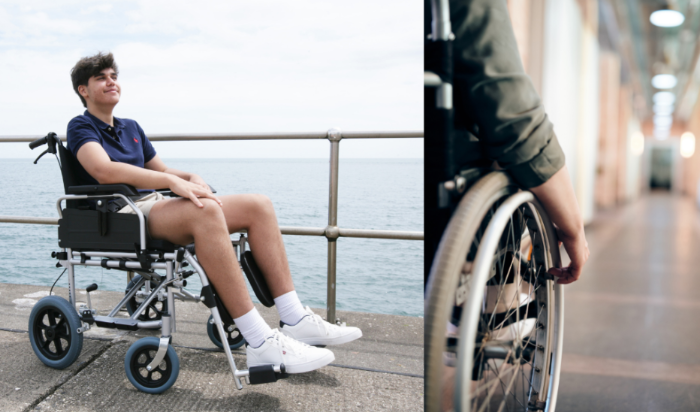
What Is a Transport Wheelchair?
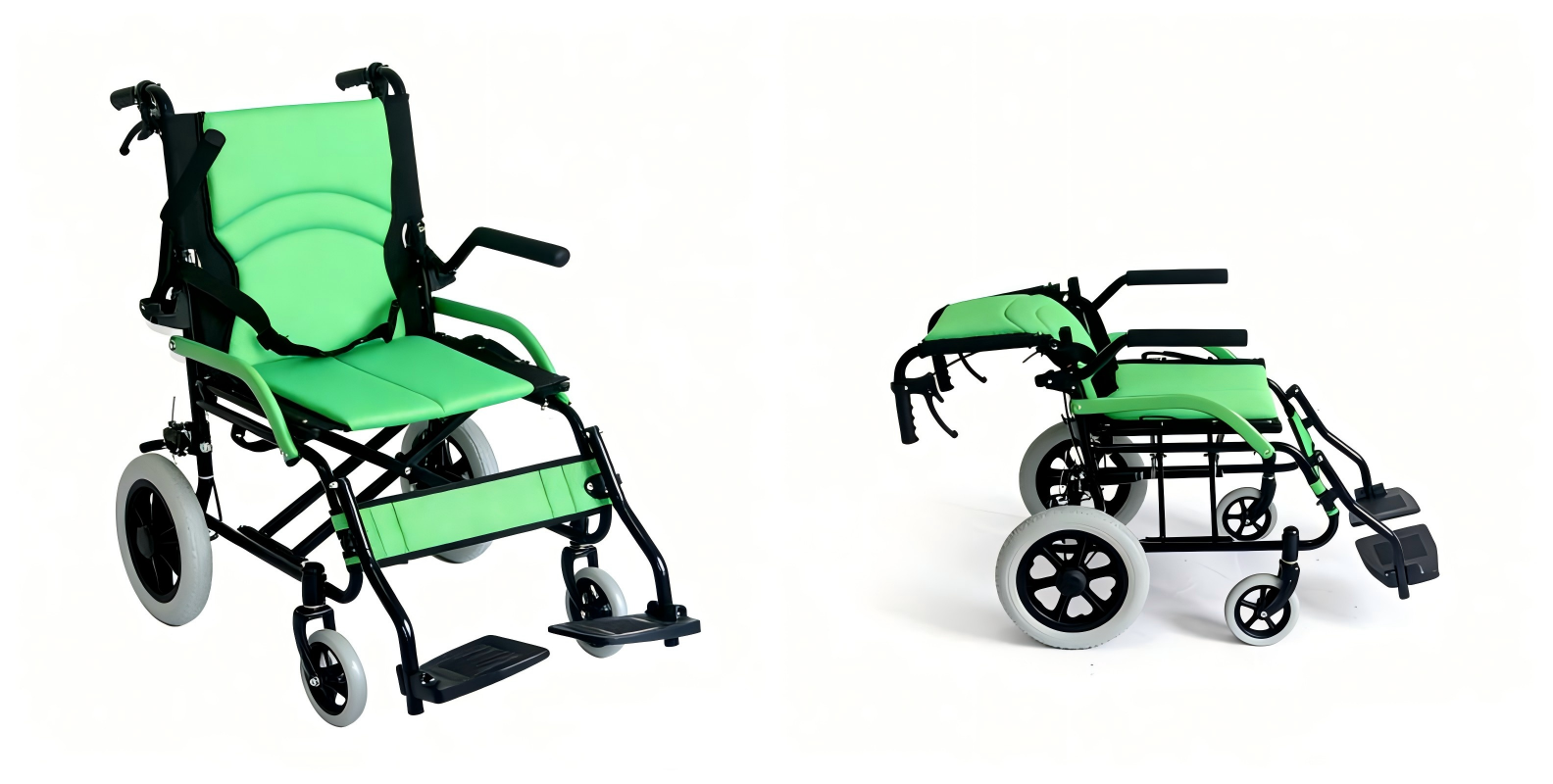
A transport wheelchair is a lightweight mobility device designed to be pushed by a caregiver. It typically features:
Smaller rear wheels (usually 8–12 inches)
Compact and lightweight frame
Foldable design for easy transport
Limited user self-mobility
Key Advantages of Transport Wheelchairs
1. Lightweight and Portable
Transport wheelchairs are ideal for travel, short-term use, and easy storage. Their compact design makes them highly suitable for car transport and airline travel.
2. Cost-Effective Option
For bulk buyers and distributors, transport wheelchairs are generally more affordable, making them attractive for price-sensitive markets.
3. Ideal for Assisted Mobility
These chairs are perfect for hospitals, airports, and elderly care facilities where caregivers are always available.
Limitations
Not suitable for independent users
Limited outdoor performance
Less comfortable for long-term use
What Is a Self-Propelled Wheelchair?
A self-propelled wheelchair is designed for independent use. It features large rear wheels (typically 20–24 inches) that allow users to move themselves without assistance.
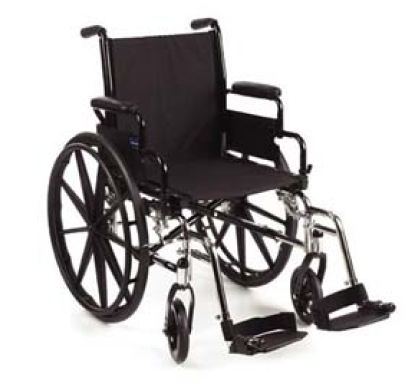
Key Advantages of Self-Propelled Wheelchairs
1. User Independence
The main advantage is mobility autonomy. Users can navigate both indoor and outdoor environments without relying on caregivers.
2. Better Terrain Handling
Large wheels make it easier to move over uneven surfaces such as ramps, pavements, and outdoor terrain.
3. Customization Options
Self-propelled wheelchairs often offer adjustable seat widths, cushions, armrests, and footrests—ideal for long-term users.
Limitations
Heavier than transport wheelchairs
Higher cost
Bulkier for travel and storage
Transport Wheelchair Vs Self-Propelled Wheelchair: Key Differences
|
Feature |
Transport Wheelchair |
Self-Propelled Wheelchair |
|---|---|---|
|
Wheel Size |
Small rear wheels |
Large rear wheels |
|
Mobility |
Requires caregiver |
Independent use |
|
Weight |
Lightweight |
Heavier |
|
Portability |
High |
Moderate |
|
Cost |
Lower |
Higher |
|
Use Case |
Short-term, assisted use |
Long-term, independent mobility |
Understanding these differences is crucial when evaluating transport wheelchair vs self-propelled wheelchair options for your product portfolio.
Which Wheelchair Is Best for Your Market?
1. For Hospitals and Medical Facilities
Transport wheelchairs are often the preferred choice due to:
High patient turnover
Need for caregiver-assisted movement
Budget constraints
They are ideal for short-distance patient transfers within facilities.
2. For Rehabilitation Centers
Self-propelled wheelchairs are more suitable because:
Patients require mobility training
Long-term usage is common
Independence is a rehabilitation goal
3. For Retail and Distribution Markets
A balanced product portfolio is recommended:
Transport wheelchairs for elderly users and travel needs
Self-propelled wheelchairs for active users and long-term care
Offering both types allows distributors to cover a wider customer base.
Key Factors Buyers Should Consider
When choosing between a transport wheelchair vs self-propelled wheelchair, professional buyers should evaluate the following:
1. Target End-User
Elderly with caregivers → Transport wheelchair
Active users → Self-propelled wheelchair
2. Usage Environment
Indoor, short distances → Transport
Outdoor, daily mobility → Self-propelled
3. Budget and Market Positioning
Entry-level market → Transport wheelchairs
Mid-to-high-end market → Self-propelled wheelchairs
4. Logistics and Shipping
Transport wheelchairs are easier to ship in bulk due to their compact size and lighter weight, reducing overall freight costs.
5. Customization & OEM Potential
For importers and brand owners, self-propelled wheelchairs often offer more customization options, including:
Frame material (steel, aluminum)
Cushion upgrades
Branding and packaging
Market Trends and Opportunities
The global wheelchair market continues to grow due to aging populations and increasing demand for mobility solutions. Key trends include:
Rising demand for lightweight and foldable designs
Increased focus on user comfort and ergonomics
Growing interest in customized and OEM wheelchair solutions
For B2B buyers, understanding the demand for both transport wheelchair vs self-propelled wheelchair categories can help optimize inventory and maximize profit margins.
How to Choose the Right Supplier
Selecting the right manufacturer is just as important as choosing the right product. Look for suppliers that offer:
Consistent quality control
International certifications (ISO, CE, FDA)
OEM/ODM capabilities
Reliable lead times and logistics support
Long-term after-sales service
A dependable supplier can help you scale your business and maintain product consistency across markets.
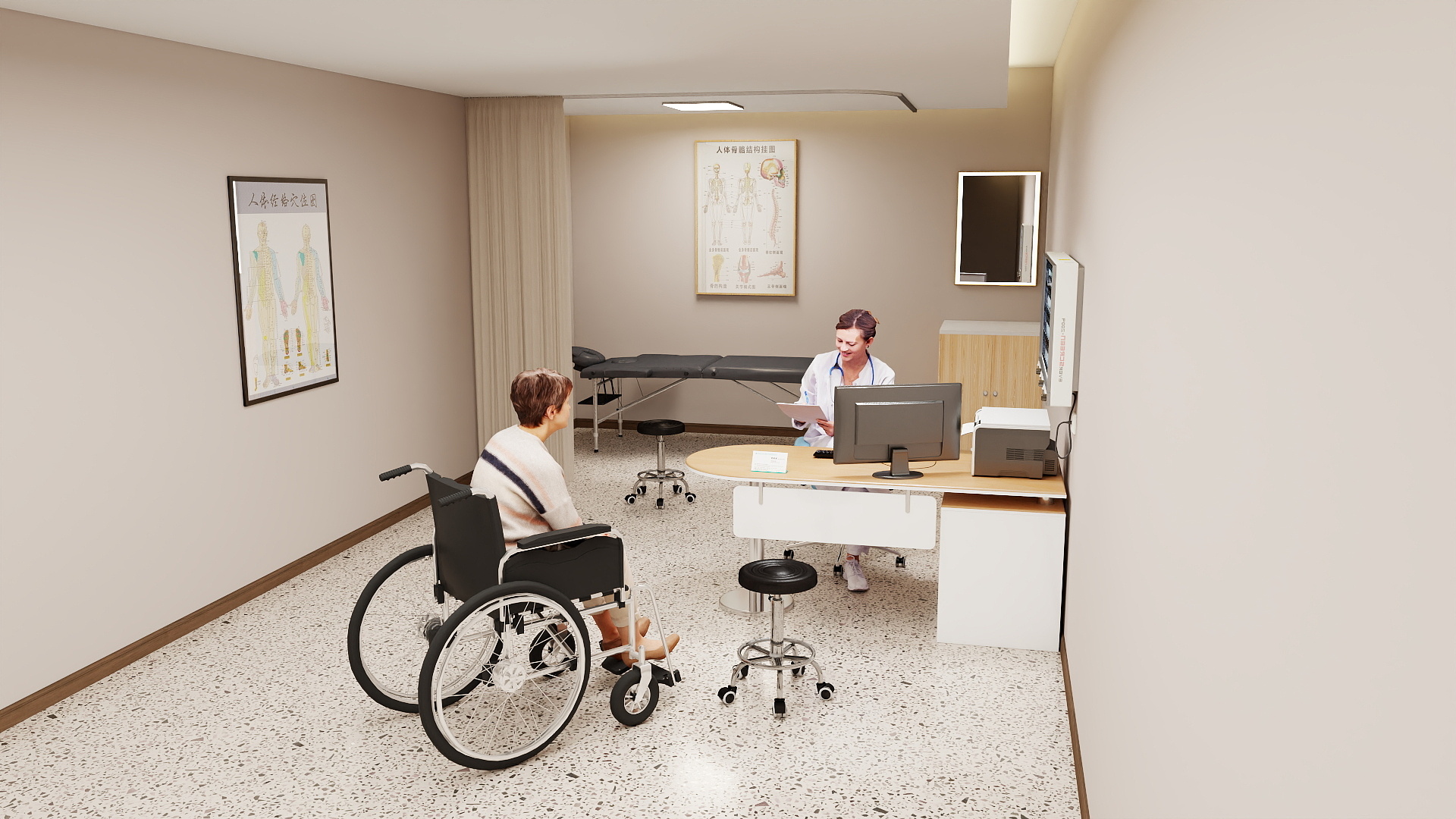
Some suppliers not only offer a variety of wheelchairs but also provide complementary furnishings. For instance, Grace Medy Group offers a “one-stop solution” for clinics, equipping examination rooms with products such as wheelchairs, nurses’ stools, examination beds, and privacy screens—thereby saving valuable procurement time.
After-Sales Service and Long-Term Value
For international buyers, after-sales service is a critical factor when evaluating transport wheelchair vs self-propelled wheelchair options. Reliable suppliers should provide spare parts availability, maintenance guidance, and responsive customer support. This is especially important for self-propelled wheelchairs, which have more complex components and are used for longer periods. Transport wheelchairs, while simpler, still benefit from durable construction and replaceable parts to extend product lifespan. Offering strong after-sales support can enhances customer satisfaction and strengthens your brand reputation and encourages repeat business in competitive global markets.
Final Thoughts
When comparing a transport wheelchair vs self-propelled wheelchair, there is no one-size-fits-all solution. Each type serves a distinct purpose and caters to different user needs.
Choose transport wheelchairs for affordability, portability, and assisted use
Choose self-propelled wheelchairs for independence, durability, and long-term mobility
For distributors, wholesalers, and importers, the best strategy is to offer both options to meet diverse market demands. By aligning your product selection with your customers’ needs, you can strengthen your competitive edge and grow your business in the global mobility market.
If you’re looking to expand your wheelchair product line, understanding the core differences between transport wheelchair vs self-propelled wheelchair is the first step toward making smarter sourcing decisions.