
Comparing Surgical Operation Table Hydraulic Vs Electric Systems
Choosing between a hydraulic and an electric surgical operation table is an important decision for hospitals, clinics, and medical equipment distributors. The drive system affects how the table moves, how easily staff can adjust patient positions, and what maintenance the hospital may need over time.
Both systems can support surgical procedures, but they work in different ways. Hydraulic tables use fluid pressure to create movement. Electric tables use motors and control systems to adjust the table’s position. Some models combine both technologies.
This guide compares hydraulic, electric, and electro-hydraulic surgical tables in simple terms. It explains their main benefits, limitations, maintenance needs, and common uses. These points can help buyers select a table that fits their operating room and budget.
What Is a Hydraulic Surgical Operation Table?
A hydraulic surgical operation table uses fluid pressure to raise, lower, or adjust the tabletop. In a manual hydraulic model, staff operate a foot pump or hand control to move the table. The pump creates pressure inside a hydraulic cylinder, which moves the table into the required position.
The main advantage is that a manual hydraulic table can work without an external power supply for its basic movements. This can be useful in facilities with unstable electricity or in rooms that need a simple backup table.
However, manual adjustment usually takes more time. Staff may need to operate the pump several times to reach the desired height or position. The available movements also depend on the model.
An electro-hydraulic table works differently. An electric motor powers a hydraulic pump, and buttons control the table’s movements. It combines powered adjustment with the force provided by hydraulic cylinders. This type is often considered by hospitals that need both convenient controls and strong support.
Buyers should check the exact configuration rather than relying on the word “hydraulic” alone.
What Is an Electric Surgical Operation Table?
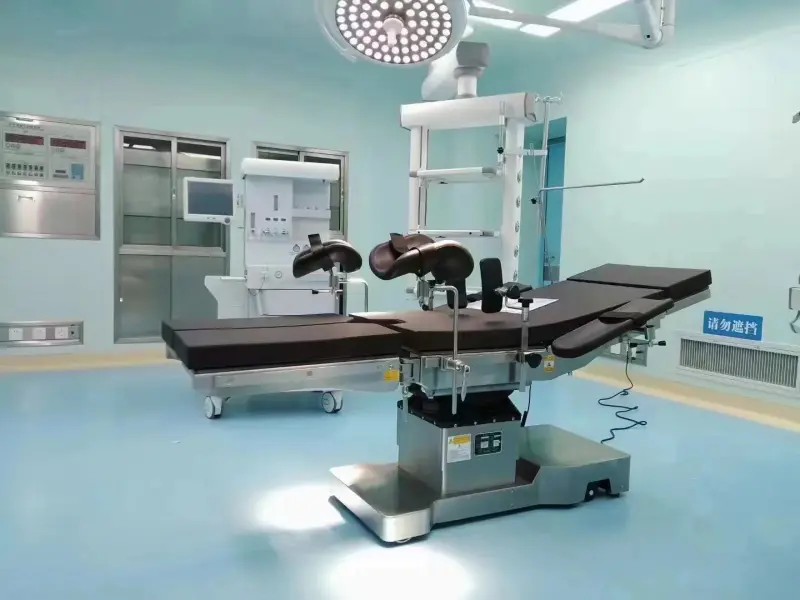
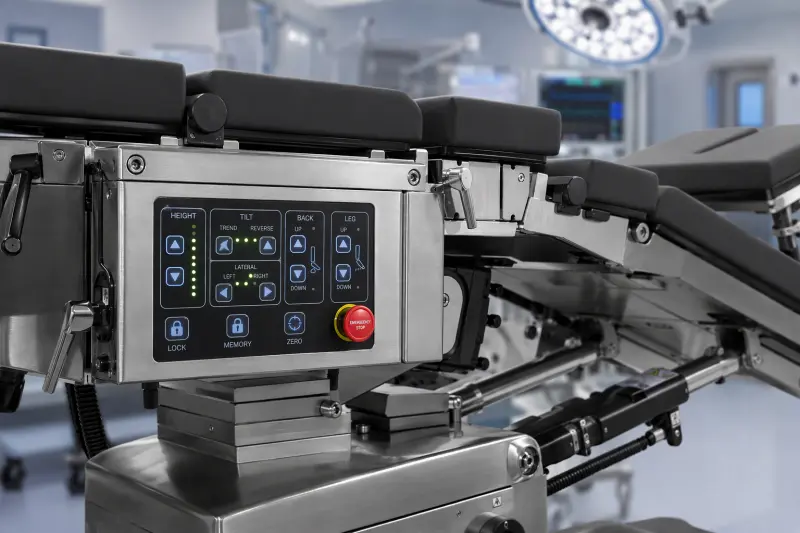
An electric surgical operation table uses electric motors to adjust the tabletop. Depending on the model, staff can raise or lower the table, adjust the back section, tilt the patient, and change the position of the leg sections with a control panel or hand controller.
One major benefit is convenience. Staff can make adjustments without manually pumping the table. This can help during procedures that require repeated position changes.
Some electric surgical tables also offer preset positions. Staff can select a stored position instead of adjusting every movement separately. This feature may help improve workflow in operating rooms that perform similar procedures regularly.
Electric models can also provide smooth and controlled movement. The actual performance depends on the motor system, table design, patient load, and product quality. Buyers should request a demonstration of the exact model before making a decision.
A key point is the power supply. Some electric tables include a battery backup, but not every model has the same backup functions. Ask how long the battery can support the table and which movements remain available during a power failure.
For more product options, add an internal link to Electric Surgical Operation Tables.
Hydraulic Vs Electric Surgical Tables: Main Differences
The best choice depends on how your operating room works. Neither system is the right option for every hospital.
A manual hydraulic table can suit facilities that need basic positioning and want to reduce dependence on external electricity. It may also be suitable for backup rooms with fewer procedures. Its main trade-off is slower manual adjustment.
An electric table is a practical choice for teams that need frequent and convenient positioning changes. Powered controls can save physical effort and help staff adjust the table during a procedure. The hospital must also consider the electrical system, battery options, and electronic components.
An electro-hydraulic table combines electric controls with hydraulic movement. It can offer convenient operation and strong lifting support, depending on its design. However, it still needs hydraulic maintenance and may have more components to inspect.
When comparing quotations, review the full table configuration. Check height adjustment, back section movement, Trendelenburg and reverse Trendelenburg positions, lateral tilt, patient weight rating, and any special functions required by your department.
Do not assume that every model includes all these movements. Confirm each function in the official product specification.
Compare Patient Positioning and Ease of Use
Patient positioning is one of the most important differences between surgical table systems. The table should help the medical team place the patient safely and maintain the required position during the procedure.
Hydraulic tables can provide stable movement, but manual models may need more effort to adjust. This can be acceptable for procedures that require fewer position changes. The team should still confirm that the table offers the required range of movement.
Electric tables are useful for procedures that need regular adjustments. Push-button controls can help staff change the table height, tilt, or back section more easily. Preset positions, if available, may also reduce repeated manual adjustment.
Electro-hydraulic models provide powered controls with hydraulic lifting. Their performance depends on the pump, cylinders, control system, and overall table design.
The operating team should test the controls before purchase. Check whether the movements are smooth, the controls are easy to understand, and the table remains stable under the intended load. Confirm that staff can reach the emergency controls and understand the correct procedure for a power failure.
You can add a relevant internal link here Multi-Function Surgical Operating Tables.
Load Capacity and Table Stability
Load capacity is a key buying factor, especially for hospitals that treat patients with different body sizes or perform procedures that require extra accessories.
A manual hydraulic table, electric table, or electro-hydraulic table may have different weight limits. The drive system alone does not determine how much weight the table can safely support. The frame, base, lifting column, tabletop, and other parts all affect the final rating.
Ask the manufacturer to confirm the rated patient weight for the exact model. Also check whether the rating changes during certain movements or when accessories are attached. A table’s maximum static load should not automatically be treated as its safe working load for every position.
Stability is equally important. Inspect the base, locking system, tabletop support, and movement under load. If the table will be used for orthopedic or other demanding procedures, confirm that the model is suitable for those applications.
For additional options, add Heavy-Duty Surgical Operation Tables and Orthopedic Surgical Tables.
Maintenance and Long-Term Costs
The purchase price is only one part of the total cost. Hospitals should also consider maintenance, spare parts, staff training, and possible downtime.
Manual hydraulic tables need regular checks of the hydraulic fluid, seals, pump, and moving parts. Leaks or low fluid levels can affect movement. The maintenance team should follow the manufacturer’s service instructions and replace worn parts as needed.
Electric tables have different maintenance needs. Staff should check the motors, control panel, cables, battery, and mechanical parts. A battery may lose capacity over time, so the hospital should follow the recommended charging and replacement schedule.
Electro-hydraulic tables need checks of both the electrical and hydraulic systems. This can require a maintenance team or service provider with experience in both areas.
The lowest purchase price does not always mean the lowest long-term cost. Ask each supplier about routine service, warranty coverage, spare-part availability, and expected maintenance tasks. Compare these details alongside the quotation.
What Happens During a Power Failure?
Power backup deserves attention before a hospital places an order. The right solution depends on the table’s design and the facility’s emergency procedures.
A manual hydraulic table can provide basic adjustment without external electricity, although the exact functions depend on the model. This can be useful in locations with unreliable power.
An electric table may use a backup battery. However, buyers should not assume that every function remains available during a power failure. Ask which movements the battery supports and how staff can check the remaining charge.
Electro-hydraulic models may also offer battery or emergency functions, depending on their design. Confirm the available options in writing.
Before accepting the table, ask the supplier to explain the emergency procedure. Test the approved backup functions with trained staff, following the manufacturer’s instructions. Do not conduct unsafe power-loss tests with a patient on the table.
How to Choose the Right System for Your Hospital
Start with the procedures your hospital performs most often. A general operating room with frequent position changes may benefit from an electric or electro-hydraulic table. A facility that needs basic functions and has limited access to reliable electricity may consider a manual hydraulic model.
For orthopedic, trauma, or other specialized procedures, focus on the required load rating, tabletop movement, accessory compatibility, and stability. If your team uses imaging equipment, check tabletop compatibility and the access needed for the imaging system.
Next, set a realistic budget. Include the table, accessories, shipping, installation if required, staff training, and future maintenance. Request a quotation that lists each item clearly.
Finally, evaluate the supplier. Ask for the product catalog, model-specific specifications, warranty terms, and relevant compliance documents. Check whether replacement parts and technical support are available in your market.
For buyers comparing Surgical Operation Table Manufacturers, it is useful to ask the same questions of every shortlisted supplier. This makes the quotations easier to compare and helps avoid decisions based on price alone.
Final Checklist Before Ordering
Before placing an order, confirm the table type, patient weight rating, required movements, accessories, and room compatibility. Review the maintenance needs, power backup, warranty, delivery schedule, and spare-part support.
Ask for written confirmation of the specifications and the model being supplied. If possible, arrange a sample inspection, live demonstration, or third-party inspection before a large order. Keep the agreed product details in the purchase contract.
If your project also includes surgical lighting, Grace Medy is a surgical light supplier that buyers can contact to discuss lighting options separately from their surgical table requirements.
Conclusion
Hydraulic and electric surgical operation tables serve different needs. Manual hydraulic models offer basic operation with less dependence on external electricity. Electric tables provide convenient powered positioning. Electro-hydraulic tables combine powered controls with hydraulic lifting.
The right choice depends on the procedures performed, required patient positioning, load capacity, maintenance resources, and budget. Compare the full specifications and test the exact model before making a decision.
A careful buying process helps hospitals select a surgical table that fits their operating room, supports daily work, and offers reliable service over time.